
CAF scraps four-year AFCON plan as Kenya, Uganda and Tanzania 2027 tournament stays on course
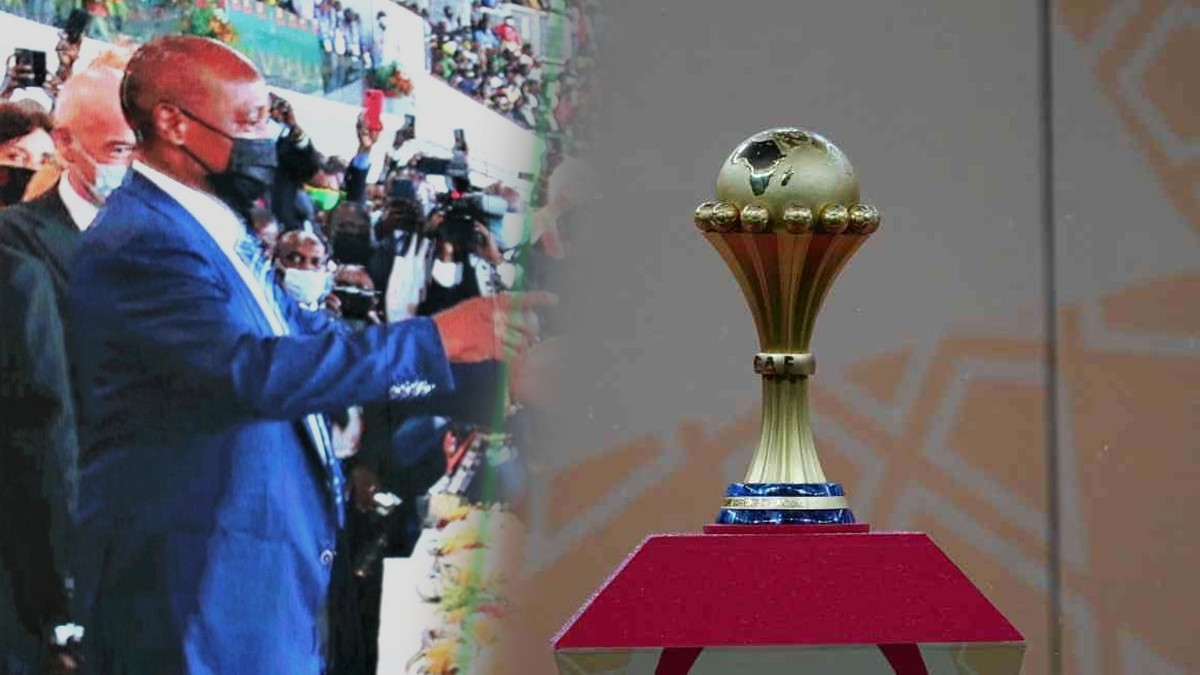
The Confederation of African Football (CAF) has made a dramatic U-turn on the future of the Africa Cup of Nations, unanimously agreeing to keep the continent's flagship tournament on a two-year cycle less than a year after announcing it would move to every four years.
The decision by the CAF Executive Committee, announced on Thursday, means the 2027 finals jointly hosted by Kenya, Uganda and Tanzania will go ahead as planned, followed by another edition in 2028 and then tournaments in 2031 and 2033.
Nations League plan shelved
CAF had unveiled the four-year arrangement in December 2025. Under that plan, AFCON would have been played in 2027 and 2028 before a new Africa Nations League took over as the continent's regular national-team competition from 2029, bringing all 54 member nations together in regional groups with a final round to crown a winner.
The idea was sold as a way of raising new revenue and easing long-running friction with European clubs, who must release African players in the middle of their seasons.
But CAF president Patrice Motsepe said the confederation had become worried about how long the proposed league would take to generate money.
In a statement, CAF said its leadership had "unanimously decided" that the tournament "will return to taking place every two years." Motsepe said CAF was "concerned by the several years required" before the Nations League could make the financial and football development contributions needed for African football to be globally competitive and self-supporting.
He said the decision was in the best interest of African football, CAF's 54 member associations and African players employed by clubs outside the continent.
Why there is no AFCON in 2029 or 2030
The new calendar leaves a three-year gap between the 2028 and 2031 editions. Motsepe explained that, under FIFA tradition, confederation finals may not take place in a World Cup year, ruling out 2030.
The return to a two-year cycle is likely to revive complaints from European clubs, which regularly lose key players for several weeks during the tournament.
What it means for Kenya
For Kenya, the decision confirms that the country's biggest football hosting assignment remains firmly on the calendar. The East African co-hosts are racing to complete stadium works ahead of the 2027 tournament, and construction and upgrades have left Kenyan Premier League clubs short of venues this season.
The newly built Talanta Stadium in Nairobi, recently renamed the Raila Odinga International Stadium, is expected to be one of the main venues.
Harambee Stars, meanwhile, continue their build-up under coach Benni McCarthy with an upcoming qualifying double-header against South Africa's Bafana Bafana.
A two-year cycle also gives Kenyan fans and players the prospect of a second continental finals soon after the home tournament, with qualifiers for the 2028 edition expected to follow closely.
Photos: The Standard; Franco237 / Wikimedia Commons (CC BY-SA 4.0). Thumbnail design: HAMASTA MEDIA.


Grow an audience that listens.
Social media management, digital campaigns and online storytelling that converts.



More in Sports
See all
FIFA warns FKF over rising number of football disputes in Kenyan courts, hints at disciplinary action

Heartbreak for Madina Okot as Valkyries beat Atlanta Dream 68-63 in historic WNBA Finals Game 7

Kipchumba smashes Istanbul Marathon course record by a minute as Ronoh completes Kenyan double on the podium

'So shameful': Kipruto, Obiri react to Jepchirchir EPO case as MPs push tougher law on doping enablers
Odongo rallies fans as Kenya Lionesses chase continental crown and SVNS pathway at Africa Women's Sevens in Nairobi

Global Community Remarks
0