
Record 1,048,355 candidates start KCSE written papers as Ogamba warns impersonators and KNEC tightens centre rules

A record 1,048,355 candidates began the written papers of the 2026 Kenya Certificate of Secondary Education (KCSE) examination on Monday, 2 November. It is the first time more than one million candidates have registered for the exam in a single year.
Candidates sat English Paper 1 (Functional Skills) from 8am to 10am and Chemistry Paper 1 in the afternoon. They are sitting the papers in more than 10,000 examination centres across the country, and the exams end on Friday, 20 November.
Registration is up 5.27 per cent from the 995,860 candidates who sat the exam in 2025, and well above the 965,172 recorded in 2024. This is the second-last cohort under the 8-4-4 system. The last KCSE class under the old curriculum will sit the exam in 2027 as Kenya completes its move to Competency-Based Education.
Ogamba in Nyamira, Ololtuaa in Nairobi
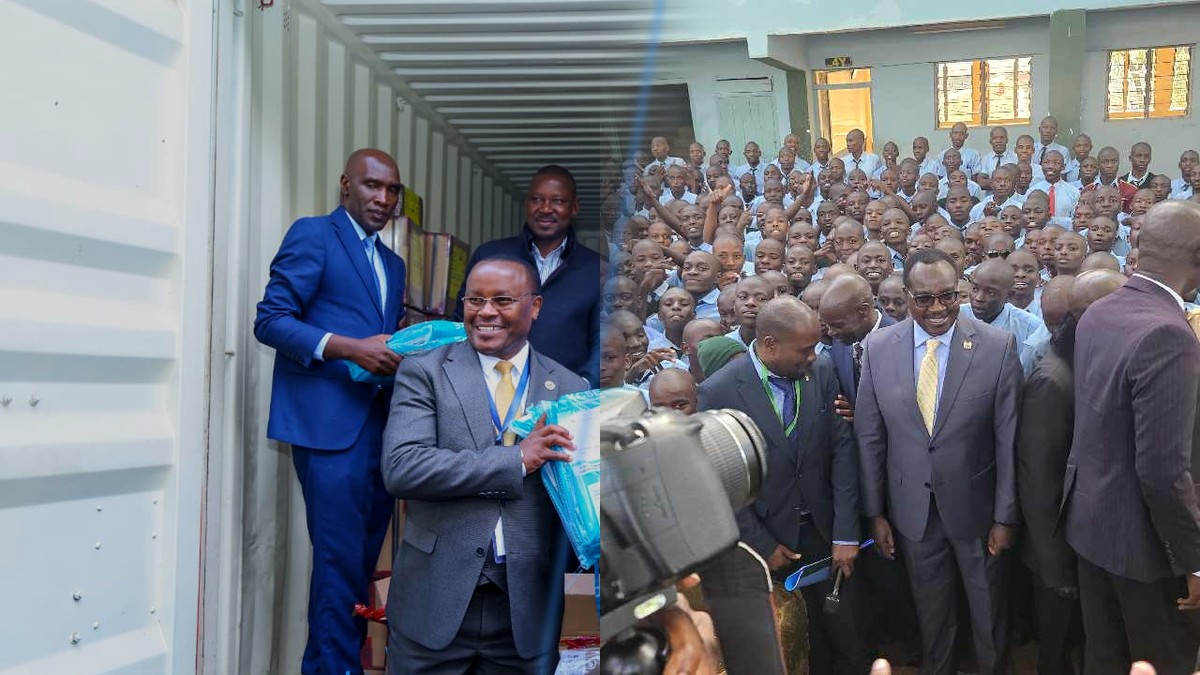
Education Cabinet Secretary Julius Ogamba opened the day's papers at the Borabu Deputy County Commissioner's office in Nyamira County. He oversaw the opening of the examination container and the release of papers, then visited candidates at St Kizito Nyansiongo Boys' High School.
Ogamba said the government, through the Kenya National Examinations Council (KNEC) and its partners, had tightened exam security and reduced the risk of leakage. He warned that "examination malpractice remains a concern, particularly through impersonation". He also named collusion and the use of unauthorised materials.
The CS said officials were prepared for disruptions from the El Niño rains expected until the end of the year. He said any problem at a centre would be dealt with quickly under KNEC's arrangements.
In Nairobi, Basic Education Principal Secretary John Ololtuaa released papers at the Makadara Deputy County Commissioner's office. He urged centre managers to stay alert and to follow the guidelines to the letter.
New rules at the centres
KNEC Chief Executive David Njengere sent fresh directives to centre managers and field officers on 1 November, ahead of the large-candidature papers. They include:
- Examination containers must be opened at exactly 7am.
- Mobile phones are barred for examination personnel inside centres.
- Wristwatches have been added to the list of banned items, and centres must provide wall clocks for timekeeping.
- Authorised personnel must carry their original national identity cards.
Helicopters and security in the regions
In Mandera, KNEC has provided two helicopters to deliver and monitor exam materials in areas hit by insecurity and heavy rain. The county has 8,745 candidates.
In Moyale, candidates from two schools near the Ethiopian border were moved to a safer centre on Monday after stray bullets from fighting across the border hit one of the schools.
The government had warned parents, teachers and candidates over the weekend against fraudsters who claim to sell leaked papers, saying law enforcement agencies were already on the trail of those behind such schemes.
Photos: KBC (PS Ololtuaa at Makadara DCC offices); Radio47 (CS Ogamba at St Kizito Nyansiongo Boys High School). Thumbnail design: HAMASTA MEDIA.
Every moment, captured beautifully.
Events, corporate portraits, products and editorial shoots by our newsroom photographers.





More in Education
See all
'Quality over numbers': Kaimenyi installed as Management University of Africa chancellor, tells universities to tighten admissions and embrace AI

Medical cover, old arrears and who pays: What the Sh20bn lecturers' deal leaves unresolved as dons return to class
Acting VCs to be replaced with substantive heads by June 2027, PS Inyangala tells MPs as committee faults leadership vacuum in universities
No interest for students under 18: Mukurweini MP Kaguchia proposes changes to tertiary funding Bill as debate over loans-only model grows
Former JKUAT student loses fight for degree as court finds he was deregistered in 2018 with failed units and pending exams
Cash-strapped public universities ask State to negotiate KRA waiver on penalties as unremitted deductions hit Sh33.3bn
Global Community Remarks
0