
Court of Appeal Clarifies Stance on Abortion Rights

In a landmark ruling, the Court of Appeal has declared that abortion is not a fundamental right under the constitution. Instead, the court emphasized that the procedure is only permissible under specific, strictly defined legal circumstances.
This decision brings much-needed clarity to the ongoing debate regarding reproductive healthcare and the law. Here are the key takeaways from the ruling:
- No Absolute Right: The court ruled that abortion does not fall under the category of "fundamental rights," allowing the state to maintain strict regulations on the practice.
- Permissible Exceptions: While generally restricted, the procedure remains legal in cases where a qualified medical professional deems it necessary for emergency treatment or when the life and health of the mother are in danger.
- Focus on Regulation: The ruling underscores that any medical intervention must adhere to the highest professional standards and stay strictly within the bounds of existing statutes.
Why This Matters
For healthcare providers and the public, this decision sets a clear boundary. It balances the protection of life with the necessity of emergency medical care, ensuring that reproductive health services are governed by law rather than individual discretion.
As the legal landscape continues to evolve, this ruling will serve as a primary reference point for future policies and judicial decisions across the country.
What are your thoughts on this ruling?
Let’s engage in the comments.


Grow an audience that listens.
Social media management, digital campaigns and online storytelling that converts.



More in Health
See all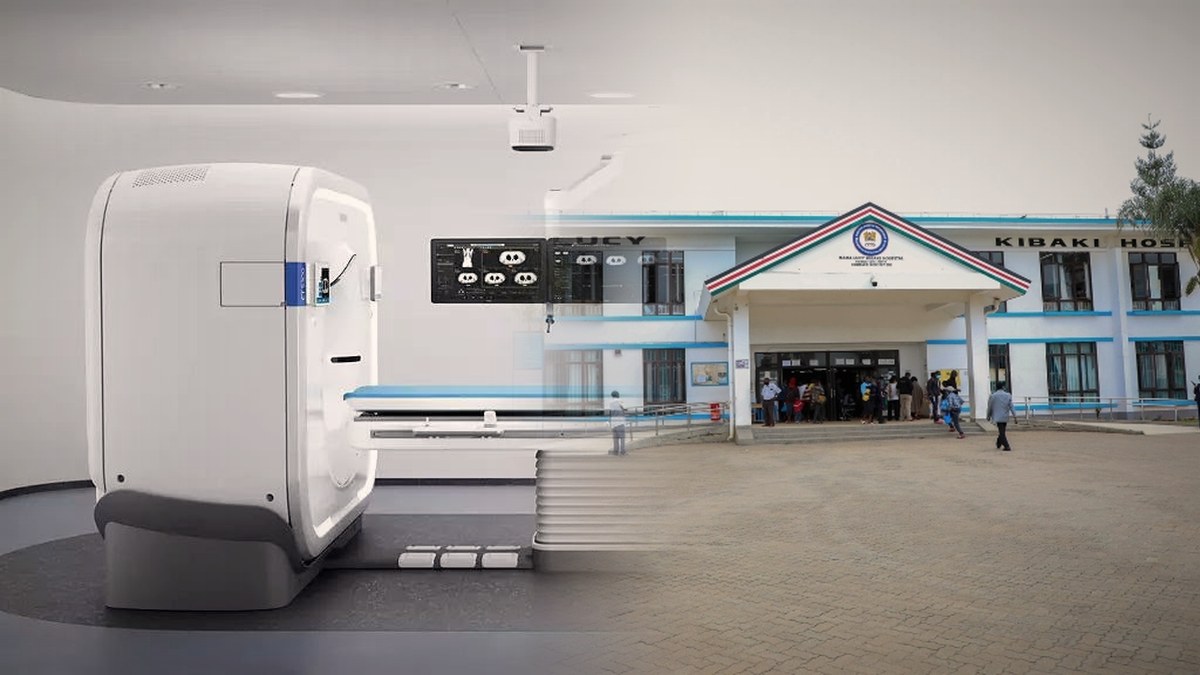
Mama Lucy Kibaki Hospital to commission advanced 160-slice CT scanner

First Ebola contacts to leave quarantine on Sunday after 21 days, Amoth says

Public health officers' strike passes 90 days as students warn of nationwide protests

PS Oluga rallies government agencies behind coordinated Ebola response as cases reach nine

Kenya confirms ninth Ebola case as 134 of 135 contacts are traced and quarantined

Global Community Remarks
0