
Kenya's biggest microfinance lender Faulu drops payslip loans focus, bets on traders with cash-flow lending and trade finance


Faulu Microfinance Bank, Kenya's largest microfinance lender, is shifting its lending away from salaried workers and towards traders and small businesses, in a bid to close the financing gap that keeps many small enterprises out of formal credit.
The lender, which held a 39.7 per cent share of the microfinance market last year, says it has spent the past two years moving from loans mainly backed by payslips to positioning itself as a "trader's bank".
Cash flow instead of collateral
At the centre of the new approach is what the bank calls a merchant ecosystem, a central portal that pulls together a business's income from paybills, till numbers and cash deposits.
Faulu senior manager for marketing and communications Gloria Kositany said traders often struggle to prove their income because payments arrive through many channels. "A primary pain point for these business owners is consolidating these scattered payments," she said.
With the data in one place, the bank says it can assess a business's ability to repay based on real-time cash flows rather than demanding land title deeds or vehicle logbooks, which many small traders do not have.
Products for importers, schools and landlords
The lender's SME offering now covers asset finance, working capital and trade finance. Under trade finance, a business that wants to import or buy stock but lacks money upfront can borrow against the goods being brought in.
Faulu has also tailored products for specific sectors:
- Schools can repay loans per school term instead of monthly, to match fee collection.
- Property owners can get small top-up loans for repairs through their rental income channels.
- Relationship managers offer mentorship, business visits and financial advice, and aim to restructure loans before customers fall into arrears.
"Understanding a customer's specific needs and operational model is the key to unlocking hidden opportunities," Kositany said.
Narrowing losses
The repositioning comes as the lender works its way back to profitability. Citizen Digital reported earlier this year that Faulu cut its losses by more than 60 per cent in 2025 on the back of tighter cost controls and its move away from riskier loan books towards micro, small and medium enterprises, although it remained in the red.
Faulu operates 24 branches and about 150 agents across the country. Its push into SME lending comes as small businesses continue to cite access to affordable credit as one of their biggest hurdles, amid high interest rates and rising operating costs.
Photos: The Star (Faulu Bank branch, Nairobi); Business Today (Gloria Kositany). Thumbnail design: HAMASTA MEDIA.


Take your event live to thousands.
Multi-camera live streams, panel discussions and digital broadcasts with professional crews.




More in Business
See all
Sh25bn Soin-Koru dam stalls at 8 per cent as Treasury report blames lack of funds, project now eyed for PPP
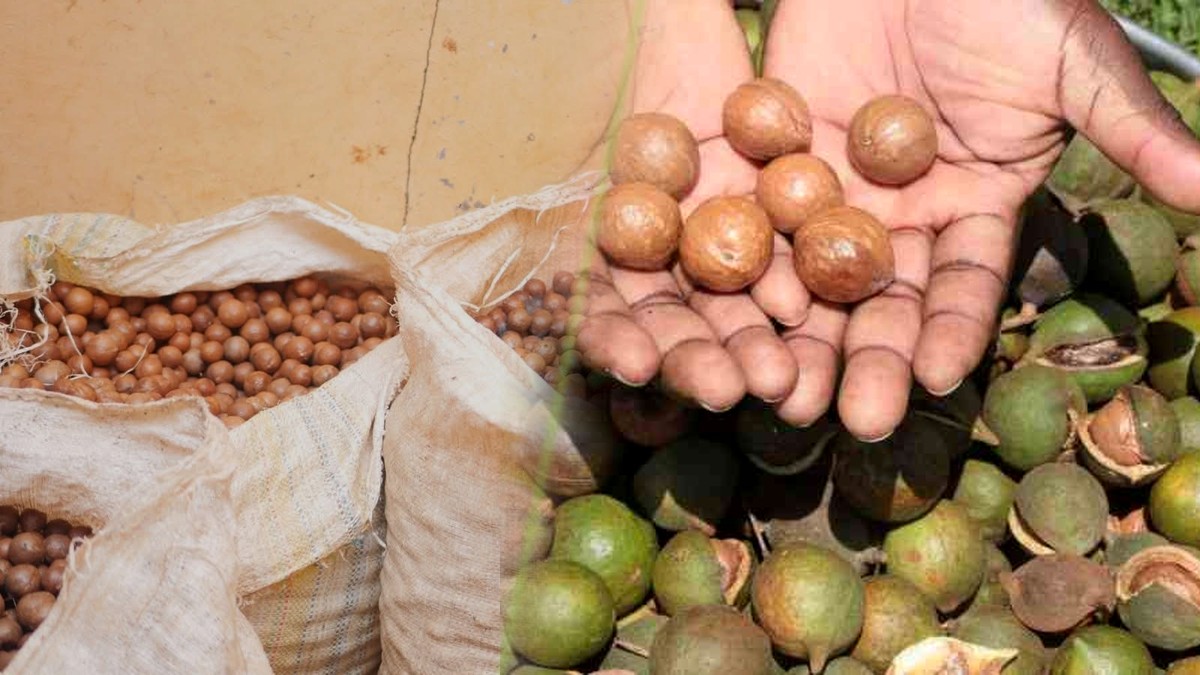
Macadamia farmers count losses as export window shuts with over 30,000 tonnes unsold and only 700 tonnes shipped

Kenya signs Canada jobs deal with Talent Beyond Boundaries to link skilled youth and refugees to overseas work

'They are helping pay the salaries of the officers who harass them': Kamukunji MP tells City Hall to rein in Kanjo in Eastleigh, Gikomba

Cars by train: Kenya Railways launches SGR vehicle freight from Mombasa as dealer plans to move 700 units a month

Strawberry and vanilla ugali? Industry PS Mukwana dares millers to flavour Kenya's staple for export as country plans to import 25 million bags of maize
Global Community Remarks
0