
'Borrow some minds': Mbadi hits back at Gachagua's Sh3.5bn kickback claim, says Rironi-Mau Summit costs more because it grew to eight lanes
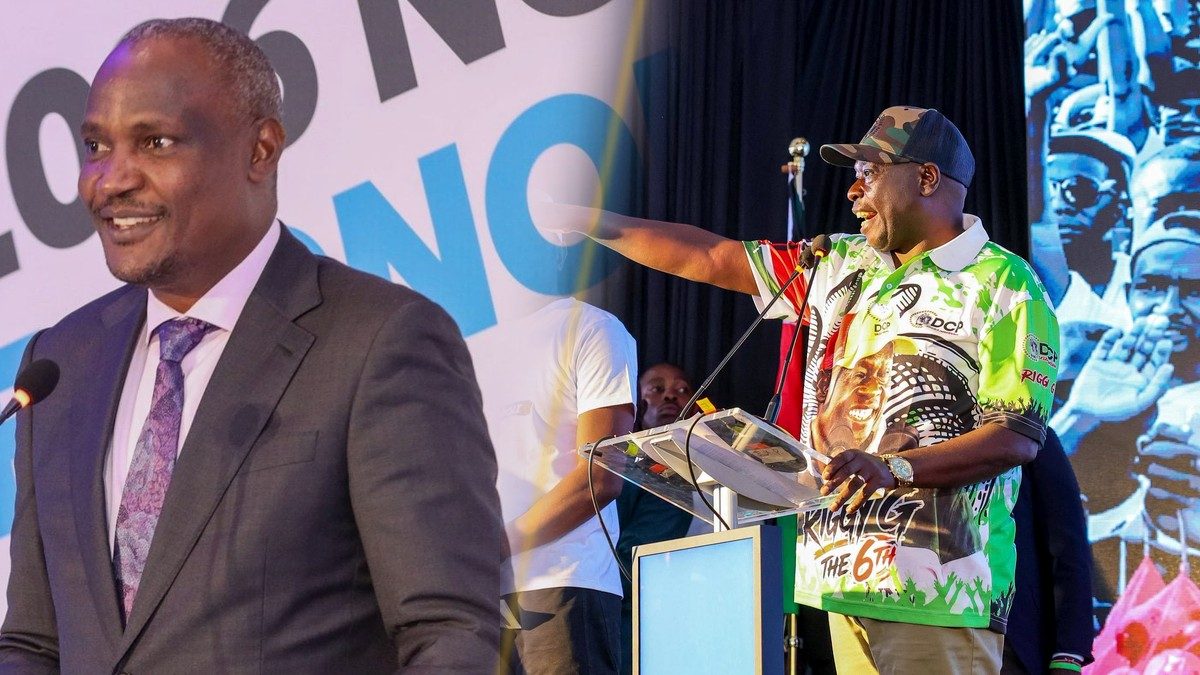
Treasury Cabinet Secretary John Mbadi on Tuesday dismissed claims that the government inflated the cost of the Rironi-Mau Summit highway, days after former Deputy President Rigathi Gachagua accused President William Ruto of pocketing Sh3.5 billion from the cancellation of the original French contract. Speaking at the NCBA Economic Forum in Nairobi, Mr Mbadi said the higher price tag reflected a bigger road, not corruption, and advised critics to "borrow" some expertise before commenting.
"I saw one of the leaders talk about how the government inflated the cost of constructing Rironi-Mau Summit Road. The politician was alleging that the road would have cost between Ksh150 billion and Ksh200 billion before the French firm left," the CS said, as quoted by Kenyans.co.ke. "First, it would be really important to engage some minds before making such comments. If you do not have them, you can borrow, so that they can advise you."
Eight lanes, not six
Mr Mbadi said the design had changed substantially from the plan that was in place under the Vinci-led French consortium, with the Naivasha-Nakuru section now being built as an eight-lane carriageway. He also defended the decision to terminate the French deal, arguing that it transferred significant commercial risk to the taxpayer and that walking away was necessary to protect public finances.
The 233-kilometre project is being delivered in sections under a public-private partnership, with China Road and Bridge Corporation working alongside the National Social Security Fund on the Rironi-Naivasha-Gilgil and Rironi-Mai Mahiu-Naivasha stretches, and Shandong Hi-Speed Road and Bridge International handling Gilgil-Nakuru-Mau Summit. President Ruto launched construction at Kamandura in Kiambu on November 28, 2025.
Gachagua's charge sheet
Mr Gachagua, who has made the highway a centrepiece of his attacks on the administration, told a congregation at PCEA Kamangu in Kikuyu on Sunday that the road was costed at about Sh150 billion under President Uhuru Kenyatta and ballooned to Sh200 billion after the contract moved to Chinese firms. He claimed the Sh7 billion cancellation fee paid to the French consortium was "split halfway", with Sh3.5 billion going to the President, an allegation for which he has not produced evidence.
He also alleged that about Sh30 billion in NSSF pensioners' money had been channelled into the project unlawfully, and that Chinese officials had told him Beijing would not release funds because the road is a "political project" ahead of the 2027 election. "We shall prosecute everyone involved in this scandal once we take power in 2027," he said.
The DCP leader further disputed Roads CS Davis Chirchir's explanation that a bitumen shortage linked to Middle East tensions is behind the delays. Mr Chirchir, who inspected the works on October 31, has pushed the opening of the Rironi-Naivasha section to December after missing an October 30 target, and says more than 1,000 pieces of machinery have been deployed to speed things up.
Why the row matters
The Treasury has previously defended the cancellation of the French deal on the grounds that its fee structure was unaffordable, while documents released in October showed that terminating the new 30-year contracts could expose taxpayers to a maximum of Sh180.73 billion in compensation, a figure the ministry says is a ceiling rather than an expected payment. An Auditor-General's report has also raised questions over the Sh7.31 billion paid to the French consortium.
With Senator Edwin Sifuna separately demanding that all project contracts be published, and the opposition promising to reopen the file if it wins in 2027, the Nairobi-Nakuru corridor is shaping up as one of the defining accountability battles of the campaign.
Photos: John Mbadi (People Daily/X @NCBABankKenya); Rigathi Gachagua (People Daily/Facebook, H.E. Rigathi Gachagua). Thumbnail design: HAMASTA MEDIA.
Every moment, captured beautifully.
Events, corporate portraits, products and editorial shoots by our newsroom photographers.





More in Politics
See all
Kakamega MPs push Oparanya for Ruto's running mate as CS confirms ODM-UDA talks and Kindiki allies dig in
'You don't expect Kalonzo to go to government': Wiper leader takes 'Ukombozi Tour' to Migori and Homa Bay this week
Poghisio dumps KANU for ODM to chase West Pokot governorship, setting up three-way fight with Lonyangapuo and Pkosing
'We are not going to cede any ground': Teso North MP Kaunya and Alego Central MCA dump ODM for Ochieng's MDG as 500 aspirants sign up
'Misguided': Motorists' lobby rejects planned Sh150bn elevated expressway over Thika Superhighway, says fix Pangani instead
Global Community Remarks
0