
OPINION: UDA's exodus is not a crisis of loyalty but a verdict on how the party treated its own base

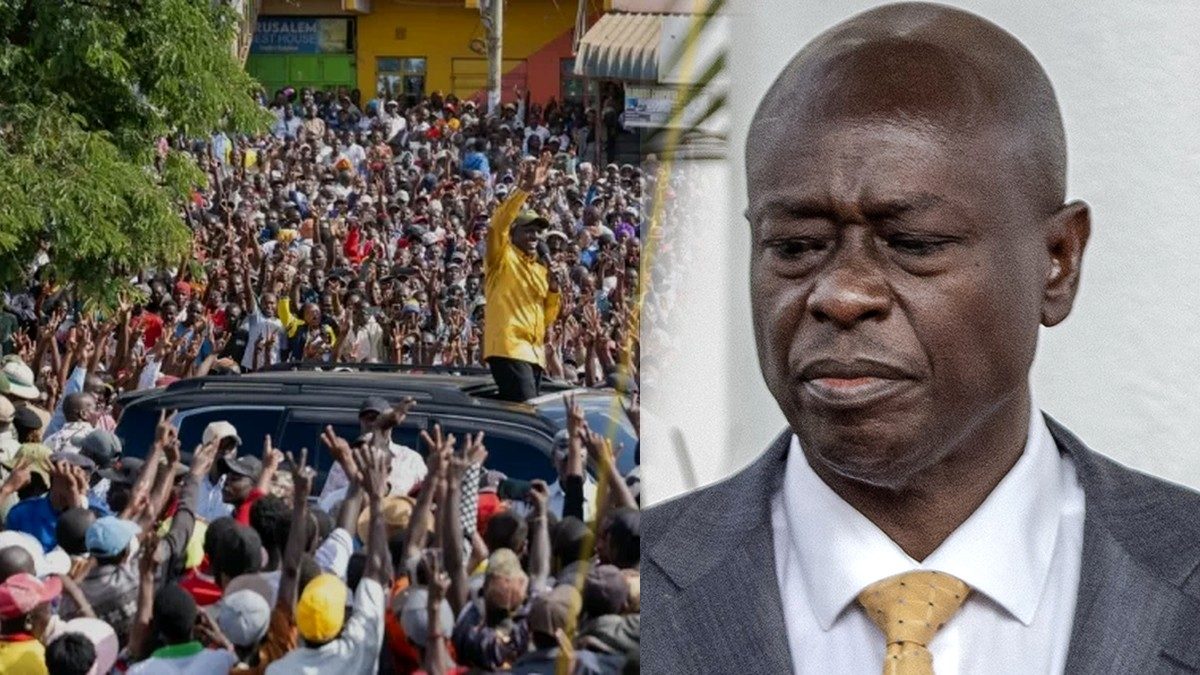
When the governor of the capital city leaves the ruling party a year before an election and insists he still backs the President, something has gone badly wrong with the party, not with the governor.
That is the uncomfortable lesson in Nairobi Governor Johnson Sakaja's move from UDA to ODM this week, which Citizen Digital and the Nation report he made to seek a second term on the Orange ticket. Sakaja is not alone. As The Star listed on Thursday, Kiambu Governor Kimani Wamatangi and Murang'a Governor Irungu Kang'ata have both ruled out defending their seats on UDA, Nyandarua Governor Kiarie Badilisha has joined Rigathi Gachagua's DCP, Nakuru Senator Tabitha Karanja is running on DCP, and MPs Gathoni Wamuchomba, Gabriel Kagombe and Eric Karemba have said they will not seek re-election on the yellow ticket.
A party that won 138 seats now looks like a waiting room
In 2022 UDA won 138 seats in the National Assembly, more than any single party, according to The Star. That should be the foundation of a confident re-election campaign. Instead, the party increasingly looks like a waiting room that politicians pass through on their way to wherever voters are heading.
The party's defenders will say defections are normal. Analyst Maurice Makhanu reminded The Star's readers that TNA and URP lost their shine after 2013 and Jubilee after 2017. That is true, but it is also the problem. Kenyan parties keep dying because they are built as vehicles for one election, not as institutions that listen to members between elections.
Mt Kenya is sending a message, not throwing a tantrum
The clearest warning came in July. In the Ol Kalou by-election, DCP's candidate polled 35,440 votes against UDA's 5,450, figures reported by The Star. A gap that wide is not about candidates. It is a region telling the ruling party that the impeachment of Gachagua in October 2024, and the way it was handled, still rankles, and that the elevation of Kithure Kindiki has not closed the wound.
Wamuchomba, for her part, tied her exit to what she called a lack of respect for other communities by some leaders in the ruling party, according to Citizen Digital. Whether one agrees with her or not, that is a complaint about tone and inclusion, and it is shared by many ordinary voters who never get a microphone.
What UDA should do instead of counting deserters
The instinct at the top will be to replace departing leaders with new partners, and The Star notes that President Ruto is already bringing smaller parties into his coalition. Alliances can win numbers on paper. They cannot rebuild trust on the ground.
- Hold genuine, competitive nominations so that aspirants do not feel they must flee to get a fair ticket.
- Stop treating criticism from within as betrayal; Wamuchomba's complaints were public for more than a year before she left.
- Give the grassroots structures that analyst John Kibuchi describes as UDA's real strength a voice in policy, not just in campaigns.
A ruling party that cannot keep the governor of Nairobi, two Mt Kenya governors and a string of MPs is not facing a loyalty problem. It is facing a listening problem. If UDA fixes that, the defections will slow on their own. If it does not, 2027 will be decided by parties that did.
Photos: The Star/Handout (Ruto at Matuu); Luis Tato / European Union, 2023 (CC BY 4.0) via Wikimedia Commons. Thumbnail design: HAMASTA MEDIA.



Know what people say about you.
Media monitoring, audience insights and strategic communication for your brand.


More in Politics
See all
'I am here to ensure that Baba's journey to Canaan is finished': Kalonzo lands in Kisumu to court Raila's heartland

Debt, jobs and the price of cement: Ndindi Nyoro says Trump's midterm losses are a warning to Ruto ahead of 2027
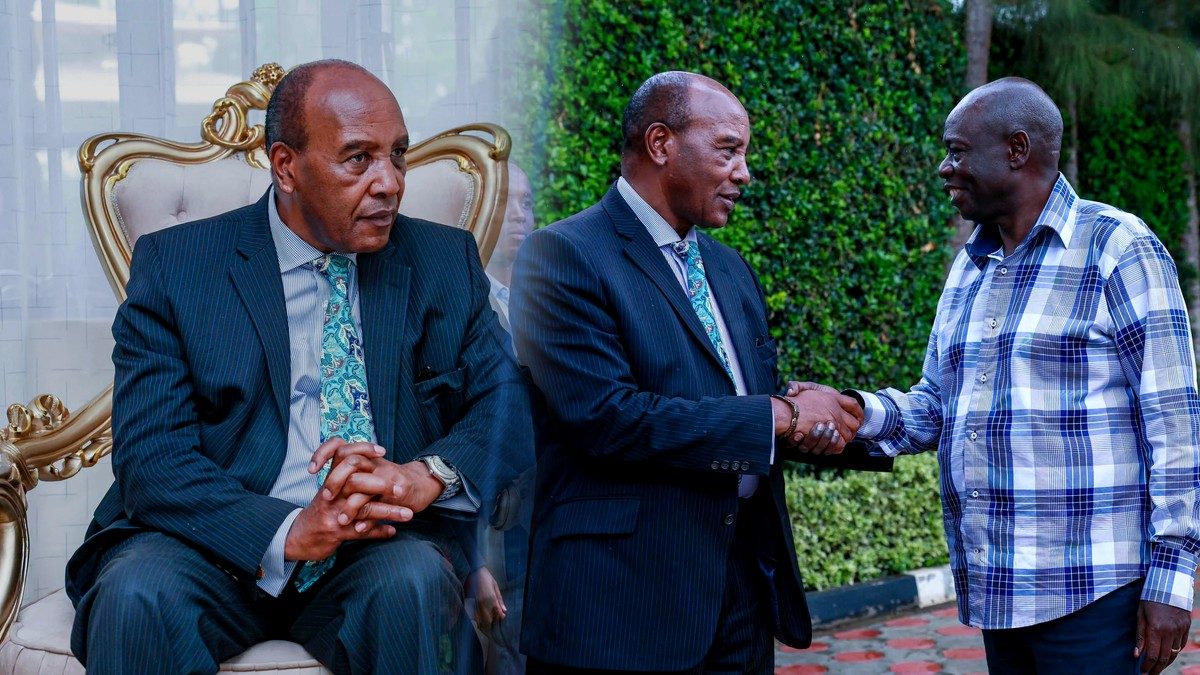
Jubilee founder walks out: Ex-governor Kimemia joins Gachagua's DCP to chase Nyandarua seat as Mt Kenya exodus deepens
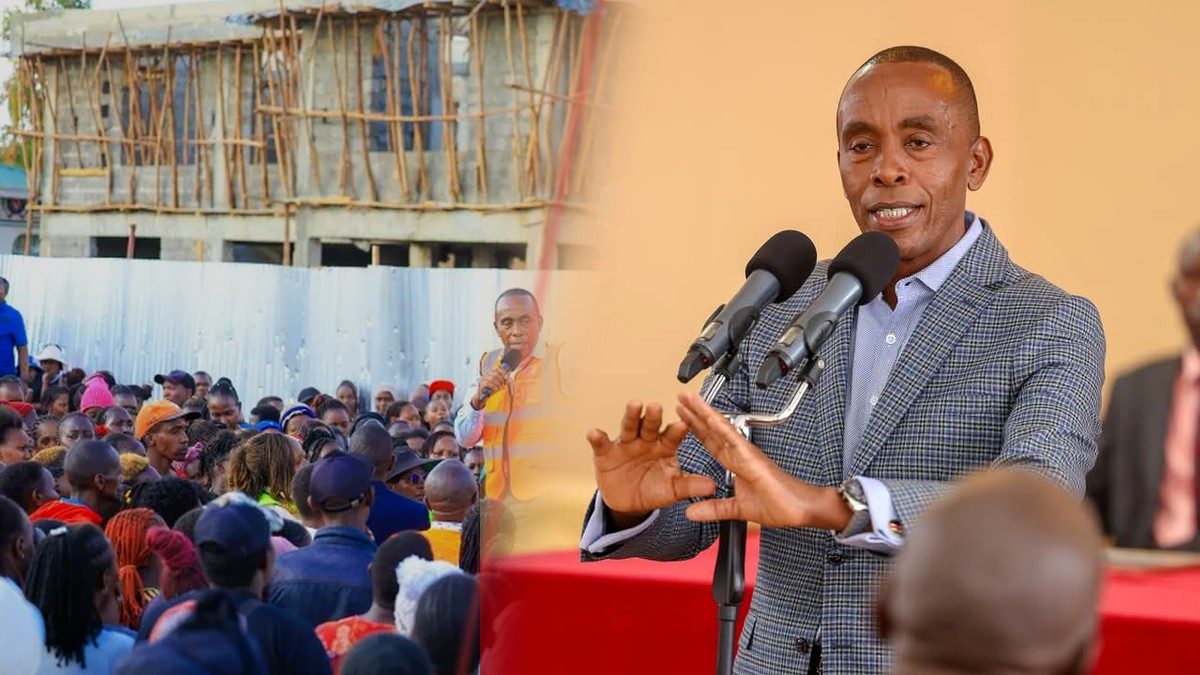
'I will come to request you to vote for me': Wamatangi opens Kiambu re-election pitch with 52,000 nursery pupils and 26 hospitals

'Am I not able to lead this county?': CS Ruku eyes Nairobi governor's seat days after Sakaja walks out of UDA
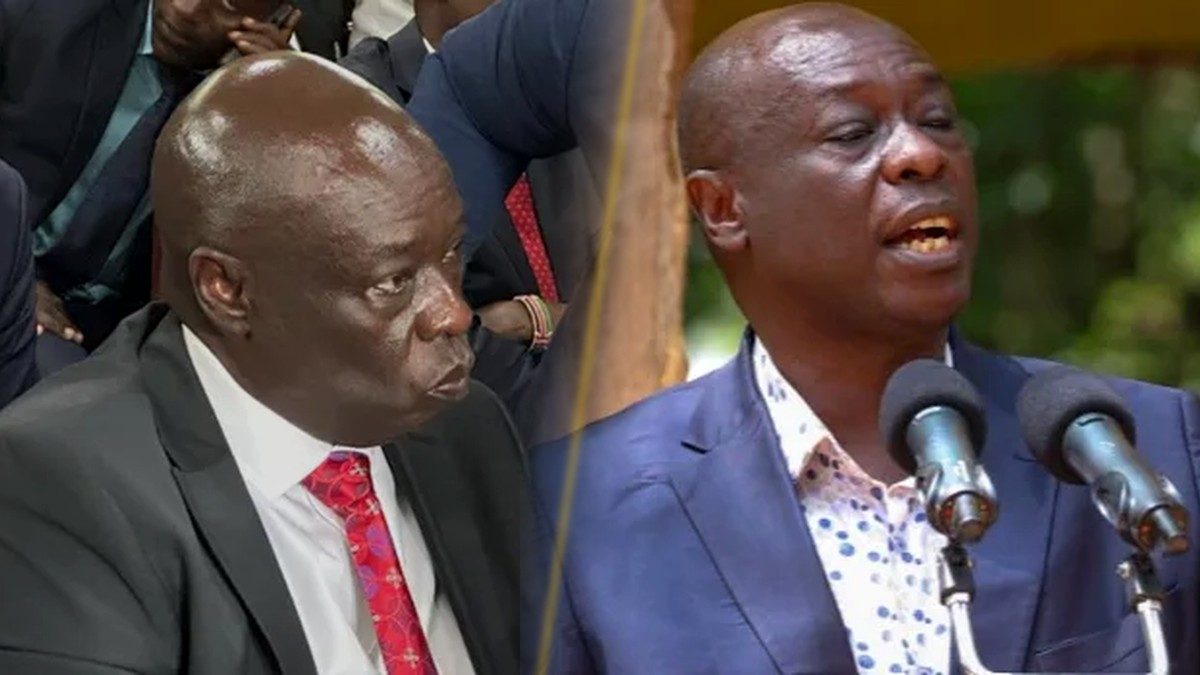
'Overtaken by time': Gachagua drops High Court fight against his impeachment and bets on the Court of Appeal
Global Community Remarks
0