
Tankers ablaze, a tugboat burning: Iran's Guards say ships that defied their Hormuz routes caught fire

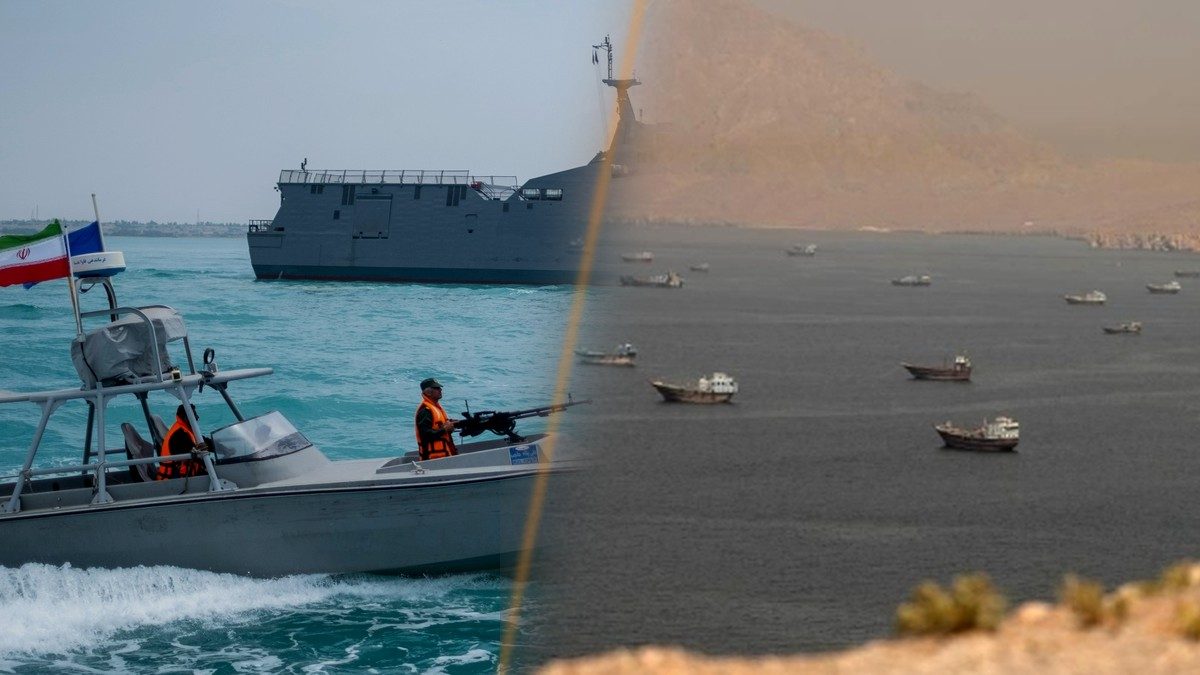
A tugboat that went to help a burning supertanker ended up on fire itself, according to an account from Iran's Revolutionary Guards of a fresh day of trouble in the Strait of Hormuz.
The Islamic Revolutionary Guard Corps (IRGC) said on Thursday that oil tankers and a tug had caught fire in separate incidents after the ships tried to use "unauthorised routes" through the narrow waterway, the main exit for oil from the Gulf.
What Iran says happened
According to a Reuters report carried by the Oman Observer, the IRGC said:
- one tanker struck a mine while crossing a passage south of the strait;
- a supertanker caught fire as it left a route in the eastern part of the waterway;
- a tugboat that went to help put out the second fire also caught fire.
Accounts differ on the number of tankers involved. Reuters reports two tankers and a tug, while Al Jazeera's live coverage reports the IRGC as saying three tankers and a tugboat were burning. The ships have not been named, and there was no word on crew casualties.
None of the claims has been independently verified. Al Jazeera also reports that the IRGC says its electronic warfare units captured two US drones intact, another claim that could not be confirmed.
A wider war at sea
The incidents came on the same day the Saudi-led coalition fighting in Yemen said it had intercepted a missile fired by Houthi rebels towards the Saudi city of Medina, Al Jazeera reports.
Tehran says Hormuz will stay shut until Washington meets a set of conditions, and has warned ships against using any route it has not approved. The latest fires suggest some operators have been trying to slip through regardless, at great risk.
The war, now in its eighth month, is also reshaping US politics. Vice-President JD Vance has blamed it for the Republicans' heavy midterm losses this week, while President Donald Trump insists he would launch it again.
Why Kenyans should watch
Roughly a fifth of the world's oil normally passes through Hormuz. Kenya imports all its refined fuel, much of it bought from Gulf suppliers under the government-to-government deal, so any further damage to shipping in the strait can feed into freight costs, insurance and, eventually, the monthly pump prices set by the Energy and Petroleum Regulatory Authority.
Shipping firms and insurers are expected to reassess the risk of the route after Thursday's reports, as Iran tightens its grip on one of the world's busiest sea lanes.
Photos: Al Jazeera/Getty Images (IRGC navy boats); Oman Observer (ships in the Strait of Hormuz). Thumbnail design: HAMASTA MEDIA.


Grow an audience that listens.
Social media management, digital campaigns and online storytelling that converts.



More in International
See all
'Complicit in sportswashing': NBA confirms Rwanda's army team APR was kicked out of the Basketball Africa League over US sanctions

A Lamborghini Urus, a Mercedes and an officer allegedly beaten: Robert Mugabe's youngest son arrested in Harare car smuggling probe
Fighter jets, emergency landings and 151 passengers on a French air base: Bomb hoaxes hit Europe's skies again

Two months from freedom, now likely locked up until 2036: Hong Kong's Joshua Wong jailed 10 more years for 'collusion'

'The reason we lost is the war': Vance breaks ranks over Iran as Trump insists he would do it again

'Legislative razor wire': Democrats seize both House and Senate in historic rout as Texas, Kansas and Maine turn blue
Global Community Remarks
0