
Kenyans are texting less and streaming more: SMS per Safaricom user plunges 22.9pc as monthly data use climbs to 5.31GB

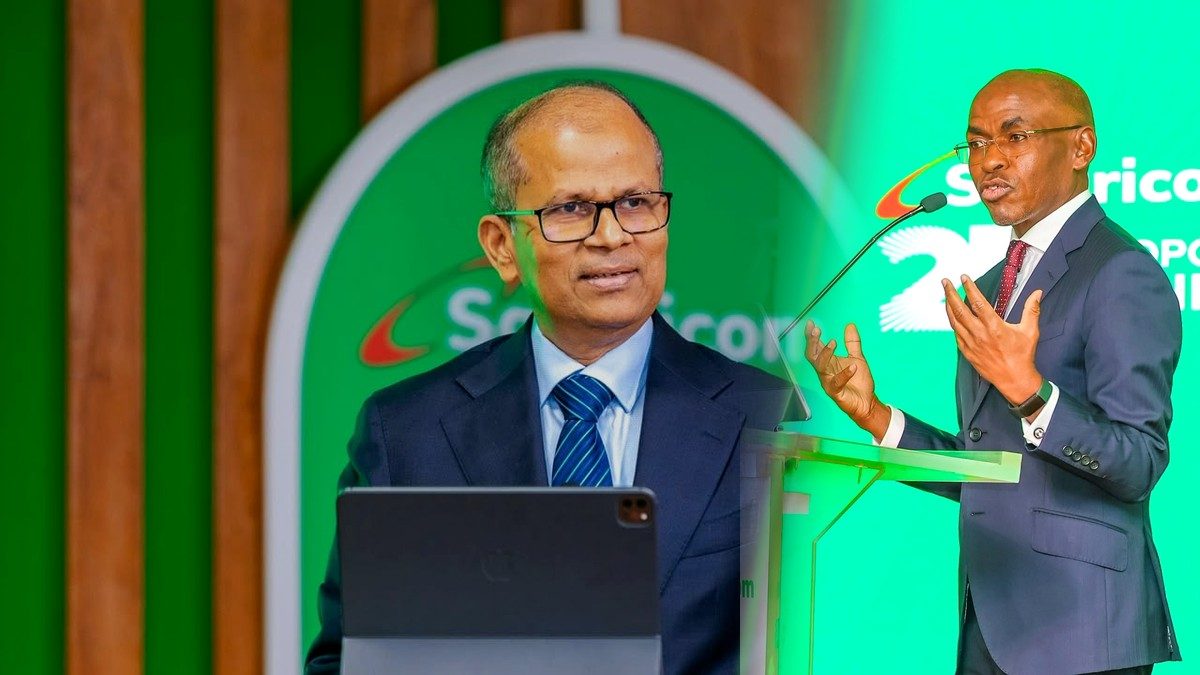
The text message is slowly giving way in Kenya. Safaricom's latest results show its customers sending far fewer SMSs and using much more mobile data.
Half-year figures released on Thursday, 5 November show that messages per subscriber fell 22.9 per cent to 98.94 in the six months to 30 September 2026. Messaging revenue fell 8.6 per cent to Sh5.01 billion.
People still message, just not by SMS
Fewer people are not leaving the service. Active messaging customers actually rose 8.8 per cent to 25.86 million. Each of them, though, is sending fewer traditional texts.
Safaricom put the decline down to "the continued migration of customer communications to IP-based and over-the-top (OTT) messaging platforms". It said the same trend is happening in telecom markets around the world, People Daily reported. Apps such as WhatsApp, Telegram and Facebook Messenger let users chat, call and share media over data or Wi-Fi.
Data is the new airtime
Data use, meanwhile, keeps rising. Average consumption per chargeable data customer rose 9.4 per cent to 5.31GB. Safaricom said the growth was driven by "increased consumption of video, gaming and sports content".
Key numbers from the results:
- One-month active mobile data customers: 27.86 million, up 11.6 per cent
- Customers using more than 1GB a month: 15.21 million, up 17.7 per cent
- Average rate per MB: 5.03 cents, down 10.8 per cent
- Mobile data revenue: Sh45.24 billion, up 12.2 per cent
Safaricom said its Patamore bundles helped bring the average price per megabyte down. Mobile data now makes up 43.8 per cent of the company's connectivity revenue, which grew 7.7 per cent to Sh103.38 billion.
Cheaper per MB, bigger bills overall
The average price of a megabyte is falling, but Kenyans are using so much more data that total spending still went up. Data revenue grew faster than SMS revenue fell, and the company's group profit rose 35.9 per cent to Sh58.2 billion over the same period.
The figures help explain why telecom operators are pushing bundles built around video, social media and gaming. Customers who rely mainly on SMS are spending less and less. The shift also matters for banks, schools and government agencies that still send alerts and one-time passwords by text, as more of those messages move into apps.
Photos: People Daily / Safaricom PLC (Dilip Pal); People Daily / Safaricom PLC on Facebook (Peter Ndegwa). Thumbnail design: HAMASTA MEDIA.


Grow an audience that listens.
Social media management, digital campaigns and online storytelling that converts.



More in Technology
See all
'Why is it cheaper to call China than within the bloc?' New EAC rules could cut roaming calls to 5.9 US cents a minute

'Not punishment but regulation': NTSA's new digital system will register boda boda riders, map their stages and trace stolen motorbikes

Last call for UoN and JKUAT student innovators as China Mobile's four-month tech programme closes registration today

Lake Region universities to start nuclear engineering courses as Siaya plant targets March 2027 groundbreaking

'A matter of national security': Murkomen inaugurates cybersecurity agency board, wants top managers hired by January

Cycle lanes, electric buses and a 60% building cap: Inside Konza's plan for a green, round-the-clock smart city
Global Community Remarks
0