
No washing, no embalming, burial within 24 hours: Duale's Ebola rules would stop families bringing home loved ones who die of the virus abroad

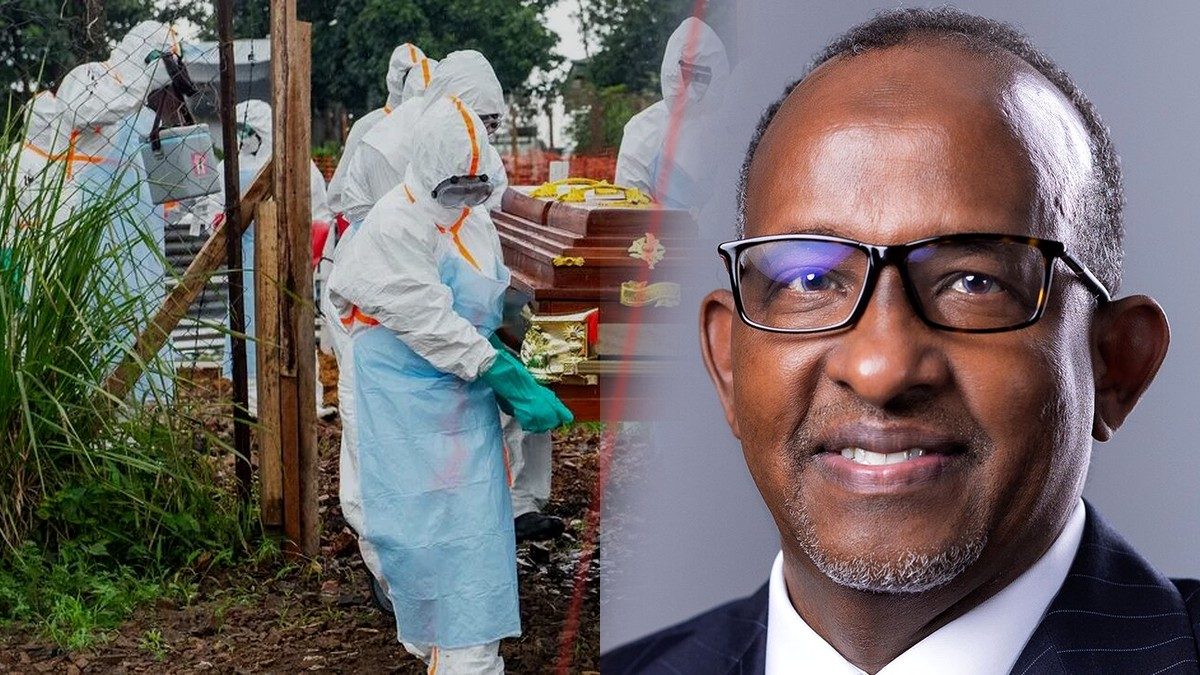
A family whose relative dies of Ebola outside Kenya would not be allowed to bring the body home for burial under new regulations Health Cabinet Secretary Aden Duale has asked Parliament to approve urgently.
Duale appeared before the National Assembly Committee on Delegated Legislation to defend the Public Health (Ebola Disease) Rules, 2026, as the outbreak centred in the Democratic Republic of Congo continues to unsettle the region.
"A person shall not transfer or repatriate the body of a person who has died of Ebola disease outside Kenya," reads rule 21(2), as quoted by the Nation and The Eastleigh Voice.
What the rules say about the dead
The regulations set out strict steps for anyone who dies of Ebola in the country:
- Only trained personnel in protective gear may handle the body.
- The body must be placed in a sealed, leak-resistant bag carrying an identification reference and, where storage is needed, kept in a secure designated area.
- Washing, embalming and dressing the body for a funeral are banned.
- A sealed body may only be opened for an examination or specimen collection allowed by law.
- A medical officer of health must arrange burial within 24 hours at a site suitable on public health grounds.
Medical officers must also decontaminate affected premises and equipment, safely dispose of contaminated waste and follow up staff exposed during body handling or burial. For unclaimed bodies, they must work with other authorities to establish identity, trace next of kin and keep identification records.
'A dignified burial'
The rules require medical officers to consult the next of kin and allow families to take part in burial and religious or cultural rites, as long as those observances do not undermine control measures.
"If the person is a Christian, the burial will be conducted according to their customs, if the person is a Muslim, the rules shall apply, that is what we mean by giving the person a dignified burial," Duale told the committee.
He said the rules aim to allow timely public health action against Ebola while keeping measures proportionate to the risk and respecting rights and freedoms, and urged MPs to fast-track them.
Why burials matter in Ebola
In the DR Congo, the epicentre of the outbreak, traditional burial practices such as relatives washing and preparing the body have been cited as a key obstacle to containing the virus, because the bodies of victims remain highly infectious. The World Health Organization's safe and dignified burial guidelines nonetheless treat family involvement and religious rites as part of a safe burial.
The committee will now scrutinise the regulations and report to the House, recommending whether to approve them as they are or with amendments. The Star reported in October that the rules, including the repatriation ban, had already been published by the ministry; as statutory instruments, they must still go through parliamentary scrutiny.
Photos: The Eastleigh Voice/UNOCHA (Ebola burial team in DR Congo); Government of Kenya via Wikimedia Commons (public domain) (Health CS Aden Duale official portrait). Thumbnail design: HAMASTA MEDIA.




Show the impact of your work.
Impact stories, campaign videos and community engagement for NGOs and programmes.

More in Health
See all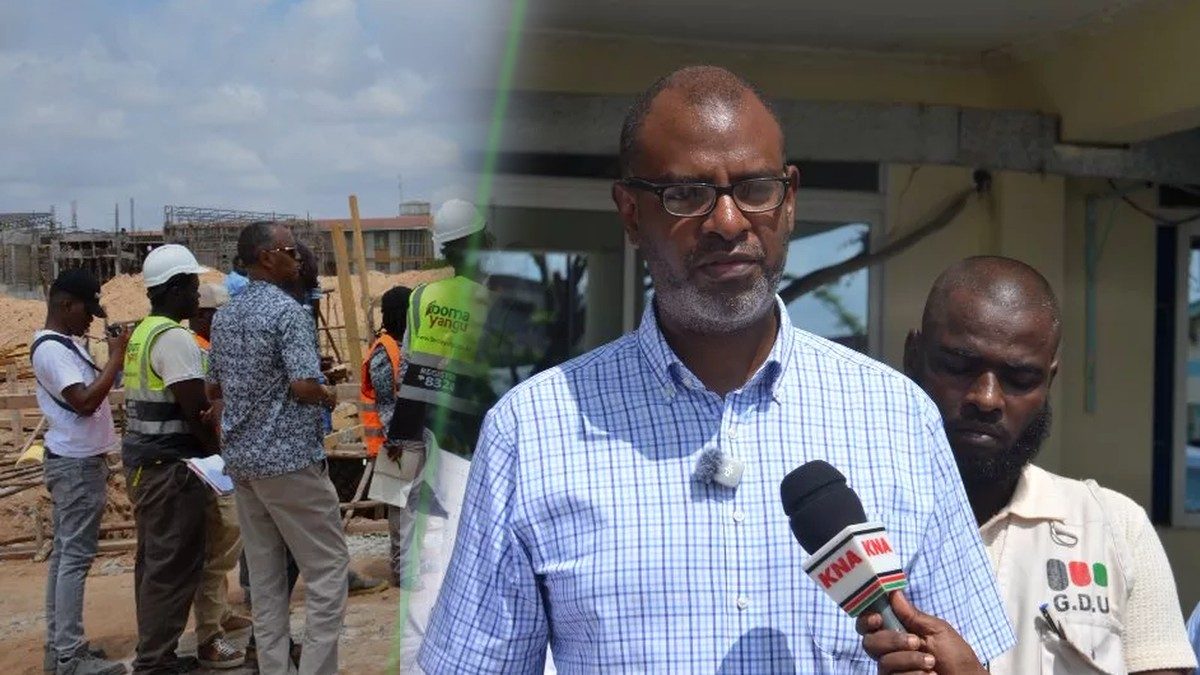
No more long rides to KNH? Garissa referral hospital races for Level 6 status by year-end, with a cancer centre for five counties
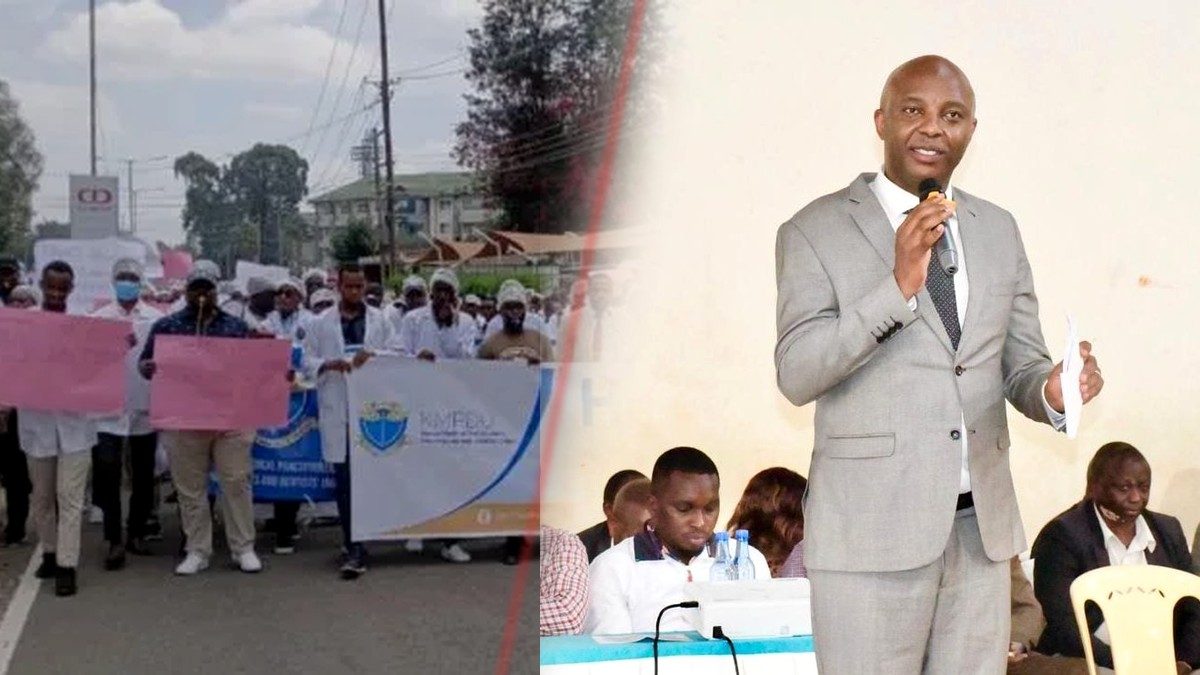
'We are not ready for any negotiations': Doctors to down tools in 17 counties on November 25 unless pay rise hits payslips, as Kang'ata blames SRC
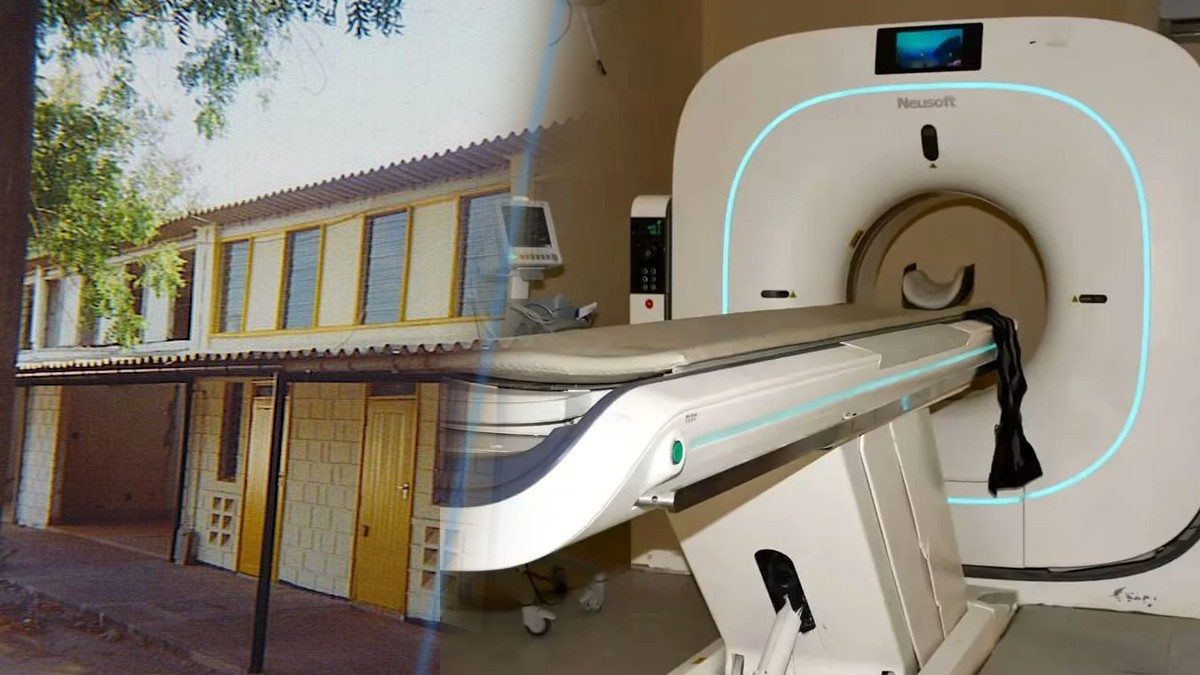
No more Sh30,000 trips to Mombasa for a scan: Tana River restores CT and X-ray services at Hola hospital after five months of referrals
Deal signed, strike still on? Uasin Gishu inks clinical officers' CBA after four months of disruption, but union says members stay out
OPINION: The money was sent. So why are 17 counties marching patients towards another doctors' strike?

Kenya discharges its first five Ebola survivors from KNH and Nairobi Hospital as 52 contacts wait out quarantine
Global Community Remarks
0