
In 2027, Kenya’s ballot may be decided not only in political strongholds — but in the mathematics of a changing nation.


Beneath campaign slogans and roaring rallies, a quiet revolution is taking shape — in numbers.
By 2027, Kenya’s election may not be decided by the usual political giants alone, but by restless young voters, forgotten counties, and a generation carrying frustration, hope, and unfinished dreams.
Millions of young people will approach the ballot carrying more than voter cards. They will carry the weight of joblessness, rising living costs, broken promises, and a deep hunger to be seen. For many, the vote may become less about loyalty and more about survival.
And while politicians fight over traditional strongholds, the ground is shifting. Fast-growing counties are quietly gaining influence. Regions long treated as spectators could suddenly become the center of national power.
But the most powerful shift may be happening in the hearts of young voters.
This is a generation raised in uncertainty — educated but unemployed, connected but unheard, ambitious but often locked out. If they vote in large numbers, they could redraw Kenya’s political map. If they withdraw in disappointment, old systems may tighten their grip.
That is why 2027 may be more than an election. It may be a reckoning.
Not between parties alone, but between the politics of the past and the demands of a new generation.
The real battleground may not be in the loudest rallies, but in the silent arithmetic of growing populations, changing communities, and young people asking one painful question:
Will our numbers finally count?



Know what people say about you.
Media monitoring, audience insights and strategic communication for your brand.


More in Politics
See all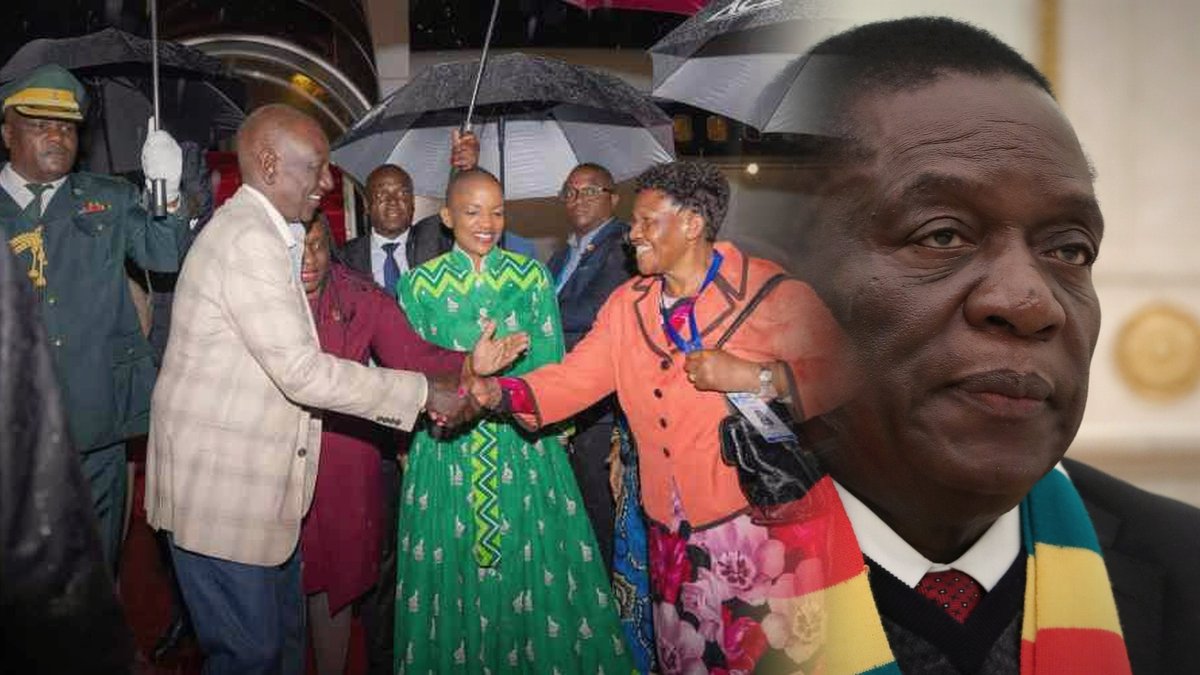
Ruto lands in Harare to hand over COMESA chairmanship to Mnangagwa at 25th summit
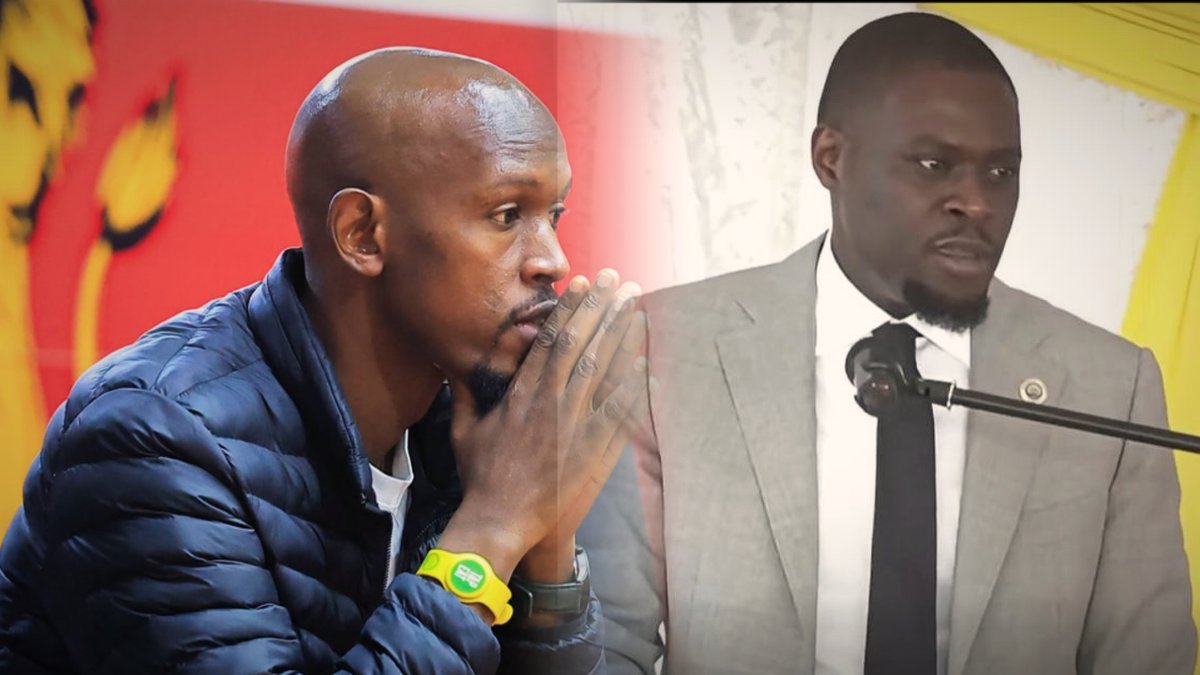
"My only mistake was to outshine my master": Mosiria fires back at Sakaja after sacking

Moi and Komen dynasties line up to take back Rongai seat from UDA's Chebor
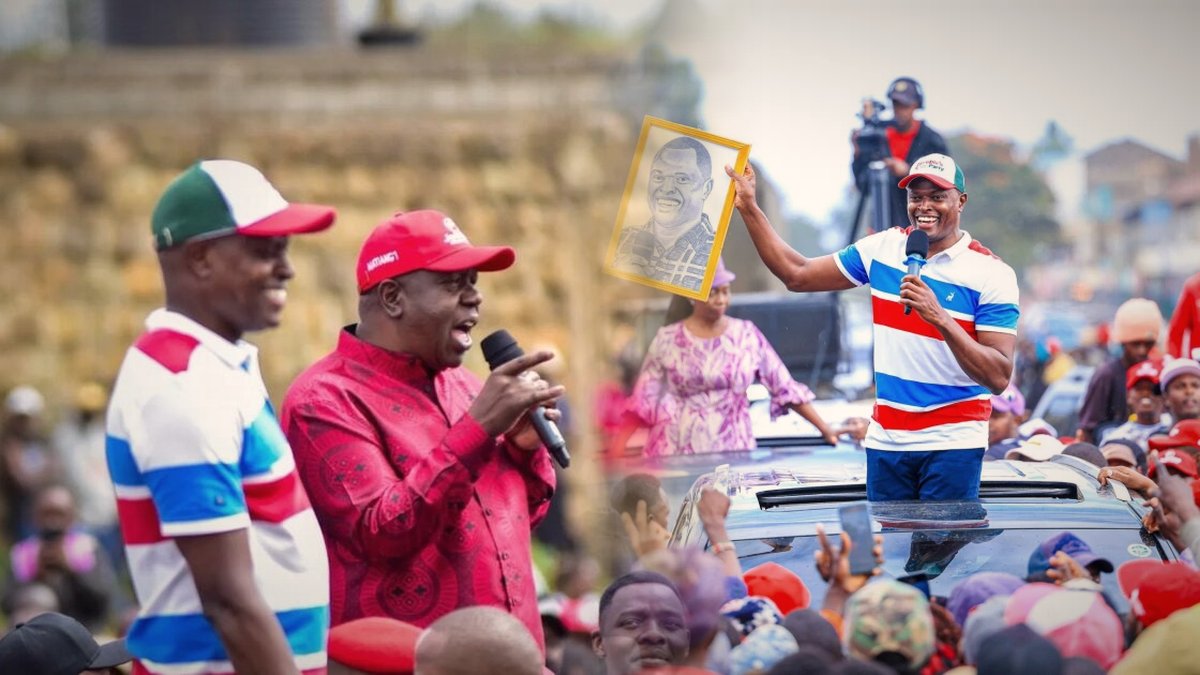
Karua, Nyoro and Matiang'i dismiss Ruto's PAYE relief pledge as 2027 campaign bait
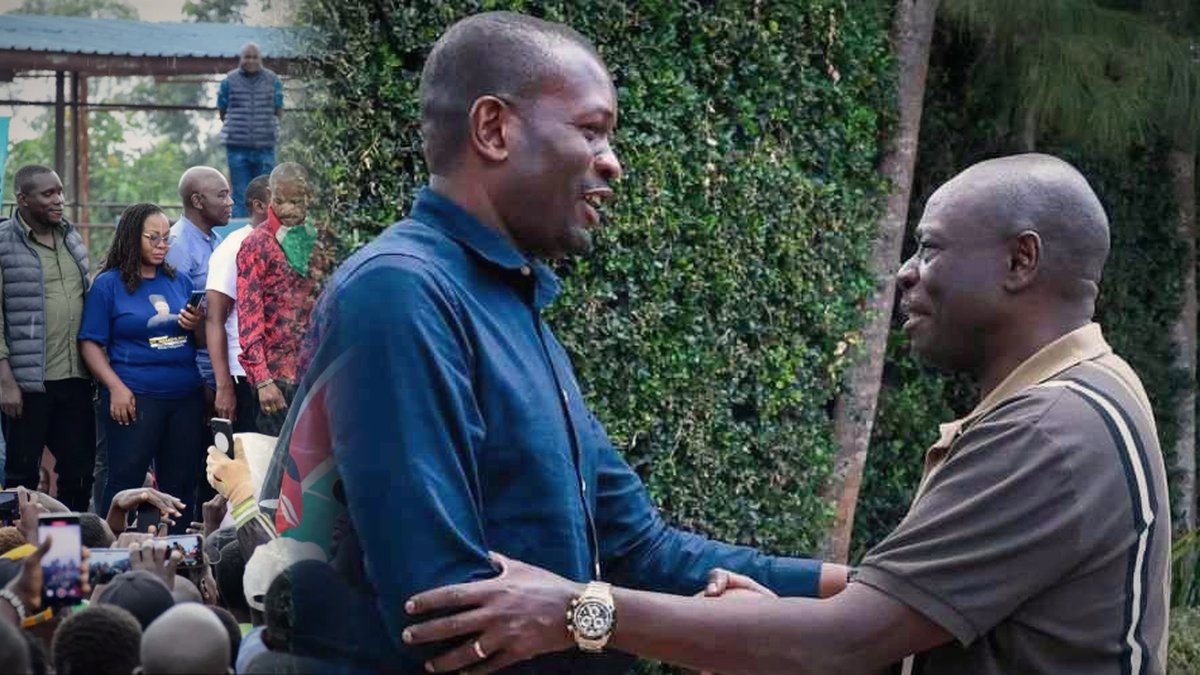
Gachagua and Sifuna to take alliance to the ground with first joint rally in Nyahururu
Babu Owino dismisses claims Gachagua told him to quit Nairobi governor race for Senate
Global Community Remarks
0