
Mozambique's Venâncio Mondlane goes on trial over deadly 2024 election protests
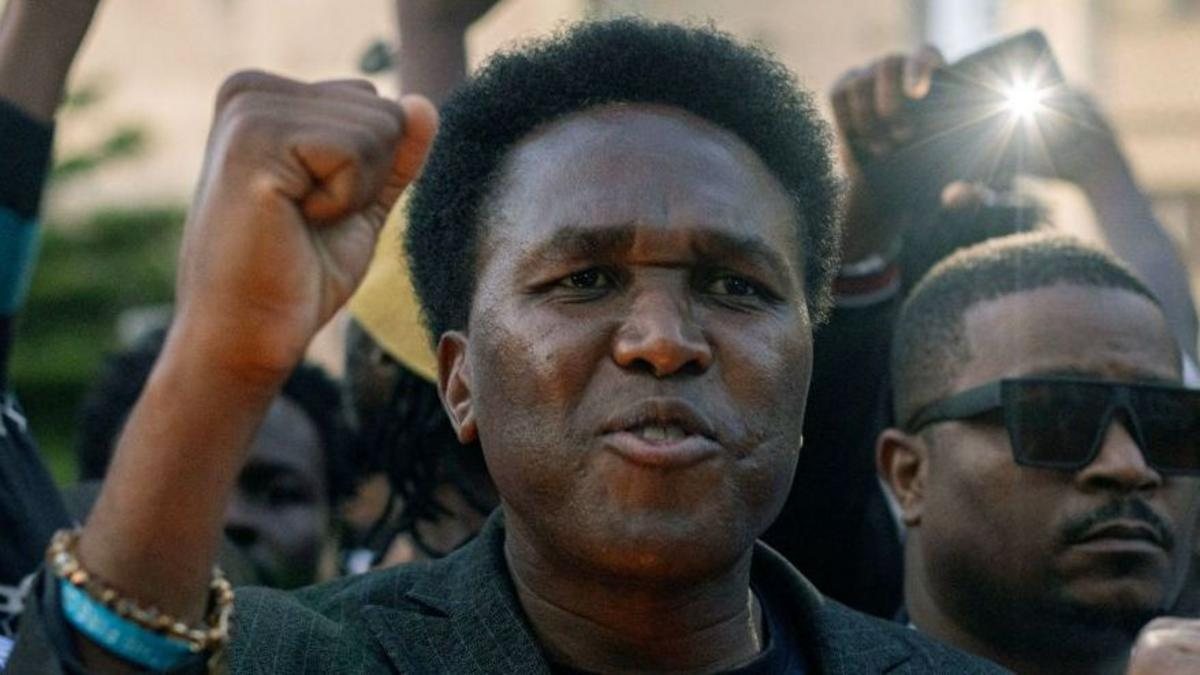
Mozambican opposition leader Venâncio Mondlane is set to stand trial at the Supreme Court in Maputo on Tuesday over the deadly protests that followed the country's disputed 2024 elections, with police deployed in large numbers across the capital, according to BBC News Africa.
Mondlane, who came second in the October 2024 presidential election, faces several charges, among them incitement to terrorism and civil disobedience. He denies any wrongdoing.
Authorities have tightened security around the court amid fears that his supporters could launch a new wave of demonstrations.
Charges and possible sentence
Prosecutors allege that Mondlane encouraged protests that disrupted public services, damaged property and endangered public security. The charges listed include publicly glorifying criminal acts, inciting collective disobedience, publicly instigating crimes and offences connected to terrorism.
If convicted on the most serious count, he could be jailed for up to 24 years, BBC News Africa reported.
Mondlane has rejected the accusations, maintaining that his calls to protest were meant to push for electoral transparency and not to stir violence. His party, the National Alliance for a Free and Autonomous Mozambique (Anamola), says the case is politically motivated. The Supreme Court has denied claims of political interference.
Five judges are expected to hear the case, with both the prosecution and the defence calling witnesses.
A disputed vote and months of unrest
The trial stems from the aftermath of the 2024 polls, in which Daniel Chapo of the governing Frelimo party was declared the winner. Mondlane challenged the result, alleged widespread fraud and urged Mozambicans to join nationwide protests and work stoppages.
The demonstrations went on for months. Rights groups accused the security forces of using excessive force against protesters. Amnesty International, citing local civil society groups, said more than 300 people were killed, making it one of the worst post-election crises Mozambique has experienced since independence.
European Union election observers also documented irregularities in the vote, raising doubts about the credibility of the outcome.
Police urge calm
In a statement on Monday, Mozambique's police called on citizens to follow the proceedings peacefully and to avoid actions that could threaten public order. They asked the public to "preserve tolerance and peaceful coexistence", stressing that the right to protest must be exercised within the law.
The police also promised to protect people and property, saying they would act preventively and proportionately in line with the rule of law.
Media access row
The court has allowed only selected media organisations into the courtroom, a decision that has drawn criticism from journalists and press freedom campaigners. Court officials say the restriction is due to limited seating, but critics argue it undermines transparency in a case of major public interest.
A test for the country
The case is widely viewed as a key test of Mozambique's political stability almost two years after the elections. Political analyst Luis Nhachote told BBC News Africa that the trial was an important chance to show that the rule of law applies equally to everyone.
Observers have warned that the proceedings could reopen tensions in a country still recovering from the violence and deep political divisions that followed the vote.
This story was prepared by the Hamasta Newsdesk with AI assistance, based on reporting by BBC News Africa. Read the original report. Photo: BBC News Africa.




Show the impact of your work.
Impact stories, campaign videos and community engagement for NGOs and programmes.

More in International
See all
Ukraine reportedly hits Krasnodar oil refineries a day after Kerch bridge strike

Family seeks embassy help as Kenyan man goes missing in freezing Belarus forest
First MINURSO contingent leaves Laayoune as UN mission begins phased withdrawal
Ghana defends $60m presidential jet as critics cite cost-of-living strain
Xi says China and Russia should lead push for multipolar world at APEC summit
Global Community Remarks
0