
Cash-strapped Moi University turns to sugarcane farming in Sh105m revenue bid
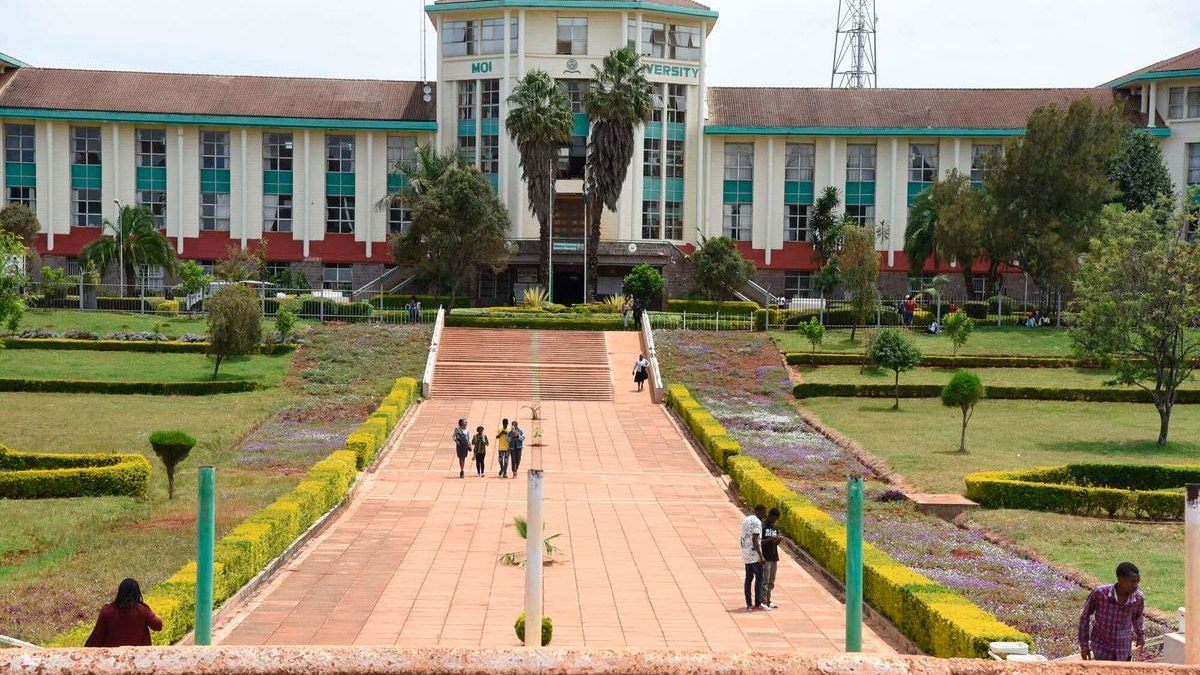
Moi University has moved into large-scale sugarcane farming, planting 750 acres of cane on its main campus in a bid to raise its own income and depend less on government funding, according to Nation Kenya.
The financially troubled institution plans to expand the plantation to 1,500 acres. The project is estimated to cost Sh105 million and is meant to turn the university's large landholdings into a commercial farming business.
Vice-Chancellor Prof Kiplagat Kotut said the university had decided to use its land to earn money rather than rely fully on state allocations. "Our main aim is to ensure the institution runs seamlessly," he said.
According to Prof Kotut, the university owns about 3,000 acres, and close to half of that land has been set aside for sugarcane. He said the venture would also support teaching in the schools of agriculture and engineering and create jobs for nearby communities.
The move fits within the government's push for public universities to develop their own revenue-generating activities to supplement funding.
Partnership with miller
Speaking on Tuesday while inspecting the plantation, Prof Kotut said the project followed consultations with sugar millers, agricultural stakeholders and local residents.
The university has partnered with West Kenya Sugar Company, which is supplying seed cane, technical expertise and advice on crop management. The miller will also buy the harvested cane, giving the university a ready market.
Costs and expected returns
Farm manager Tobias Okeno said initial spending had been estimated at about Sh70,000 per acre, covering land preparation, planting and weeding, though the figure could change depending on weather and the condition of the land.
Eight fast-growing cane varieties, which mature at different times, have been planted across the 750 acres. Mr Okeno said the university expects to have harvested the entire farm by June next year, and described the exercise as research to establish which variety performs best in the region. The findings could also guide neighbouring farmers considering commercial cane growing.
The university projects a yield of roughly 40 tonnes per acre. At the current Kenya Sugar Board price of Sh5,500 per tonne, that would translate to gross earnings of about Sh220,000 per acre before production and operating costs are deducted.
Actual returns will depend on how the varieties perform, the weather, crop management and harvesting costs. The first harvest is expected to be an important test of whether the venture is commercially viable.
Jobs for residents and students
Prof Kotut said hundreds of local residents had been hired during planting and weeding. Students have also been paid to weed and spray the crop, including during the national lecturers' strike, when some used the work to support themselves.
He described the arrangement as part of efforts to build a mutually beneficial relationship with the university's neighbours.
Wider farming plans
The sugarcane project is part of a broader plan to expand commercial agriculture on the university's land, with coffee and tea plantations proposed alongside existing apple and avocado projects.
The university launched an apple orchard of nearly 100 acres in May 2021. Prof Kotut said the project remains operational, though its commercial returns have not been established. The institution is researching apple varieties, including one called MUA52 that he said the university is developing. The next apple harvest is expected around February next year, with changing climatic conditions having affected the harvesting schedule.
The university is also growing avocados in partnership with Safaricom. Mr Okeno said the first batch of seedlings was planted in November last year and a second in March this year.
The farming push comes as the university grapples with deep financial problems. Nation Kenya has previously reported on the freezing of the institution's accounts over a debt owed to a contractor, which grew from a Sh185.3 million award to more than Sh1 billion.
This story was prepared by the Hamasta Newsdesk with AI assistance, based on reporting by Nation Kenya. Read the original report.
Photo: Nation.


Take your event live to thousands.
Multi-camera live streams, panel discussions and digital broadcasts with professional crews.




More in University News
See all
Maseno University mourns student Arnold Shigoti, laid to rest in Vihiga

A JOURNEY OF LEARNING, UNITY AND EXCITEMENT: soe (English literature )

MASENO university back to supremacy in western kenya ball games

Soret family handing over new leadership.

Kaimosi Friends University to Award First-Ever Honorary Degree to Veteran Lawyer John Khaminwa

Global Community Remarks
0