
Guinea jails 22 ex-officials and 202 others in illegal gold mining crackdown
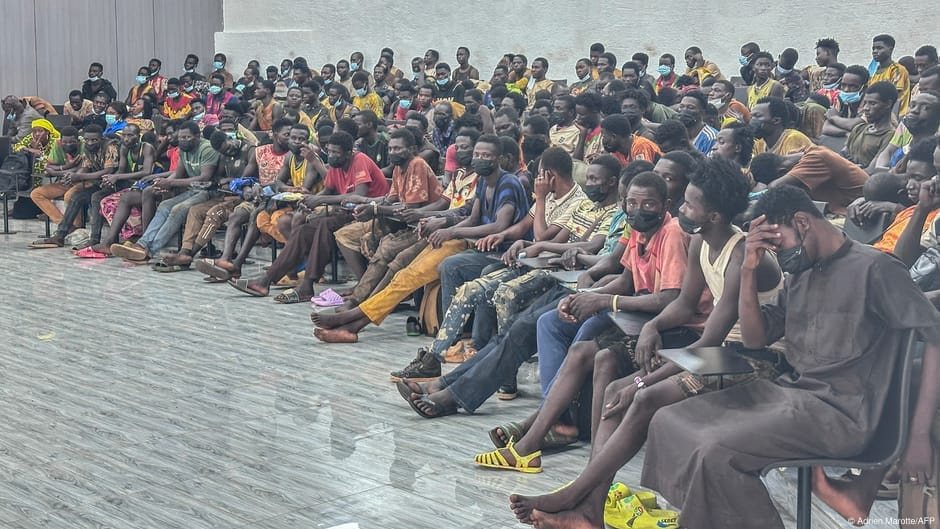
A court in Guinea's capital, Conakry, has jailed 22 former local administrators and 202 people accused of illegal gold mining in the gold-rich Siguiri region, according to DW News.
The sentences, handed down on Tuesday, are the latest step in a government campaign against wildcat mining in the country's northeast. The campaign has sparked deadly clashes and pushed thousands of people across the border into neighbouring Mali.
Prison terms and fines
Conakry's Court for the Repression of Economic and Financial Offenses gave each of the 22 former Siguiri officials a two-year jail term. They were convicted of complicity in environmental degradation, destruction and water pollution.
Each was also fined 10 million Guinean francs, roughly €1,025 or $1,125, DW News reported.
The 202 alleged miners, several of whom are foreign nationals, received three-year prison sentences. They faced the same charges as the officials, along with an extra count of illegal mining.
The court ordered them to pay a combined fine of 10 billion Guinean francs. Those who are not Guinean citizens were further barred from entering the country for 10 years.
A crackdown turned violent
Guinea's government announced earlier this month that it would move to end illegal gold mining. Authorities said the aim was to protect farmland and rivers and to halt wider damage to the environment.
The drive soon became deadly. Last week, protesters and security forces clashed in the northeast, leaving 10 people dead and 13 others injured, according to DW News.
The pressure on miners in Siguiri had already been building. In November, more than 1,200 artisanal miners were arrested in the area.
Many others fled over the border into Mali. Some of them then had to wait there for transport back to their home country, Burkina Faso.
A livelihood for hundreds of thousands
The crackdown targets an activity on which a large number of people depend. Figures from the UN Environment Programme cited by DW News show that unauthorised gold mining provides income for more than 300,000 people in Guinea.
The country's gold deposits draw workers from across West Africa. That regional pull helps explain why foreign nationals were among those convicted, and why the campaign has had effects beyond Guinea's borders.
Siguiri lies in the northeast, close to the frontier with Mali, making the region a crossing point for miners moving between the neighbouring states.
Wider significance
The case shows the tension many African governments face between protecting land and water and dealing with informal mining that supports large numbers of families. Artisanal gold mining is also common in parts of East Africa, including western Kenya, where similar questions about regulation and environmental harm have been raised.
In Guinea, the decision to prosecute former officials alongside miners suggests authorities want to hold local administrators responsible for allowing illegal operations to continue on their watch.
It remains unclear how the convictions will affect mining activity in Siguiri, or whether further prosecutions will follow from the hundreds of arrests made in November.
This story was prepared by the Hamasta Newsdesk with AI assistance, based on reporting by DW News. Read the original report. Photo: DW News.
Every moment, captured beautifully.
Events, corporate portraits, products and editorial shoots by our newsroom photographers.





More in International
See all
Ukraine reportedly hits Krasnodar oil refineries a day after Kerch bridge strike

Family seeks embassy help as Kenyan man goes missing in freezing Belarus forest

First MINURSO contingent leaves Laayoune as UN mission begins phased withdrawal

Ghana defends $60m presidential jet as critics cite cost-of-living strain

Xi says China and Russia should lead push for multipolar world at APEC summit
Global Community Remarks
0