
Fuel Prices Surge as EPRA Announces New Review Cycle

.jpeg)
Kenyans are set to dig deeper into their pockets following the latest fuel price review announced by Energy and Petroleum Regulatory Authority (EPRA), which has seen a significant rise in the cost of petroleum products across the country.
In the review covering the period between May 15 and June 14, 2026, EPRA announced that the price of Super Petrol has increased by KSh 16.65 per litre, while Diesel recorded a sharp rise of KSh 46.29 per litre. Kerosene prices remained unchanged.
Under the new pricing structure, motorists will now purchase Super Petrol at KSh 214.25 per litre, Diesel at KSh 242.92, and Kerosene at KSh 152.78 per litre.
The latest adjustment has triggered concern among consumers, transport operators, and businesses, with many warning that the rise in diesel prices is likely to push up the cost of transport, food, and other essential commodities in the coming weeks.
According to EPRA, the increase has been attributed to rising global fuel prices, higher importation costs, and fluctuations in the exchange rate, which continue to affect Kenya’s fuel supply chain. The authority noted that the average landed cost of imported diesel rose significantly during the review period, forcing the upward adjustment.
To cushion consumers from an even steeper increase, the government is expected to utilize billions from the Petroleum Development Levy Fund to stabilize diesel and kerosene prices. However, reports indicate that petrol did not benefit from subsidy support in the latest cycle.
The announcement comes at a time when many Kenyans are already grappling with the high cost of living, with economists warning that the fuel hike could trigger inflationary pressure across multiple sectors of the economy.
Meanwhile, in another major development within the energy sector, EPRA has introduced new regulations allowing large electricity consumers to purchase power directly from producers, a move expected to reduce reliance on Kenya Power and increase competition in the energy market.
Industry players say the reforms could reshape Kenya’s electricity sector by opening doors for private participation and improving efficiency in power distribution.
EPRA is expected to continue monitoring international market trends and currency fluctuations ahead of the next monthly fuel review.




Show the impact of your work.
Impact stories, campaign videos and community engagement for NGOs and programmes.

More in Business
See all
Kirima's widow warns Kenyans against buying plots on disputed 1,000-acre Njiru land

Kenya woos foreign building materials makers to set up factories and boost affordable housing

Bankers push for PAYE cut for all workers as Ruto targets low earners
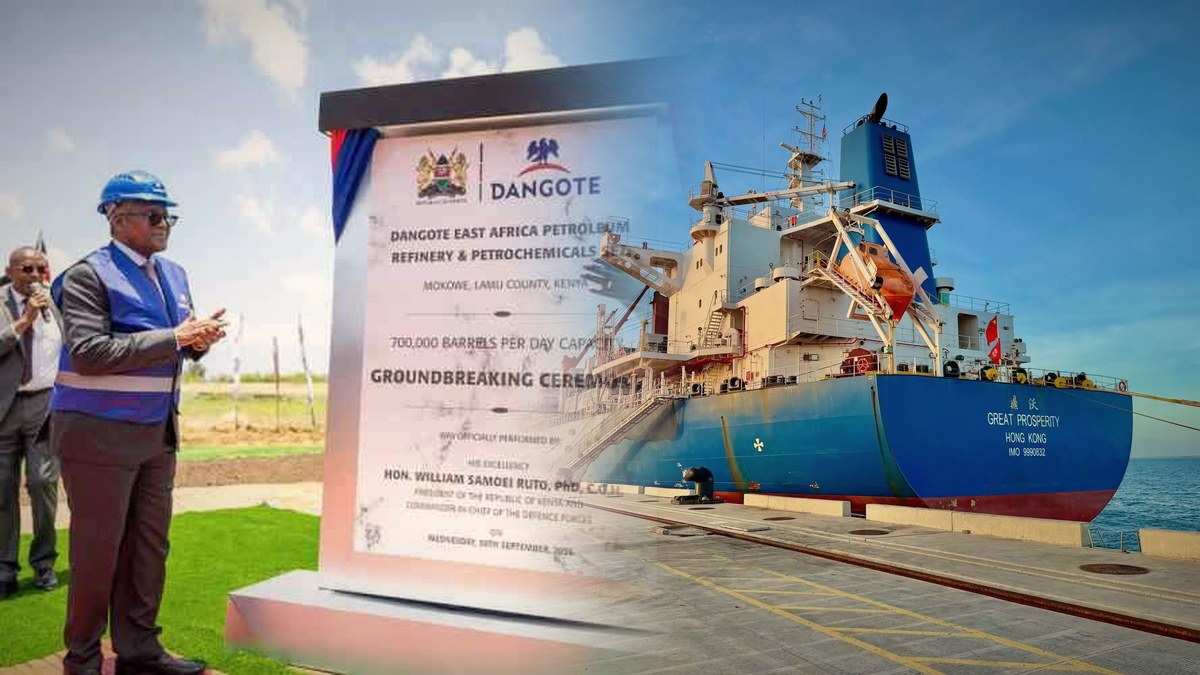
Second shipment of heavy machinery for Dangote refinery docks at Lamu port

UK government arm takes Sh1.94bn stake in Quickmart IPO
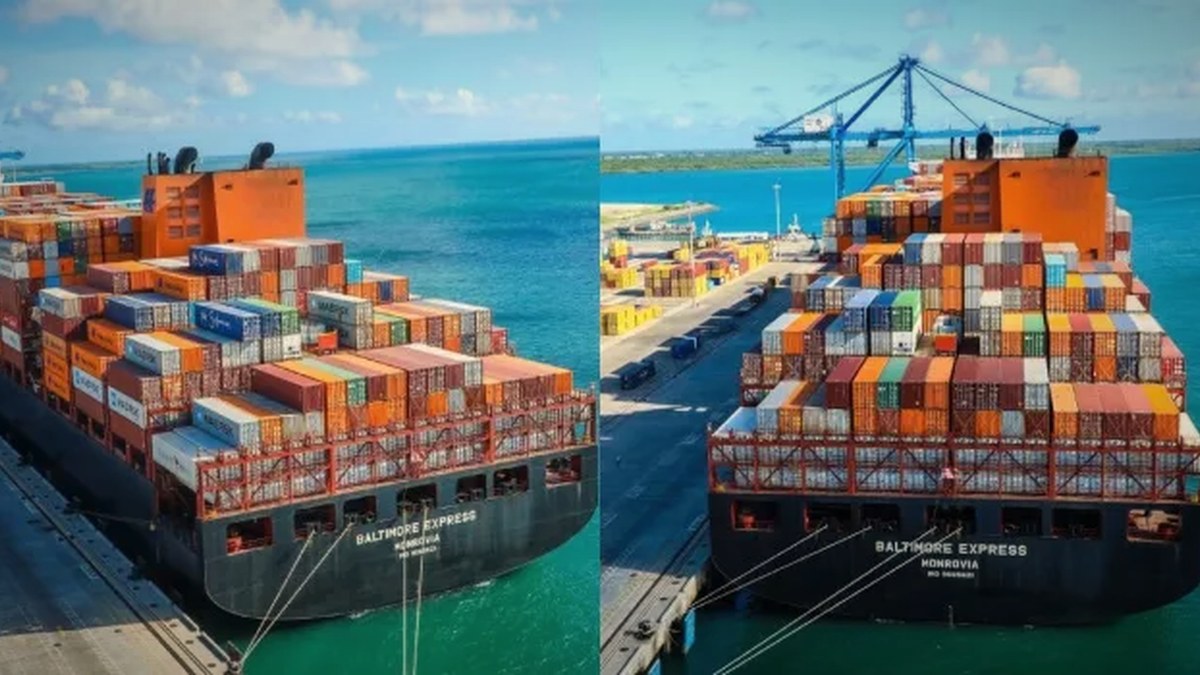
Six oil tankers among 51 ships expected at Mombasa and Lamu ports by end of October
Global Community Remarks
0