
Trump unveils Quad critical minerals deals at Manila meeting
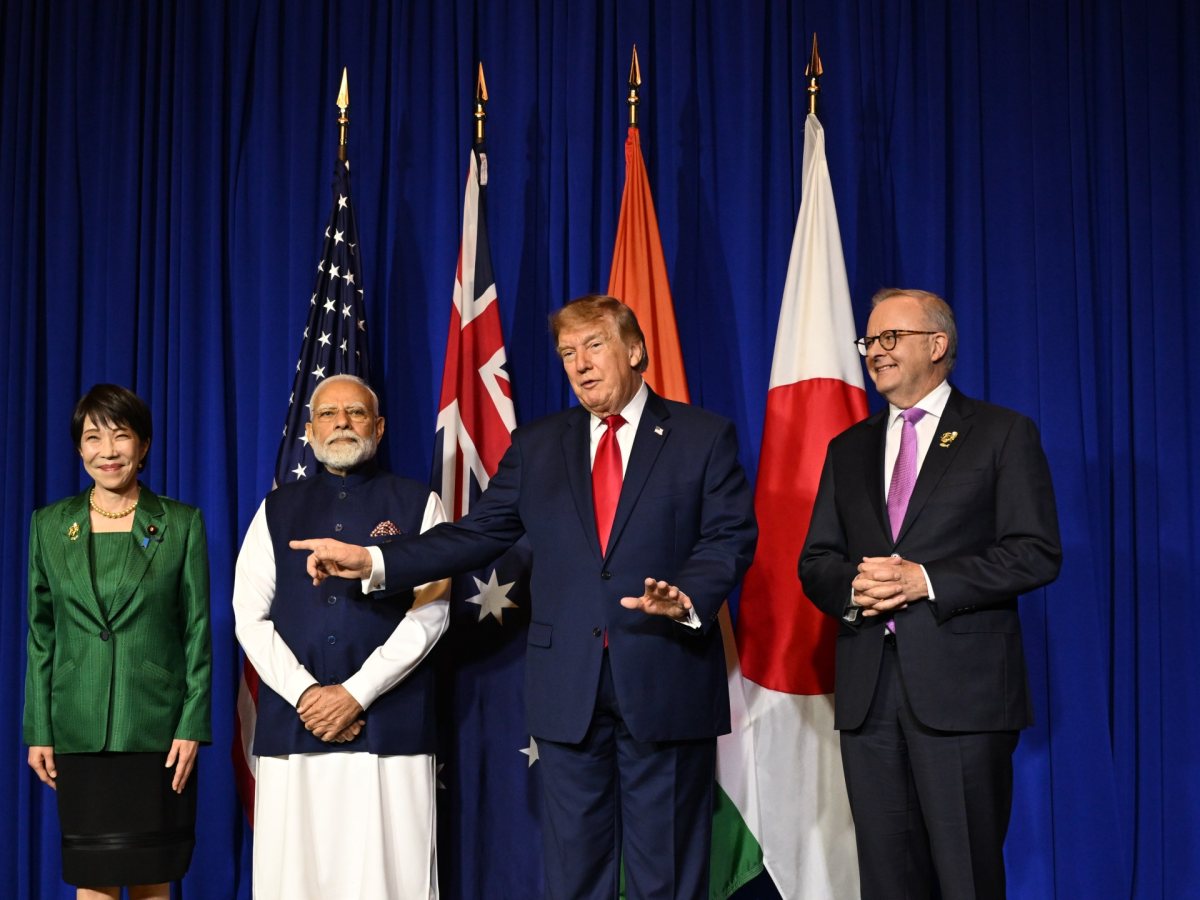
United States President Donald Trump says the four members of the Quad security grouping have reached agreements to secure supply chains for critical minerals. He made the announcement at a leaders' meeting in Manila, the Philippine capital, on Thursday, according to Al Jazeera.
Trump met India's Prime Minister Narendra Modi, Australia's Prime Minister Anthony Albanese and Japan's Prime Minister Sanae Takaichi. It was his first meeting of the Quad, a grouping that his predecessor, Joe Biden, treated as a flagship of his foreign policy.
Trump said the minerals agreements were designed to prevent "coercion by any single foreign supplier". He did not name China, which dominates the world's supply of rare earths.
Race to catch up on rare earths
Trump later said the US would have all the rare earths it needs within 10 months. He claimed that American production was at an unprecedented level and that the country would catch up with China in that time.
Rare earths are essential to manufacturing a wide range of products, from electric vehicles to mobile phones. China restricted exports of the materials last year during a trade dispute with Washington. In June, the two countries reached a deal intended to restore US access to Chinese supplies.
Japan has also felt the pressure. According to Al Jazeera, China has effectively cut off exports of key critical minerals to Japan for close to a year as relations between Asia's two biggest economies have sharply deteriorated.
After the meeting, the Quad issued a statement voicing grave concern about economic coercion, including the use of arbitrary export restrictions. The statement did not identify any country, but both the US and Japan have complained about Beijing's curbs on rare earth exports.
Signs of a working relationship
Scott Lucas, professor of international politics at the Clinton Institute at University College Dublin, told Al Jazeera that the meeting suggested the grouping still had a functioning relationship.
He pointed to strains during the Trump administration, including instability caused by US tariffs on India and New Delhi's response of diversifying its partnerships. Lucas said the meeting and the joint statement offered reassurance, though he said he would hesitate to describe the Quad as an alliance, arguing that Trump's team does not believe in alliances.
The global scramble for critical minerals is of growing interest across Africa, which holds significant deposits of materials such as cobalt, much of it in the Democratic Republic of Congo.
Asia tour continues
Trump also attended a summit of the Association of Southeast Asian Nations (ASEAN) in Manila, on the first day of a three-day trip to Asia.
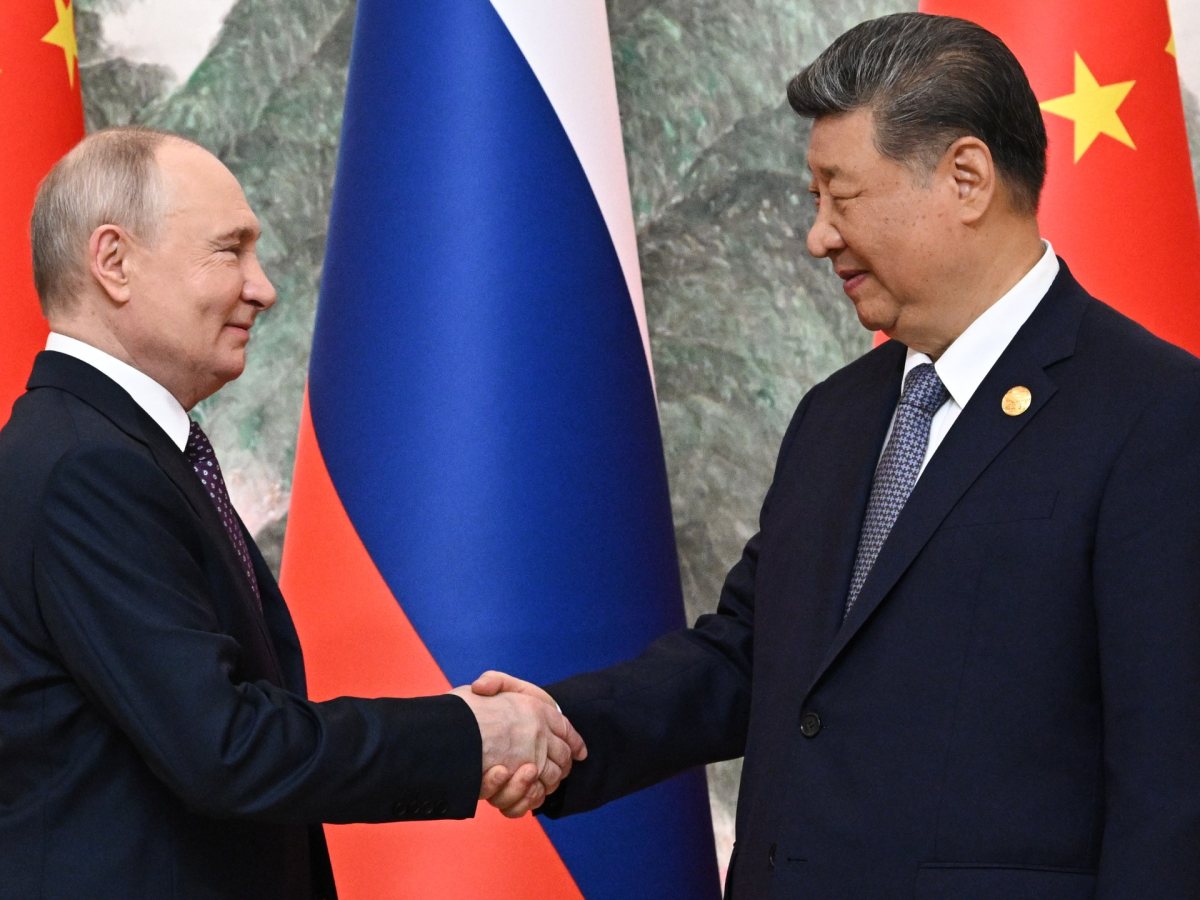
From the Philippines, he is due to travel to China for the Asia-Pacific Economic Cooperation (APEC) forum in Shenzhen. There, he is expected to hold a three-way meeting with Russian President Vladimir Putin and Chinese President Xi Jinping. China's Ministry of Foreign Affairs has said the talks will cover matters of major significance, including safeguarding world peace.
Iran 'dirty bomb' claim
Reporters also asked Trump about a CNN report alleging that US intelligence had concluded Iran was developing plans to use a so-called dirty bomb against Trump administration officials. Trump said he was looking into the claim.
He warned that if Iran posed an imminent threat to the US, it would face unprecedented consequences. He said he hoped there was no such threat but was treating the possibility very seriously.
Iran rejected the allegations. Foreign Ministry spokesperson Esmaeil Baghei said on X that those behind aggression against Iran were spreading baseless claims, including reports by The New York Times and what he called a fabricated CNN narrative about a dirty bomb, to prepare the ground for hostile plans.
This story was prepared by the Hamasta Newsdesk with AI assistance, based on reporting by Al Jazeera. Read the original report. Photo: Al Jazeera.
Every moment, captured beautifully.
Events, corporate portraits, products and editorial shoots by our newsroom photographers.





More in International
See all
Ukraine reportedly hits Krasnodar oil refineries a day after Kerch bridge strike
Family seeks embassy help as Kenyan man goes missing in freezing Belarus forest
First MINURSO contingent leaves Laayoune as UN mission begins phased withdrawal
Ghana defends $60m presidential jet as critics cite cost-of-living strain
Xi says China and Russia should lead push for multipolar world at APEC summit
Global Community Remarks
0