
Russia reportedly demands NATO pull troops back to 1997 positions in Eastern Europe
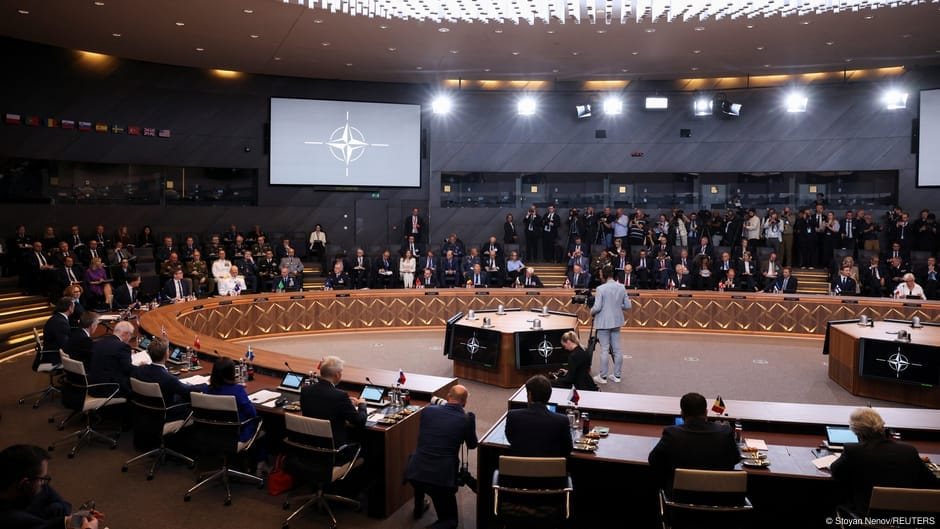
Russia has reportedly asked NATO to withdraw its troops and military bases from large parts of Central and Eastern Europe and return them to where they stood in 1997, according to DW News, citing a report by The New York Times.
The demand is contained in a document dated November 10 that Russian representatives presented during talks in Abu Dhabi on ending the war in Ukraine. Besides the rollback of NATO forces, the paper reportedly calls for Western countries to stop supplying weapons to Ukraine.
What the 1997 benchmark means
The Kremlin uses 1997 to mark the alliance as it was before its first eastward enlargement. NATO then had 16 members. Poland, the Czech Republic and Hungary had been invited to join but only became full members two years later. Other states in Central, Eastern and Southeastern Europe followed, and most recently Scandinavian countries. The alliance now counts 32 members across Europe and North America.
According to the report, Moscow is not explicitly asking the newer members to leave NATO. Instead, it wants the alliance to end its military presence on their territory.
Impact on regional defences
DW News notes that such a pullback would sharply weaken the defences of countries that joined after 1997. Since 2004, allies including Germany have rotated fighter jets to police the skies over Estonia, Latvia and Lithuania, which have no combat aircraft of their own. That mission has since been folded into a wider air defence presence.
A withdrawal would also halt the planned deployment of a German brigade in Lithuania, due to be fully operational by the end of 2027. In Romania, the Mihail Kogalniceanu Air Base near Constanța on the Black Sea is being expanded and is expected to become NATO's largest air base in Europe by area, surpassing Ramstein in Germany.
Leaders reject the demand
Polish Prime Minister Donald Tusk told TVP World that Warsaw would not allow new security rules for the region to be set over the heads of Poland and Europe. Bulgaria's Rumen Radev described a NATO withdrawal as unthinkable and unrealistic, arguing that no country should be pressured into reversing its choice of alliance.
Estonian Prime Minister Kristen Michal was equally dismissive. "We have nothing to discuss with Russia about Europe's security order; it is working well," he said.
Behind the firm public stance, however, DW News reports that there is concern along NATO's eastern flank that a deal between Washington and Moscow could turn the region's security into a bargaining chip.
Deterrence and treaty commitments
Under Article 5 of NATO's founding treaty, members must come to the aid of an ally under armed attack, with each deciding what measures to take. Allied troops stationed in the east are meant to convince a potential aggressor that the alliance can respond quickly. Removing them, DW News notes, could lead Moscow to conclude that attacking NATO territory carries fewer risks.
NATO also cites Article 10 of its treaty, which sets out its open-door policy. The 1997 NATO-Russia Founding Act stated that neither side could veto the other's decisions, while the 1990 Charter of Paris, signed by the Soviet Union, affirmed each country's right to choose its own security arrangements.
Russia has long argued that NATO expansion breached Western assurances given during German reunification talks. While US and German officials at the time used language suggesting limits on expansion, no binding written promise was ever agreed.
Echoes of pre-invasion demands
The latest demand mirrors draft treaties Moscow sent to the United States and NATO just over two months before its full-scale invasion of Ukraine, which sought an end to enlargement and limits on deployments beyond levels of May 27, 1997.
The Kremlin insists the "root causes" of the war, which it says include NATO's eastward growth, must be addressed. So far, no major Western player has signalled willingness to accept the demands. Former Polish intelligence coordinator Stanislaw Zaryn described the talks as an attempt by Moscow to buy time and weaken the West ahead of another confrontation.
This story was prepared by the Hamasta Newsdesk with AI assistance, based on reporting by DW News. Read the original report. Photo: DW News.



Know what people say about you.
Media monitoring, audience insights and strategic communication for your brand.


More in International
See all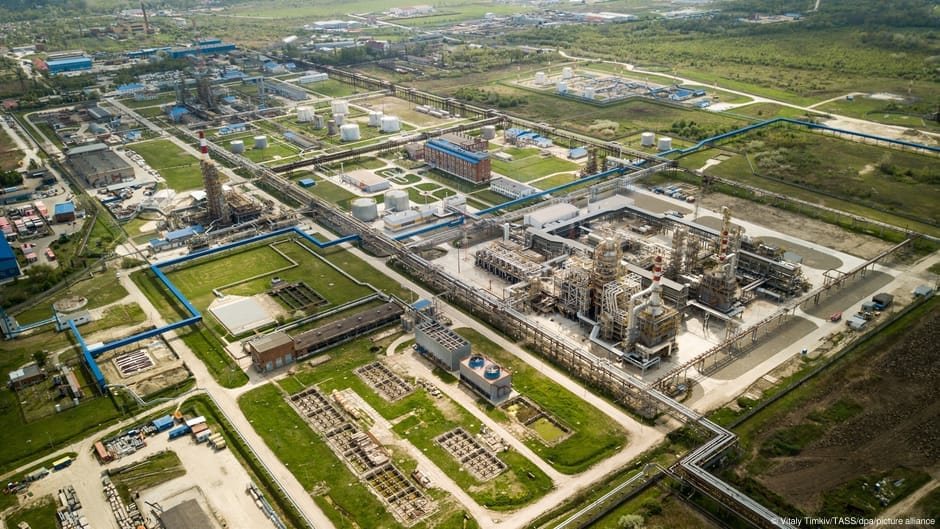
Ukraine reportedly hits Krasnodar oil refineries a day after Kerch bridge strike

Family seeks embassy help as Kenyan man goes missing in freezing Belarus forest
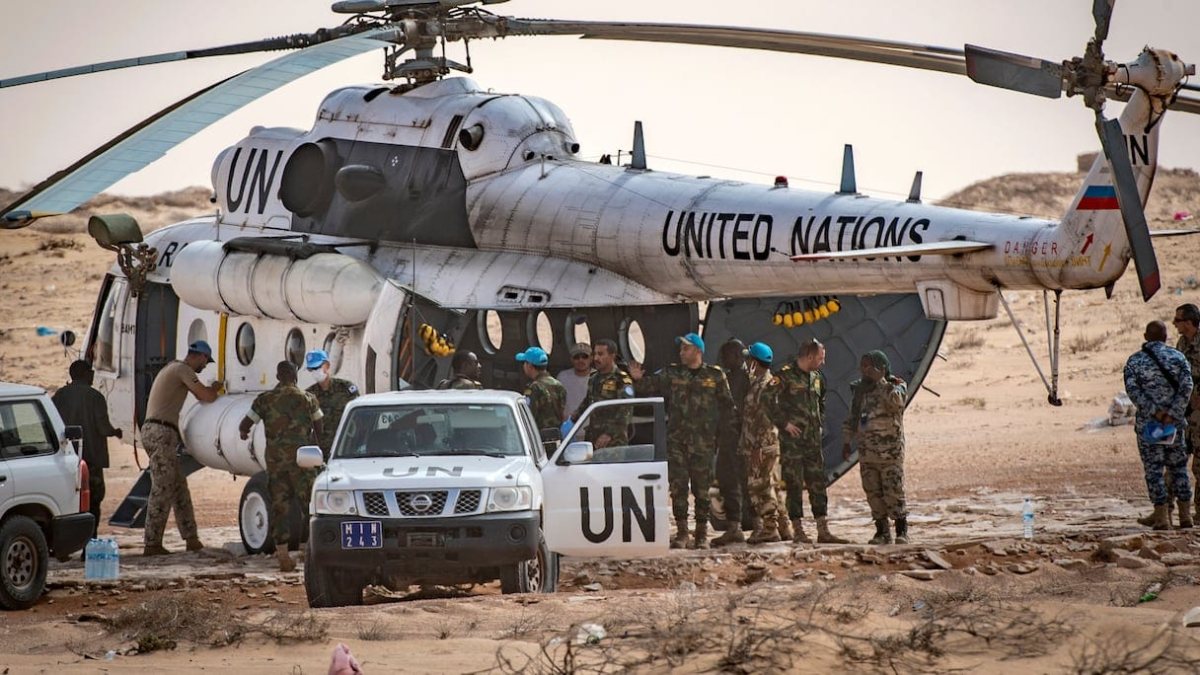
First MINURSO contingent leaves Laayoune as UN mission begins phased withdrawal
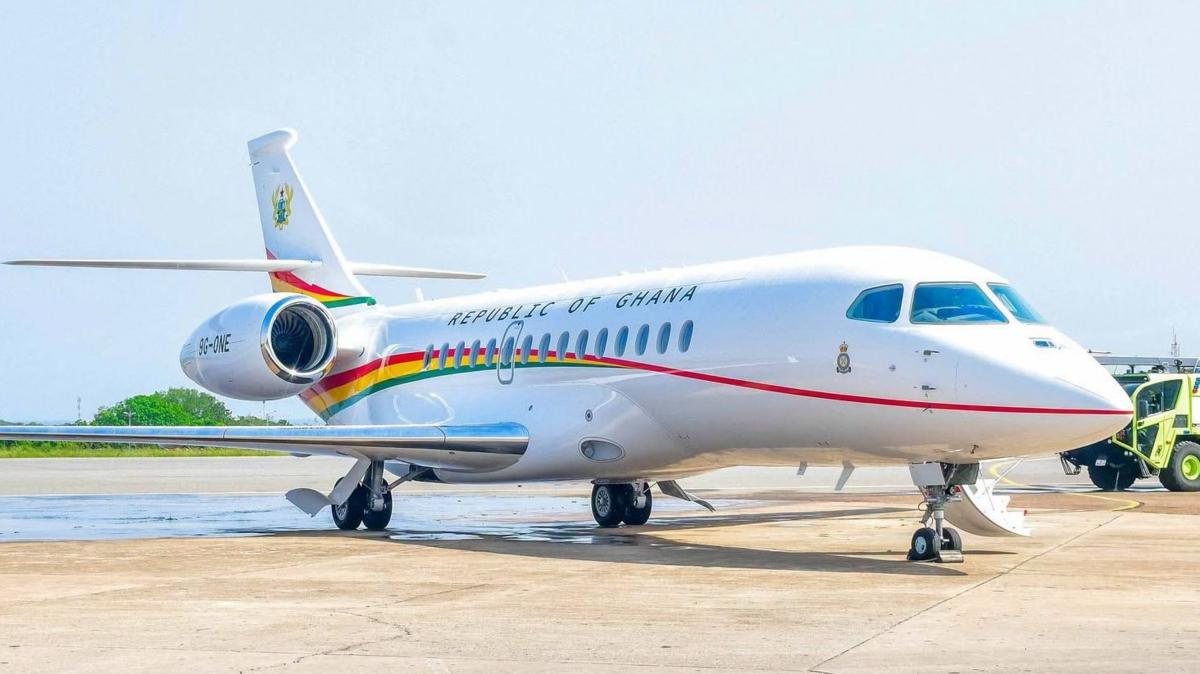
Ghana defends $60m presidential jet as critics cite cost-of-living strain
Xi says China and Russia should lead push for multipolar world at APEC summit
Global Community Remarks
0