
Kosovo's Hashim Thaci gets extra 17 months for witness tampering in The Hague
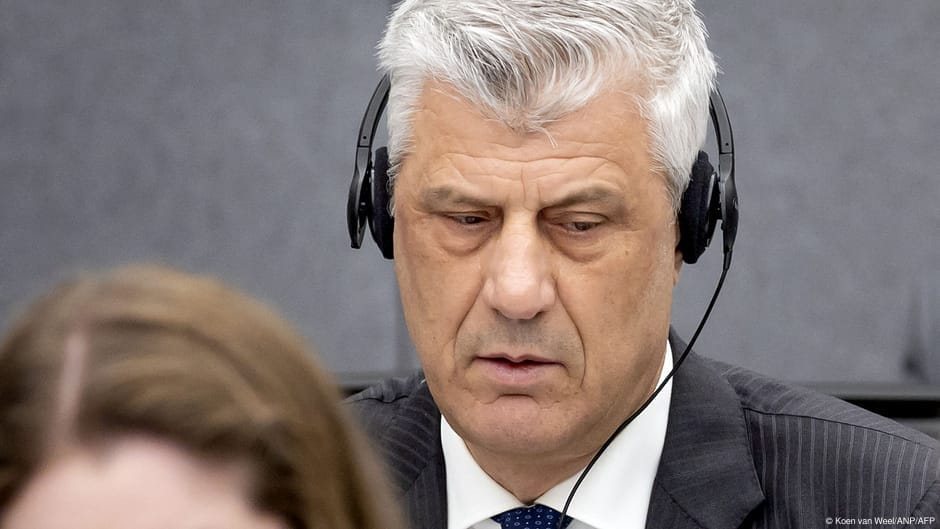
A court in The Hague has convicted former Kosovo President Hashim Thaci of obstructing justice and trying to sway witnesses during his war crimes trial, adding 17 months to the 25-year prison term he received in September, according to DW News.
The ruling, delivered on Tuesday by the Kosovo Specialist Chambers, is Thaci's second conviction by the same court. It has renewed a heated debate in Kosovo over the tribunal, its legitimacy and the legacy of the 1998-1999 war with Serbia.
Confidential witness details
Prosecutors from the Specialist Prosecutor's Office said Thaci passed confidential information about witnesses in his war crimes case to people who visited him at the detention facility in The Hague. He was also accused of telling them how to influence the witnesses' testimony.
Three other men were convicted alongside him: Bashkim Smakaj, a former head of the Kosovo Intelligence Agency; Hajredin Kuci, a former justice minister; and Fadil Fazliu.
The court sentenced Thaci to 25 years for war crimes on September 16. That verdict, a first-instance judgment, was met with anger and dismay in Kosovo, where many regard him as a hero for leading the Kosovo Liberation Army (KLA) politically during the war.
Government questions fairness
In a statement on Tuesday, Kosovo's government stressed its commitment to the rule of law while insisting on full respect for procedural rights. It said justice "must not only be done, but must also be fair, transparent, and credible."
Following the September verdict, the authorities set up a working group, chaired by Foreign Minister Glauk Konjufca and including members of parliament, to shape a strategy for the appeal. Prime Minister Albin Kurti has said the group still regards the first-instance judgment as unjust both legally and morally, and that the government is seeking a correction at the appeals stage.
Proposed changes to the court's law
Kosovo's parliament is also considering amendments to the law that governs the Specialist Chambers. The draft, which is expected to pass, would narrow the court's mandate in several ways, including:
- limiting the time period covered by its jurisdiction;
- capping prison sentences at 15 years;
- allowing convicts to serve their sentences in Kosovo;
- introducing presidential pardons for those convicted by final decisions.
The court was created in 2015 by Kosovo's parliament at the urging of the European Union and the United States to investigate serious crimes allegedly committed by KLA members during and after the war. It sits in the Netherlands for security reasons, including fears of witness intimidation.
Experts urge caution
Political analyst and university professor Artan Muhaxheri told DW News that, seen from abroad, the legislative move could at first glance look like interference in the judicial process. He said Kosovo's politicians and legal experts must show clearly that the changes do not clash with the country's international obligations to the EU, and argue issues such as jurisdiction and sentence limits rigorously to demonstrate that judicial independence is protected.
Ehat Miftaraj, executive director of the Kosovo Law Institute, said the way the proceedings had unfolded gave the impression that judges, prosecutors and some international actors had treated both the accused and Kosovo itself with distrust and condescension. He added that reactions in Kosovo are shaped by the emotional and historical weight of the war.
Still, Miftaraj drew a line between legitimate criticism and attempts to undermine the court. Every citizen has the right to criticise judicial decisions, he said, but there is a fundamental difference between legal argument and efforts to delegitimise courts or influence proceedings, adding that there was room for criticism of both sides.
This story was prepared by the Hamasta Newsdesk with AI assistance, based on reporting by DW News. Read the original report. Photo: DW News.


Take your event live to thousands.
Multi-camera live streams, panel discussions and digital broadcasts with professional crews.




More in International
See all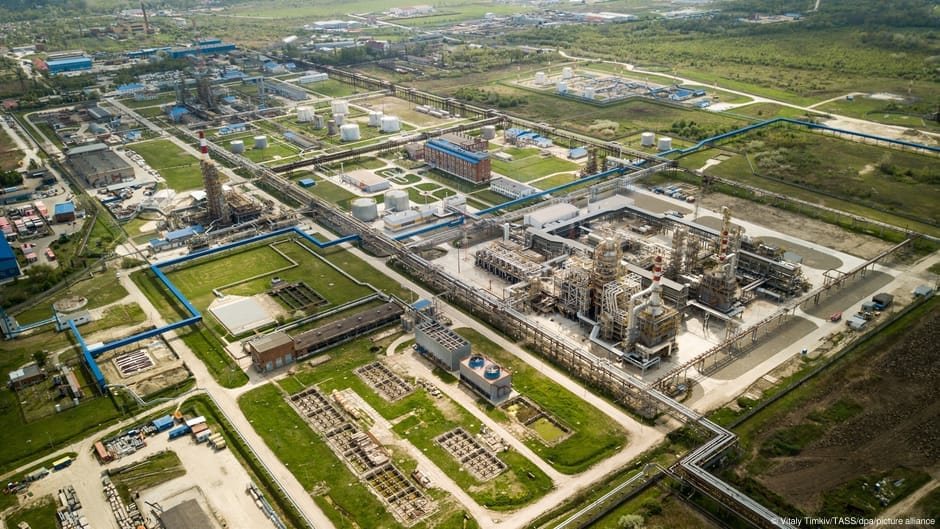
Ukraine reportedly hits Krasnodar oil refineries a day after Kerch bridge strike
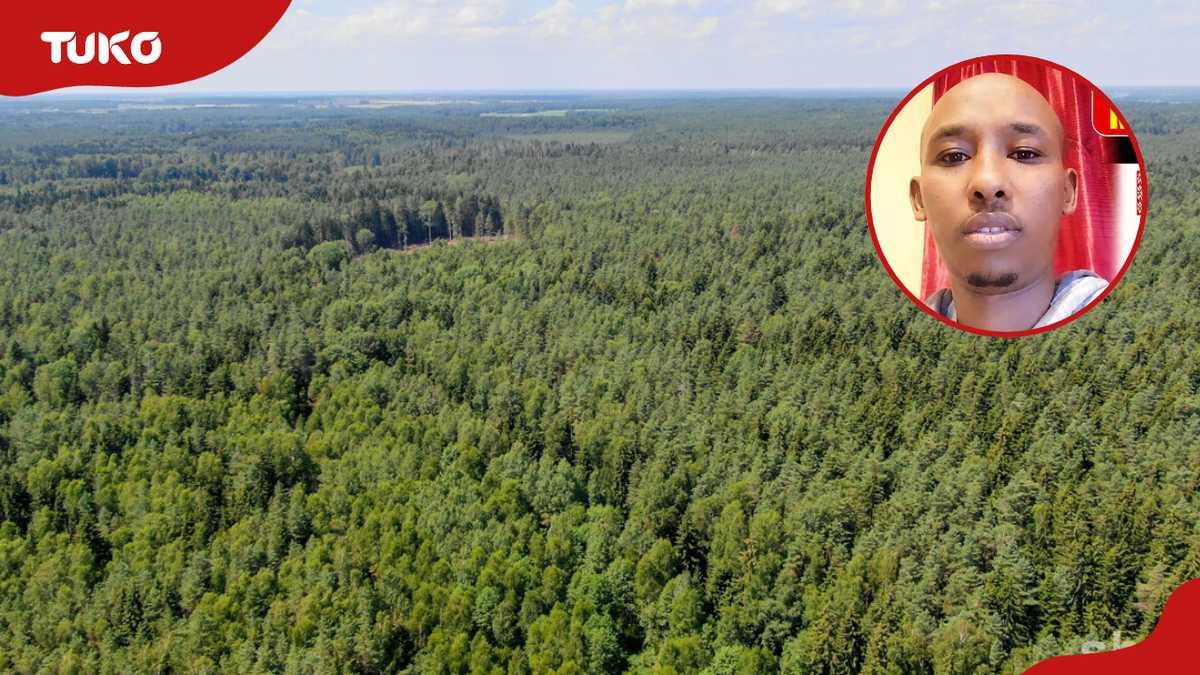
Family seeks embassy help as Kenyan man goes missing in freezing Belarus forest
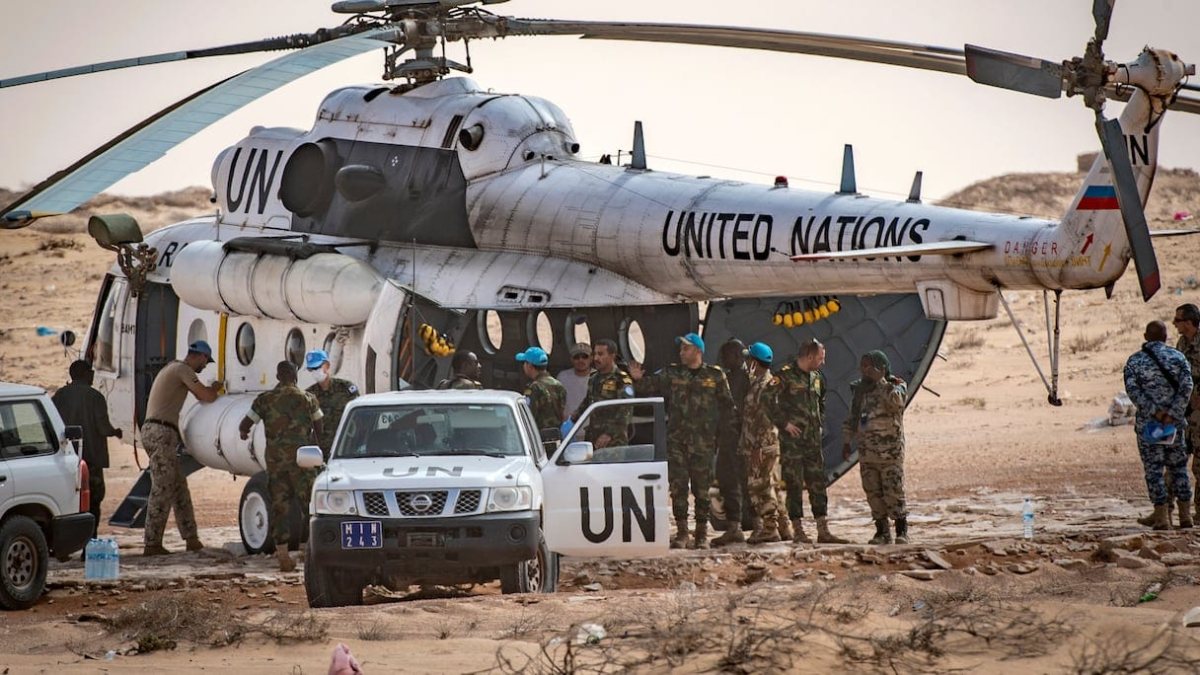
First MINURSO contingent leaves Laayoune as UN mission begins phased withdrawal
Ghana defends $60m presidential jet as critics cite cost-of-living strain
Xi says China and Russia should lead push for multipolar world at APEC summit
Global Community Remarks
0