
Serbia's student-led movement takes its seats as new parliament convenes
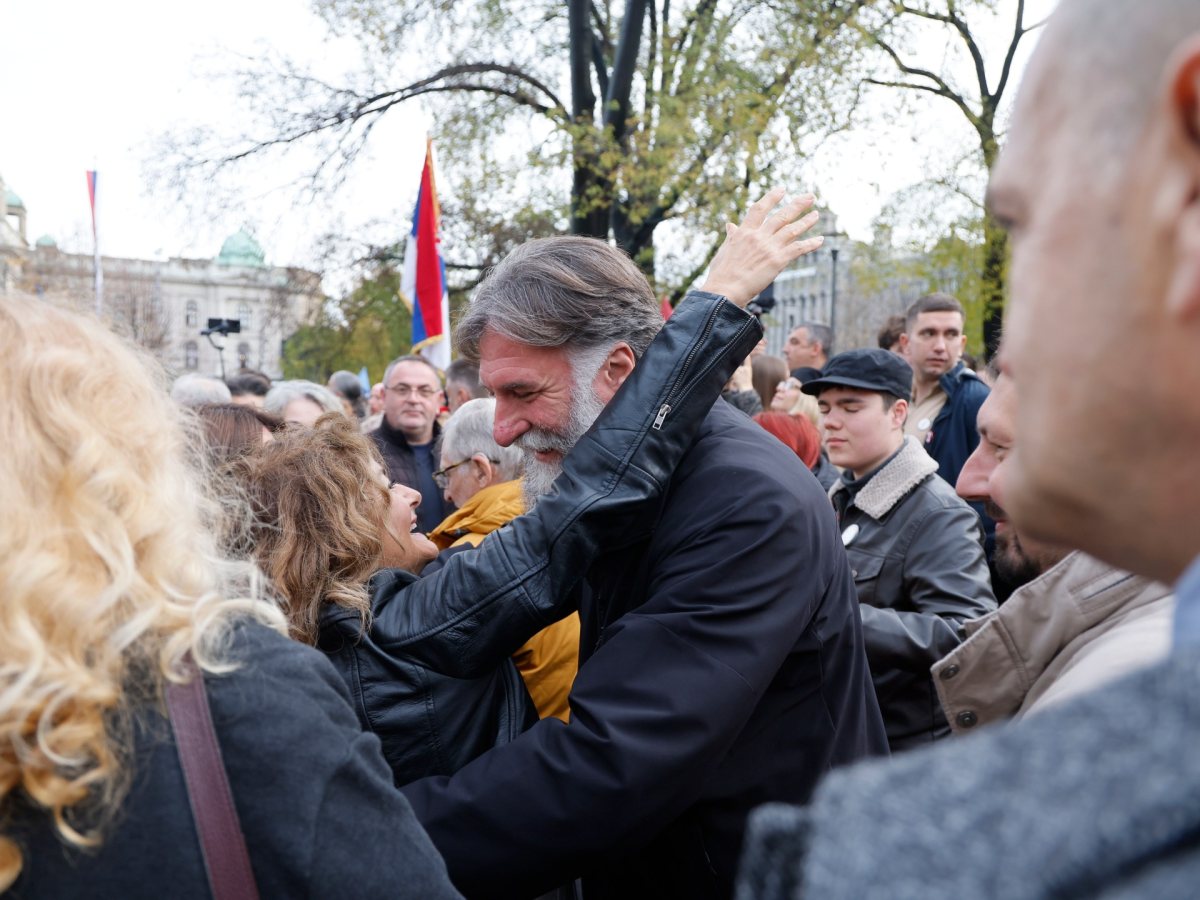
Serbia's new parliament met for the first time on Tuesday in Belgrade, with lawmakers from a grassroots, student-led movement that won last month's election cheered by hundreds of supporters as they arrived at the National Assembly, according to Al Jazeera.
The Student List won 140 of the 250 seats in the October 25 vote, giving it a majority. President Aleksandar Vucic's Serbian Progressive Party (SNS) took 104 seats. Al Jazeera reports that the movement was backed by 2.3 million citizens, a result that reshaped the country's political landscape and ended the SNS's hold on power.
A day of formalities
Until a speaker is chosen, the session is chaired by the oldest member of parliament, supported by the four youngest MPs from the largest electoral lists. A new speaker could be named later on Tuesday.
The agenda is set by law. Lawmakers must verify their mandates using a report from the Republic Electoral Commission, take the oath of office and elect a speaker and deputy speakers. They must also appoint a secretary-general and set up parliamentary committees and permanent delegations to international bodies.
Aleksandar Cupic, an incoming Student List MP and assistant professor in engineering, told reporters before the session that the new lawmakers needed to show institutional maturity. He said the group did not intend to spend hours promoting its candidate for speaker and felt it owed citizens a prompt vote. He added that consultations between political groups had been calmer than reports suggested.
Tensions outside
The mood outside the assembly was not entirely festive. A woman threw yoghurt over Lidija Vukicevic, a well-known actress who supports the SNS, and the crowd booed Vucic as he walked into the building, Al Jazeera reported.
Before the sitting, a student group at the Higher School of Civil Engineering and Geodesy in Belgrade wrote an open letter to the new lawmakers. It reminded them of their responsibilities and criticised the long-standing view of top state posts as comfortable positions, urging MPs to remember that they had been elected by the people.
A 90-day deadline
The swearing-in starts a constitutional clock. Parliament has 90 days to elect a new government. If it fails to vote in a cabinet within that time, the constitution requires the National Assembly to be dissolved and snap elections called.
Political analyst Djordje Vukadinovic told Al Jazeera that he would avoid making predictions, noting that the stance of the current opposition was hard to anticipate. He said the day marked only the beginning of forming a new government and that not everything would be settled immediately.
Regional and European attention
The developments are being followed closely across the Balkans and in European and wider international circles. Observers say Serbia's new leaders will have to rebuild cooperation with neighbouring states and the European Union, relationships that have been strained in recent years.
Speaking at the EU Enlargement Forum in Brussels, Student List representative Aleksandar Baucal said the peaceful transfer of power was just the start.
"Changing power through non-violent and democratic means is only the first step," Baucal said.
He said Serbia now had to rebuild institutions that prevent the personalisation of power and serve all citizens regardless of how they voted, and expressed confidence that news from the country would be largely positive from now on.
The European Democratic Party also commented on the eve of the session, saying Serbia needed to heal recent wounds through truth, justice and accountability. It said the sitting would test whether the country was ready for institutional reform.
This story was prepared by the Hamasta Newsdesk with AI assistance, based on reporting by Al Jazeera. Read the original report. Photo: Al Jazeera.


Grow an audience that listens.
Social media management, digital campaigns and online storytelling that converts.



More in International
See all
Ukraine reportedly hits Krasnodar oil refineries a day after Kerch bridge strike
Family seeks embassy help as Kenyan man goes missing in freezing Belarus forest
First MINURSO contingent leaves Laayoune as UN mission begins phased withdrawal

Ghana defends $60m presidential jet as critics cite cost-of-living strain
Xi says China and Russia should lead push for multipolar world at APEC summit
Global Community Remarks
0