
Canada and China widen tariff relief as Carney and Xi meet at APEC in Shenzhen
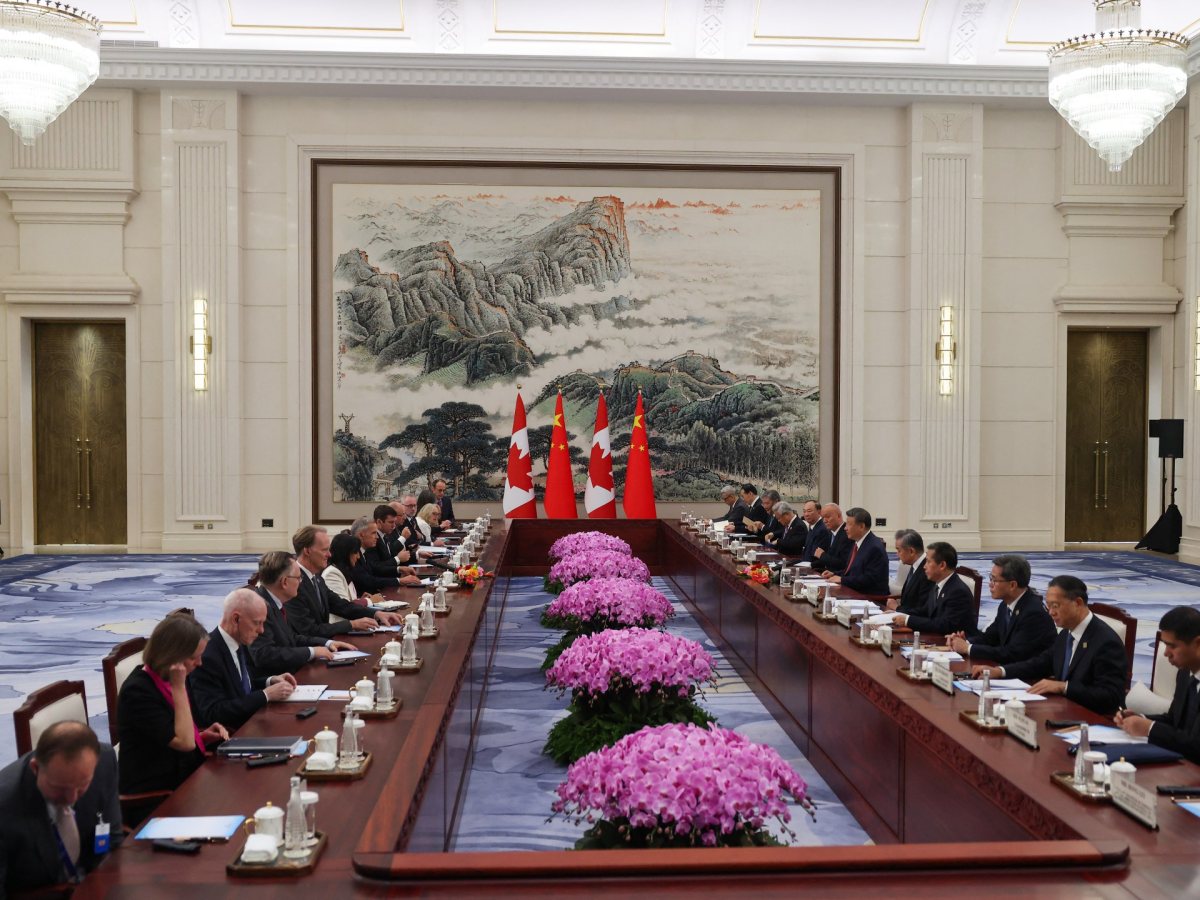
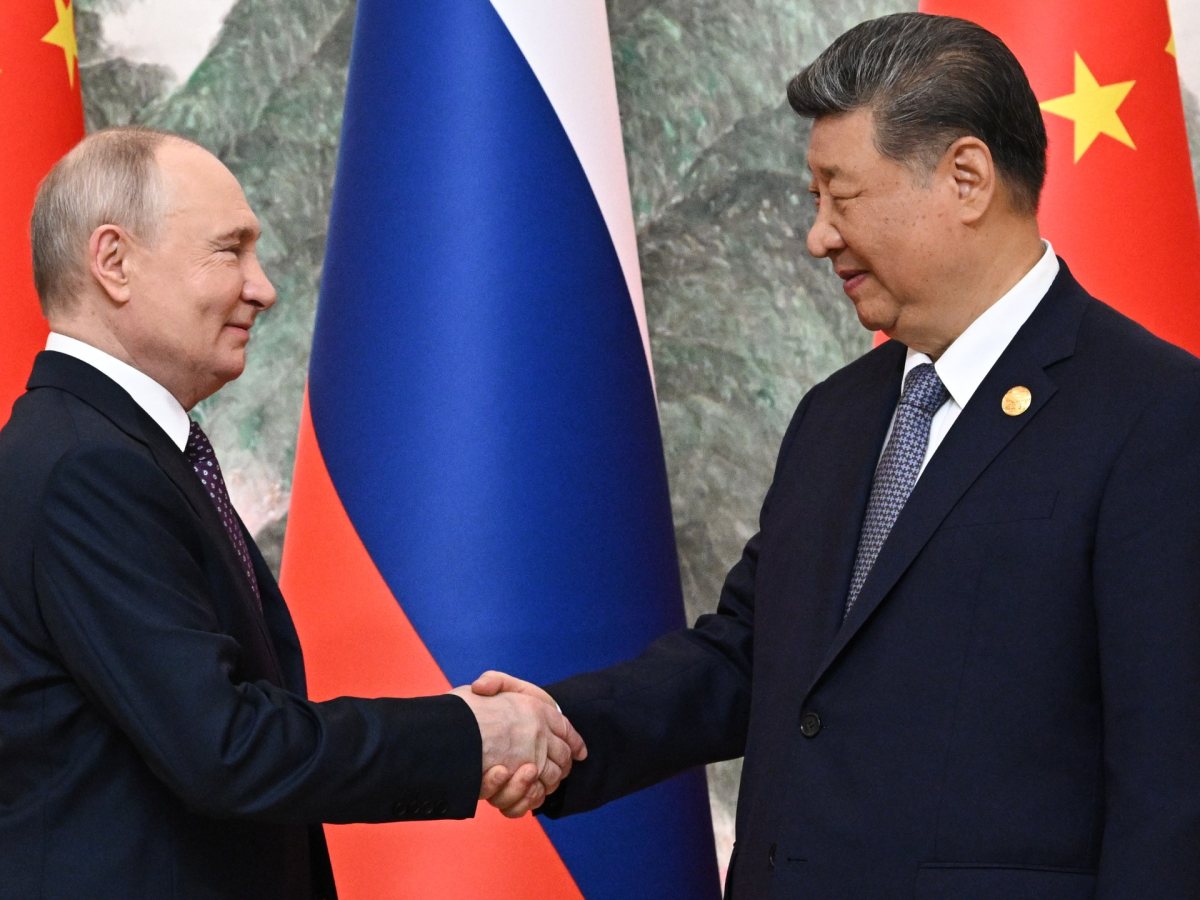
Canada and China have agreed to lower tariffs on a wider range of goods after Prime Minister Mark Carney met Chinese President Xi Jinping in Shenzhen on Tuesday, as Ottawa pushes to reduce its reliance on the United States amid President Donald Trump's tariffs, according to Al Jazeera.
The two leaders held talks on the sidelines of the Asia-Pacific Economic Cooperation (APEC) summit and announced fresh tariff remissions. The measures build on a deal they struck in January aimed at opening up trade and mending a strained diplomatic relationship.
What each side is offering
According to a statement from Carney's office, China will grant tariff relief on Canadian exports worth roughly 400 million Canadian dollars ($280m). Frozen pork and seafood are among the products covered.
In return, Canada will maintain existing tariff exemptions on certain Chinese steel and aluminium products for two more years. Ottawa will also extend remissions to an additional 32 steel and aluminium items that are in short supply domestically.
Xi said closer ties benefited both nations and contributed to global stability and prosperity. Carney welcomed what he described as greater predictability in relations with Beijing, adding that Canada was running ahead of its target of growing exports to China by 50 percent by the end of the decade.
Building on January's deal
The January agreement saw Canada slash its 100 percent tariff on Chinese electric vehicles to 6.1 percent, with an initial quota of 49,000 vehicles a year. That limit is scheduled to climb to 70,000 over five years.
China, for its part, agreed to reduce duties on Canadian farm produce. It recently extended relief on canola meal, peas, lobster and crab for a further two years.
Tensions with Washington
Tuesday's announcement came a day after Carney suggested Canada could look to Chinese carmakers if negotiations with Washington fail to preserve the tightly linked North American auto sector.
Speaking to reporters in Cambodia on Monday, Carney said Canada wanted its auto workers fully employed within an integrated North American market, but argued that US trade actions had made that market less integrated.
His remarks drew a sharp response from White House trade adviser Peter Navarro, who questioned whether Carney was threatening to play China against the US.
"This is offensive in the extreme," Navarro said.
Navarro added that Carney ought to be more concerned that China would "eat Canada alive".
Diversifying trade beyond the US has become a cornerstone of Carney's economic agenda, with Trump's tariffs hurting Canadian industries including car manufacturing, steel and aluminium.
Trade negotiations between Ottawa and Washington collapsed in August. However, Carney said on Saturday that he had spoken with Trump and senior US officials, and that although differences persisted, there had been progress towards a possible agreement.
Mexico ties reaffirmed
Also on Tuesday, Carney met Mexican President Claudia Sheinbaum. According to Carney's office, both countries reaffirmed their commitment to renewing the Canada-United States-Mexico Agreement, the trade pact governing commerce across North America.
The meeting came a year after Carney's visit to Mexico, when the two countries launched a strategic partnership. The leaders agreed to continue expanding bilateral trade and investment, pointing to a 19 percent rise in merchandise trade during the first nine months of this year compared with the same period last year.
This story was prepared by the Hamasta Newsdesk with AI assistance, based on reporting by Al Jazeera. Read the original report. Photo: Al Jazeera.


Take your event live to thousands.
Multi-camera live streams, panel discussions and digital broadcasts with professional crews.




More in International
See all
Ukraine reportedly hits Krasnodar oil refineries a day after Kerch bridge strike

Family seeks embassy help as Kenyan man goes missing in freezing Belarus forest
First MINURSO contingent leaves Laayoune as UN mission begins phased withdrawal
Ghana defends $60m presidential jet as critics cite cost-of-living strain
Xi says China and Russia should lead push for multipolar world at APEC summit
Global Community Remarks
0