
Iran's Quds Force chief Qaani in Iraq as Kataib Hezbollah standoff deepens
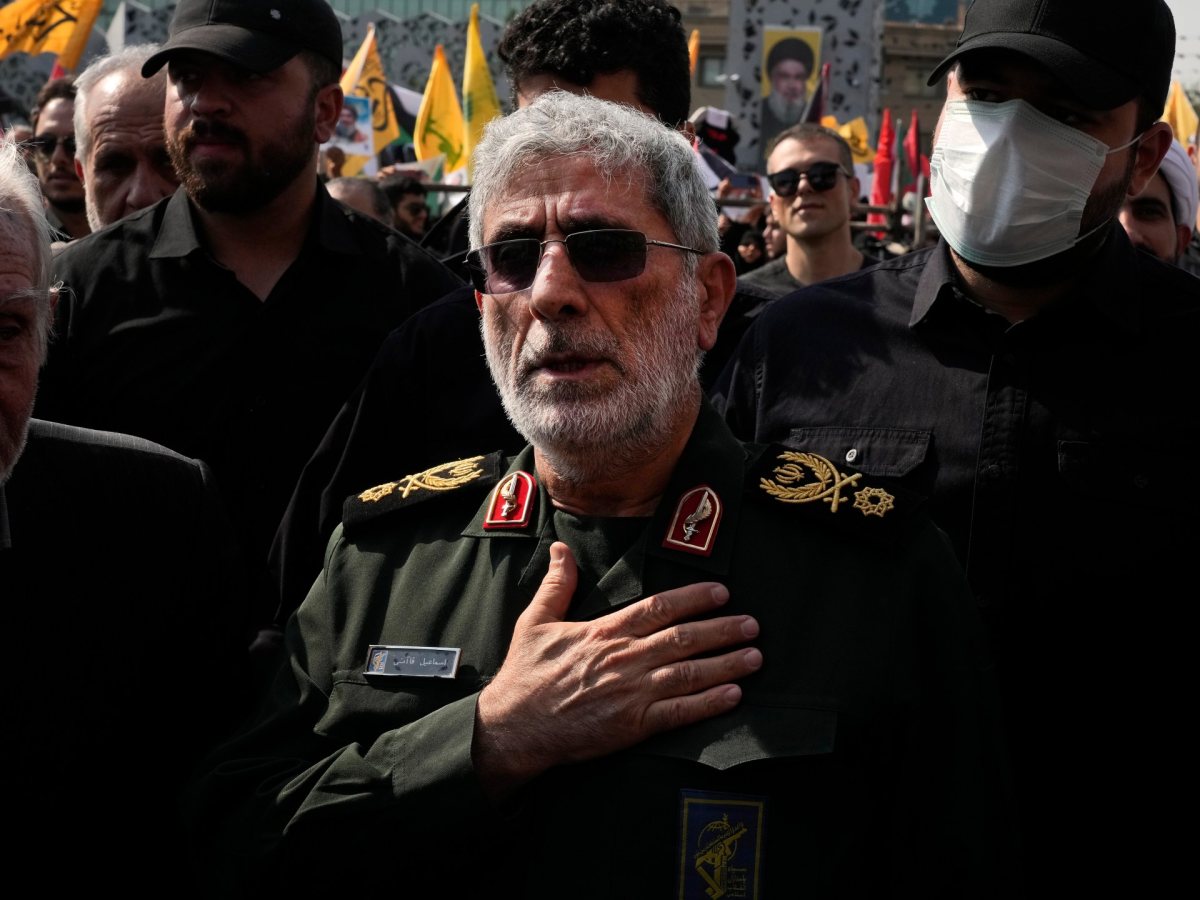
The head of the Quds Force of Iran's Islamic Revolutionary Guard Corps (IRGC), Esmail Qaani, has travelled to Iraq in an apparent bid to defuse a growing confrontation between the Iraqi government and the powerful armed group Kataib Hezbollah, an Iraqi official has told Al Jazeera.
The standoff centres on Jurf al-Nasr, a town near Baghdad in central Iraq that serves as a stronghold for the pro-Iranian group, and on a government investigation into suspected oil smuggling there.
Talks with prime minister and Shia bloc
According to the official, Qaani met Prime Minister Ali al-Zaidi and held separate meetings with members of the Coordination Framework, the umbrella grouping of Shia parties in the Iraqi parliament, with the aim of brokering an agreement.
The same source told Al Jazeera that a judicial committee has so far failed to secure the armed factions' consent to enter the area.
Al Jazeera's correspondent in Iraq reported that at least three leaders of the Coordination Framework have rejected any armed clash, or any entry of federal forces into the town, until a political understanding has been reached with Kataib Hezbollah.
Pipelines allegedly tapped
The dispute intensified after a leaked intelligence report last week stated that two strategic oil pipelines passing through Jurf al-Nasr had effectively been tapped into. The town is also alleged to host illicit oil refineries.
Baghdad has since launched a broad anti-corruption drive focused on the area. Officially, the campaign is presented as an effort to protect public money from a far-reaching smuggling network.
However, some analysts believe the operation is a deliberate strategy to cut off funding to pro-Iranian armed groups that have refused to be absorbed into state structures, according to Al Jazeera.
Troops ordered to deploy
On Monday, al-Zaidi instructed military and security commanders to send extra forces to the outskirts of the town and to prepare for government troops to move in, a step that could put the state in direct confrontation with the group.
Security agencies have also been ordered to stop tankers carrying oil or petroleum products from leaving the area.
A senior Iraqi official earlier told Al Jazeera that Kataib Hezbollah had been given until Friday to leave Jurf al-Nasr.
Group vows not to withdraw
Kataib Hezbollah has signalled it has no intention of complying. A commander from the group told the AFP news agency that its withdrawal from the town would not happen, "not even over our dead bodies."
On Sunday, the group denied the smuggling allegations, saying an inspection had found no interference with the pipelines. It accused the government of fabricating claims and of mounting what it described as a large-scale blackmail campaign intended to force it to give up its weapons.
In recent statements, the group has also attacked the prime minister directly, accusing him of corruption and issuing threats against his government.
Wider disarmament push
Kataib Hezbollah is one of dozens of armed groups that hold semi-official status in Iraq. Since taking office, al-Zaidi has pledged that such groups will surrender their weapons to the state.
Qaani's visit highlights Tehran's continuing influence over Iraq's armed factions and its interest in preventing an open clash between Baghdad and one of its closest allies in the country. It remains unclear whether his talks have produced any agreement ahead of the reported Friday deadline.
This story was prepared by the Hamasta Newsdesk with AI assistance, based on reporting by Al Jazeera. Read the original report. Photo: Al Jazeera.
Every moment, captured beautifully.
Events, corporate portraits, products and editorial shoots by our newsroom photographers.





More in International
See all
Ukraine reportedly hits Krasnodar oil refineries a day after Kerch bridge strike

Family seeks embassy help as Kenyan man goes missing in freezing Belarus forest
First MINURSO contingent leaves Laayoune as UN mission begins phased withdrawal
Ghana defends $60m presidential jet as critics cite cost-of-living strain
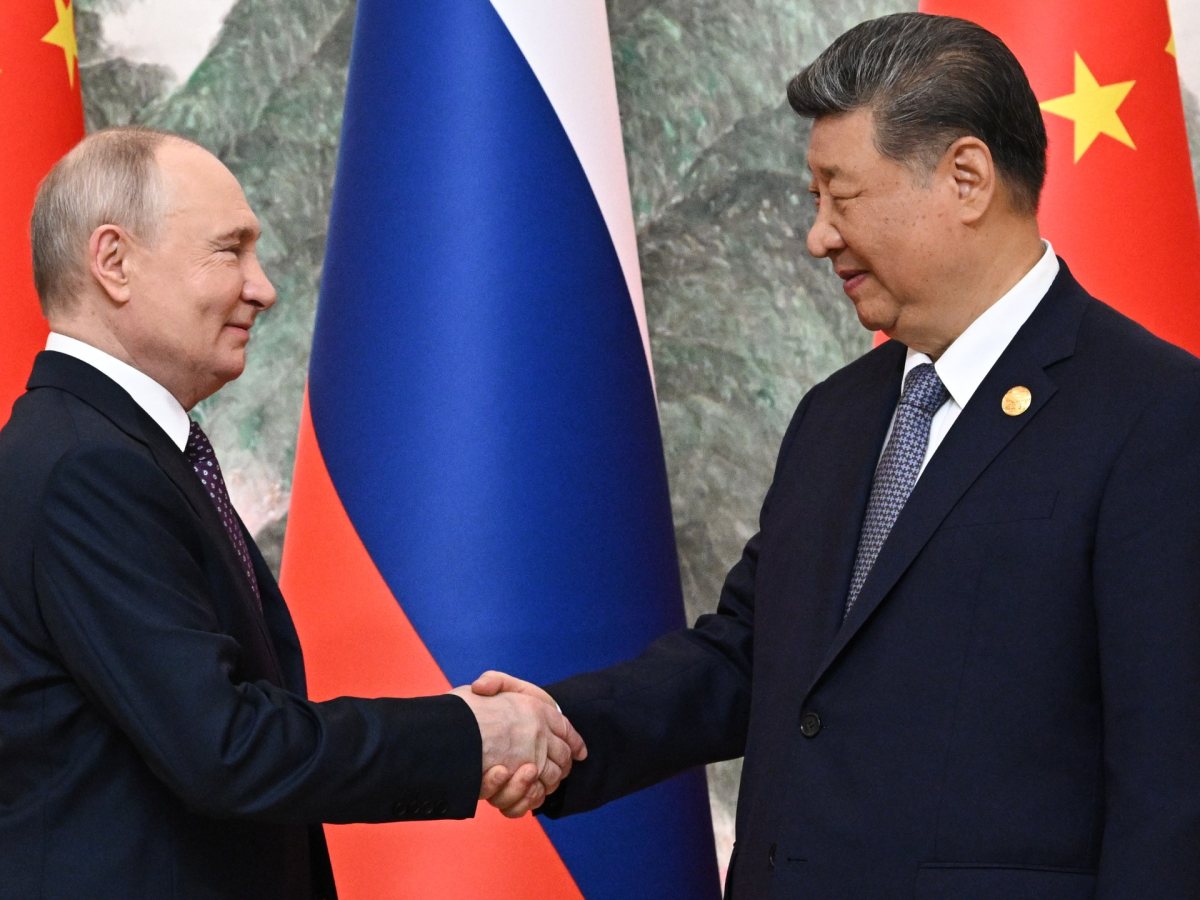
Xi says China and Russia should lead push for multipolar world at APEC summit
Global Community Remarks
0