
Trump faces scrutiny over $12bn in Venezuelan oil money as Democrats plan probes
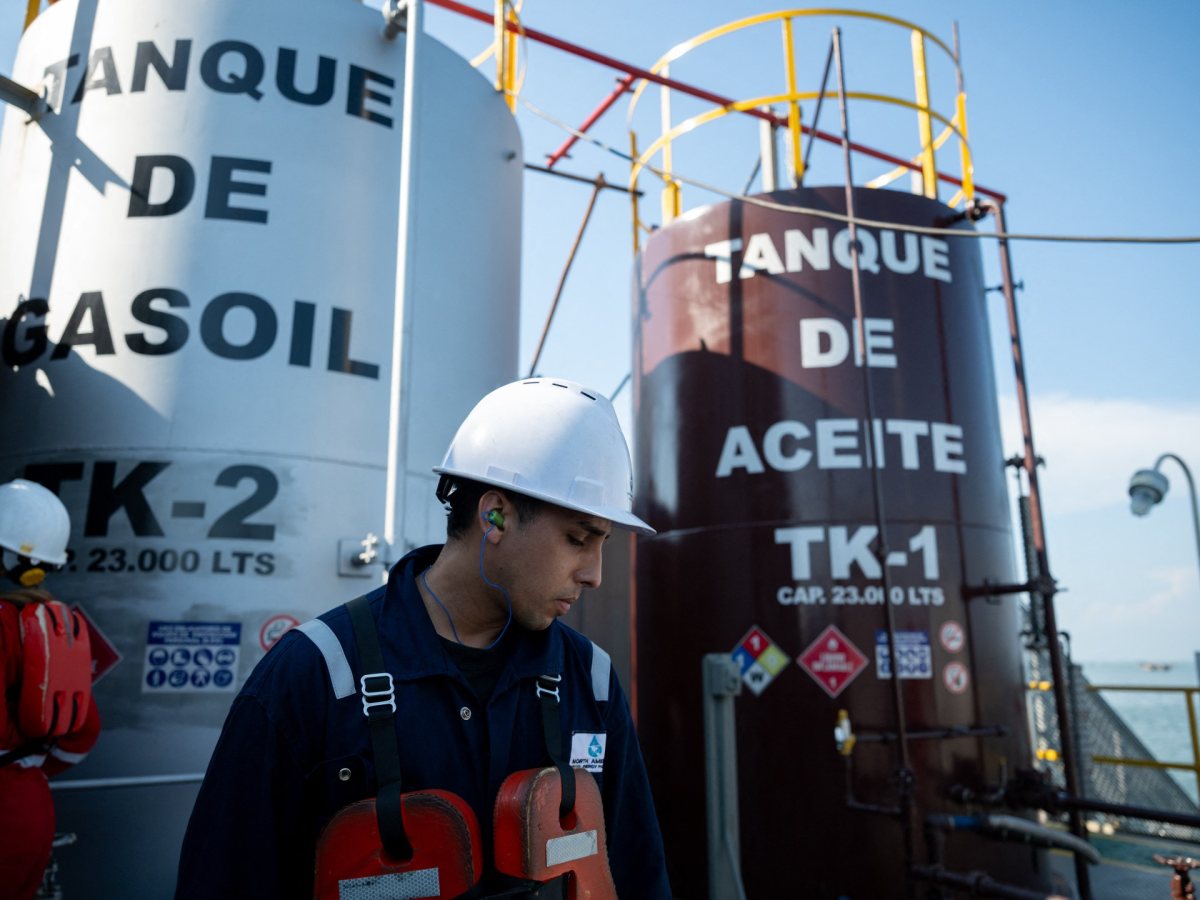
The administration of US President Donald Trump is under growing pressure to explain how it is managing billions of dollars earned from Venezuelan oil, with Democrats signalling they will open investigations once they take control of Congress in January, according to Al Jazeera.
Since January 3, Washington has controlled Venezuela's oil exports, channelling the proceeds into an account supervised solely by the US Treasury. A 53-page State Department report published last week showed that at least $12.11bn has flowed through that account this year.
Critics argue the document leaves out the most important information: the sources of the deposits and the identities of those receiving the money. Key sections were redacted.
Tyson Slocum, who heads the energy programme at the US consumer advocacy group Public Citizen, told Al Jazeera: "There's been zero transparency on all of the financial engineering." He said the report offered only a thin account of spending without naming the entities involved.
From tanker seizures to Maduro's removal
Concerns over Washington's intentions began late last year when the US started seizing tankers leaving Venezuela, with Trump saying the oil would be kept or sold. Officials described the cargo as compensation for losses suffered when Venezuela nationalised its oil industry decades ago.
On January 3, Trump authorised a military operation to seize Venezuelan President Nicolas Maduro, and openly linked the move to oil, saying some proceeds would go to the US as reimbursement. He later disclosed that he had spoken with oil companies before and after the operation.
Legal experts have questioned whether the operation breached Venezuela's sovereignty under international law, and whether taking another country's resources can be squared with a 1962 United Nations resolution affirming nations' permanent sovereignty over their natural resources. Supporters of the operation point to Maduro's record of violent repression and anti-democratic conduct.
Maduro has been succeeded by his former deputy, Delcy Rodriguez, who has largely gone along with Washington's demands. Former US ambassador John Feeley said Trump has shown no interest in Venezuela's democratic future, and described the relationship as a form of neocolonialism.
The 100-year oilfield deal
In late August, Trump announced that the US had secured majority control, under a 100-year agreement, of 17 Venezuelan oilfields holding proven reserves of 65 billion barrels. Operating rights went to North American Blue Energy Partners (NABEP), owned by Venezuelan businessman Alejandro Betancourt. The Pentagon took a 35 percent stake in the company, and the US is guaranteed 20 percent of output at cost.
Betancourt has been investigated in the US, Spain and Switzerland over money laundering allegations. A NABEP spokesperson told Al Jazeera he has never been charged with a crime anywhere and denies wrongdoing.
Opposition leader Maria Corina Machado said the contract fell short of the transparency Venezuelans want. Luis A Pacheco, a former executive at Venezuela's state oil company now with Rice University's Baker Institute, said selling oil on the open market helps Venezuela's economy, but dismissed NABEP as an obscure firm unlikely to deliver.
State Department defends report
A State Department spokesperson told Al Jazeera the report gives a complete accounting of the revenue, and that Venezuelan spending requests are checked against approved and prohibited categories. The money, the spokesperson said, supports public services, economic stability and the rebuilding of sectors including energy, health and infrastructure.
Feeley said it remains unknown what share of total deposits the $12bn represents, noting that most experts believe it is only a fraction. Pacheco said nothing prevents the US from disclosing where the money goes.
Democrats prepare oversight
Democrats won majorities in both the House and Senate in the November 3 midterm elections. In September, Democrats in both chambers had already asked the administration to release findings from KPMG, the accounting firm hired to audit the transactions.
Representative Joaquin Castro said he would use every available tool, including hearings, to uncover US activities in Venezuela. Representative Robert Garcia, expected to chair the House Oversight Committee, has vowed to identify companies profiting from the policy.
Trading firm Vitol could face scrutiny. Reuters reported that Vitol senior trader John Addison met Vice President JD Vance in Montana a week before the Caracas operation. Vitol later bought Venezuelan oil at a steep discount, and Addison and his wife gave $6m to Trump's 2024 campaign.
This story was prepared by the Hamasta Newsdesk with AI assistance, based on reporting by Al Jazeera. Read the original report. Photo: Al Jazeera.


Take your event live to thousands.
Multi-camera live streams, panel discussions and digital broadcasts with professional crews.




More in International
See all
Ukraine reportedly hits Krasnodar oil refineries a day after Kerch bridge strike

Family seeks embassy help as Kenyan man goes missing in freezing Belarus forest
First MINURSO contingent leaves Laayoune as UN mission begins phased withdrawal
Ghana defends $60m presidential jet as critics cite cost-of-living strain
Xi says China and Russia should lead push for multipolar world at APEC summit
Global Community Remarks
0