
Fighting rages in eastern DR Congo despite Washington and Doha peace talks
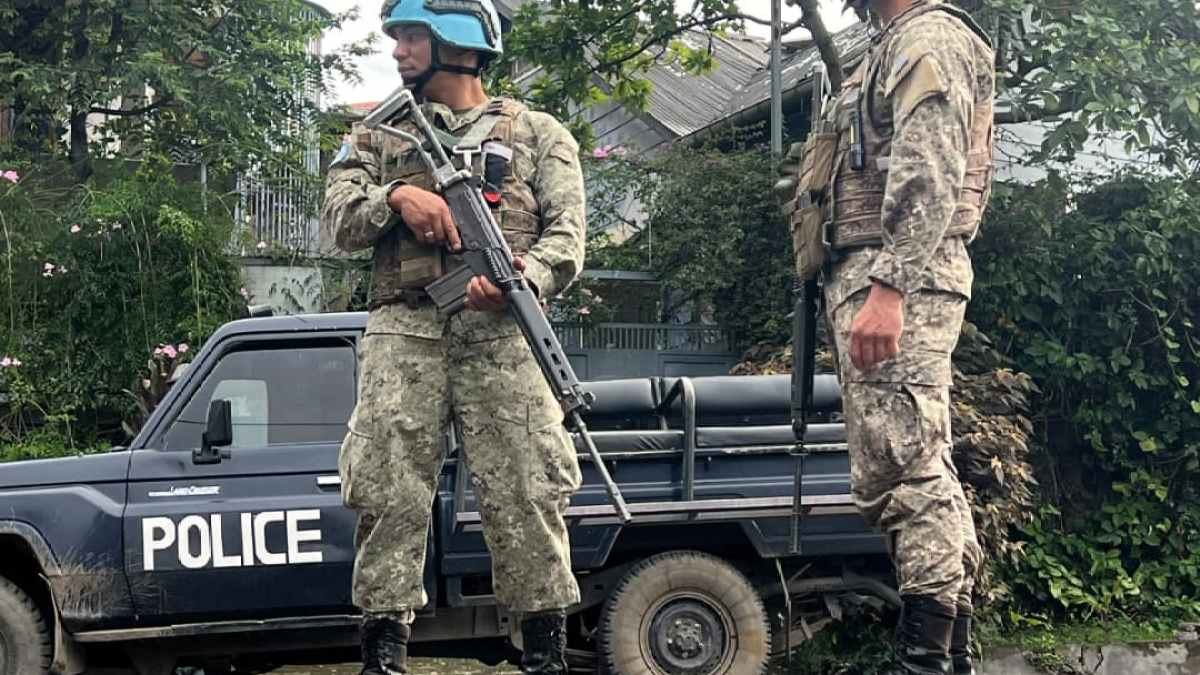
Fighting between the Democratic Republic of the Congo's army and an armed coalition led by former President Joseph Kabila has continued in the country's eastern provinces. Two separate international peace processes have so far failed to bring calm, according to Al Jazeera.
Residents of North and South Kivu say a string of diplomatic meetings in Washington and Doha has done little to stop attacks, displacement and the collapse of basic services in their communities.
"One meeting follows another, and they all end up being much the same," Blaise Chasumba, a resident of Bukavu, the South Kivu capital, told Al Jazeera. He said civilians were still losing relatives and homes.
Two tracks, two different disputes
The two diplomatic efforts deal with different parts of the conflict. The Washington Accords, signed in December 2025, focus on tensions between the DRC and neighbouring Rwanda.
The Doha process is meant to settle the conflict between Kinshasa and the Congo River Alliance (AFC), which includes the Rwanda-backed M23 armed group. The DRC government, the AFC and M23 signed the Doha Framework for a Comprehensive Peace Agreement on November 15, 2025.
In August 2026, the parties agreed on a road map to move the talks forward and set up a mechanism to review implementation. Qatar, the United States, Togo, the African Union Commission and Switzerland took part. The fighting did not stop.
A deal between Kinshasa and Kigali cannot, by itself, end the confrontation between the Congolese state and armed groups operating within its borders.
The picture grew more complex in October 2026, when the Front for the Refoundation of the Nation (FRN) was formed under Kabila's leadership. The FRN says it has replaced the AFC and taken on its commitments. That raises questions about exactly who is represented at the negotiating table.
November offensive
In early November, FRN fighters pushed through Kahuzi-Biega National Park and along National Road 3, a key route linking Bukavu with areas further north. Conflict monitoring reports said the fighters took several localities, including Bitale and the centre of Bulambika, on November 8.
The Congolese army, known as FARDC, said it had stopped the advance at Bulambika and was preparing a counteroffensive. Local and military accounts differed on how much ground the fighters had gained.
The army blamed recent attacks in both Kivu provinces on the Rwandan army and FRN-allied fighters. Rwanda denies backing armed groups in the DRC. It points to the presence of the Democratic Forces for the Liberation of Rwanda (FDLR) as a threat to its security.
In February 2025, the UN Security Council condemned M23's offensive and called on Rwanda to end its support and withdraw its forces from Congolese territory. The same resolution condemned Congolese forces' support for armed groups, particularly the FDLR.
Aid work disrupted
Doctors Without Borders (MSF) said it had reduced its staff in the Bunyakiri health zone as security worsened, moving some personnel to Bitale and Bukavu. In a statement to Al Jazeera, the group urged all sides to protect health facilities, civilians and aid workers under international humanitarian law.
Calls for wider dialogue
After a Peace and Security Council meeting on October 26, the African Union said implementation of the Washington and Doha commitments remained limited. It called for better coordination between the two initiatives and for an inclusive dialogue owned by Congolese people, including women, youth and civil society.
Dieumerci Mungu Akonkwa, North Kivu coordinator for Action for Democracy and Development in the Congo, told Al Jazeera the talks had brought no progress for civilians. He said people continued to be killed and displaced and that women were being raped.
He backed proposals by Catholic and Protestant church leaders for a national dialogue that would bring political actors and civil society into the process.
Decades-old roots
The conflict traces back to the 1994 genocide in Rwanda. Former Rwandan soldiers and militia members later fled into what was then Zaire. The First and Second Congo Wars followed in 1996 and 1998. Disputes over land, citizenship, political representation and natural resources have kept violence going since then.
M23 emerged in 2012 from a mutiny by former rebels who had been absorbed into the army under a March 23, 2009 peace deal. The group's leaders accused the government of failing to honour that agreement.
For Chasumba, the hope is for an end to the fighting and compensation for war damage. He said he expects a long and unpredictable road ahead.
This story was prepared by the Hamasta Newsdesk with AI assistance, based on reporting by Al Jazeera. Read the original report. Photo: Al Jazeera.
Every moment, captured beautifully.
Events, corporate portraits, products and editorial shoots by our newsroom photographers.





More in International
See all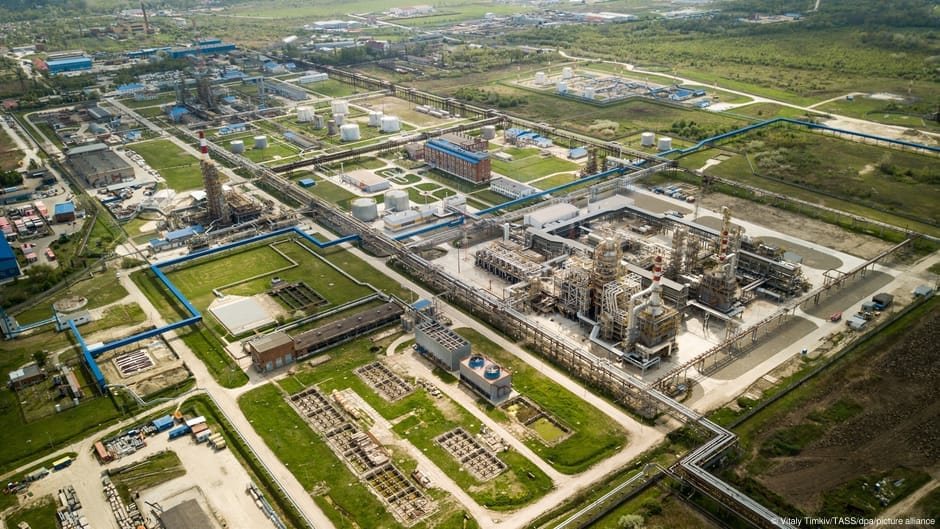
Ukraine reportedly hits Krasnodar oil refineries a day after Kerch bridge strike

Family seeks embassy help as Kenyan man goes missing in freezing Belarus forest
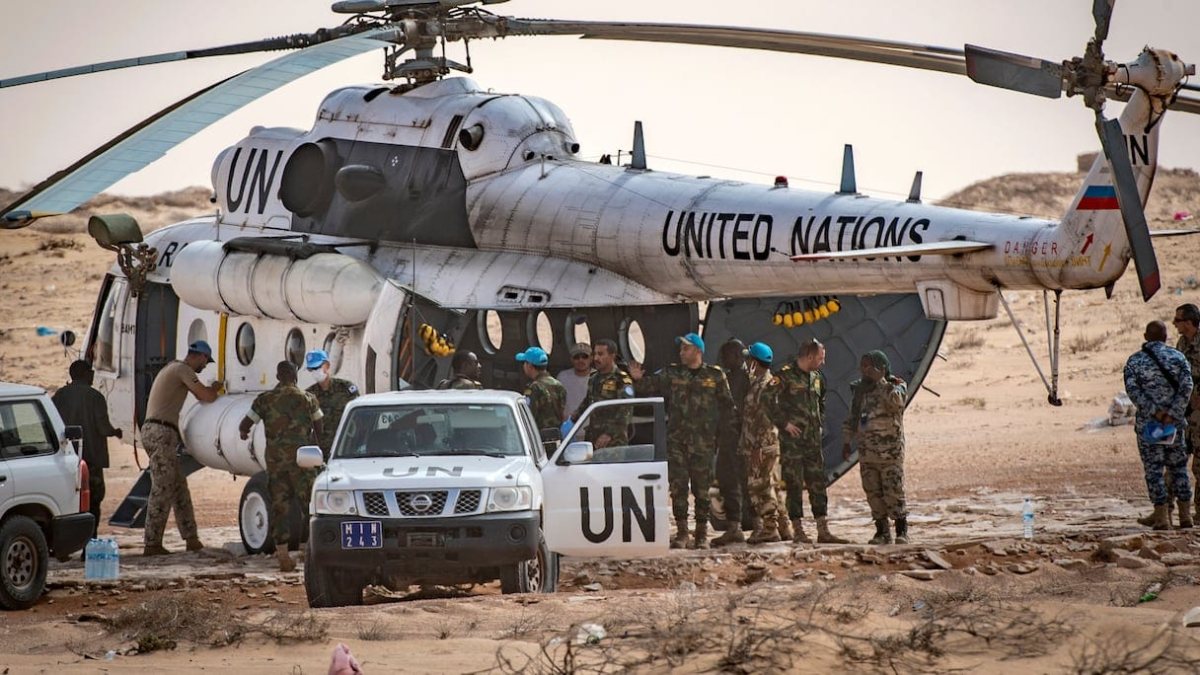
First MINURSO contingent leaves Laayoune as UN mission begins phased withdrawal
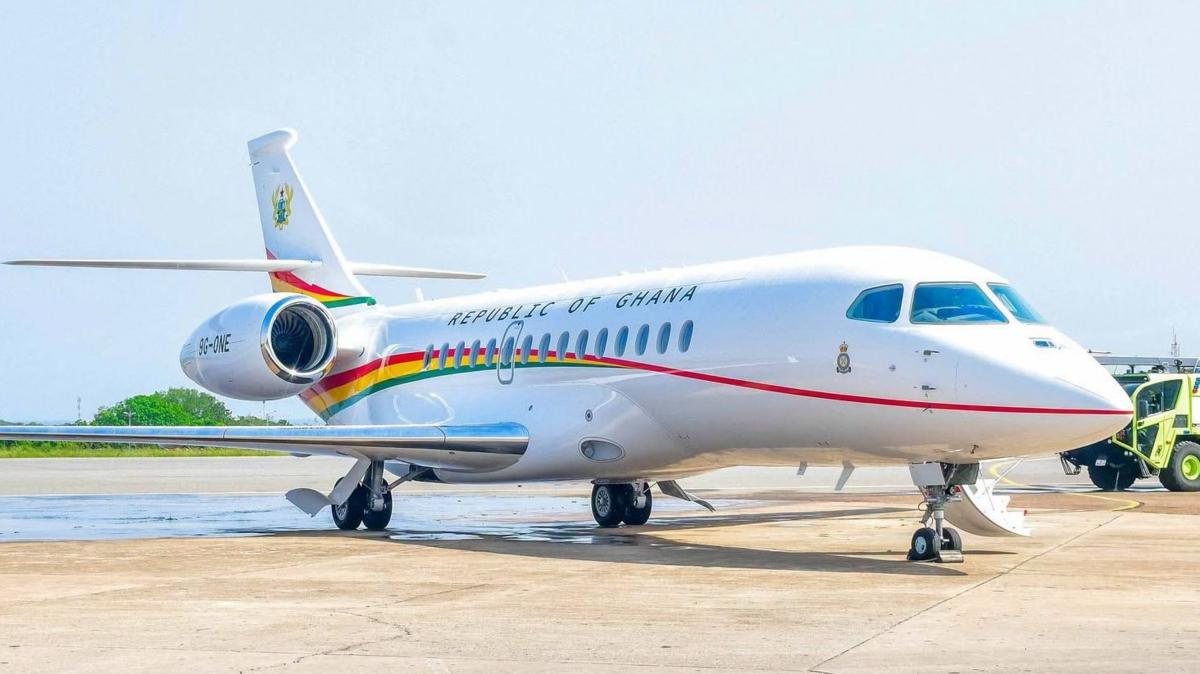
Ghana defends $60m presidential jet as critics cite cost-of-living strain
Xi says China and Russia should lead push for multipolar world at APEC summit
Global Community Remarks
0