
Rare footage of isolated Awa people in Brazil's Amazon spotlights threats to survival
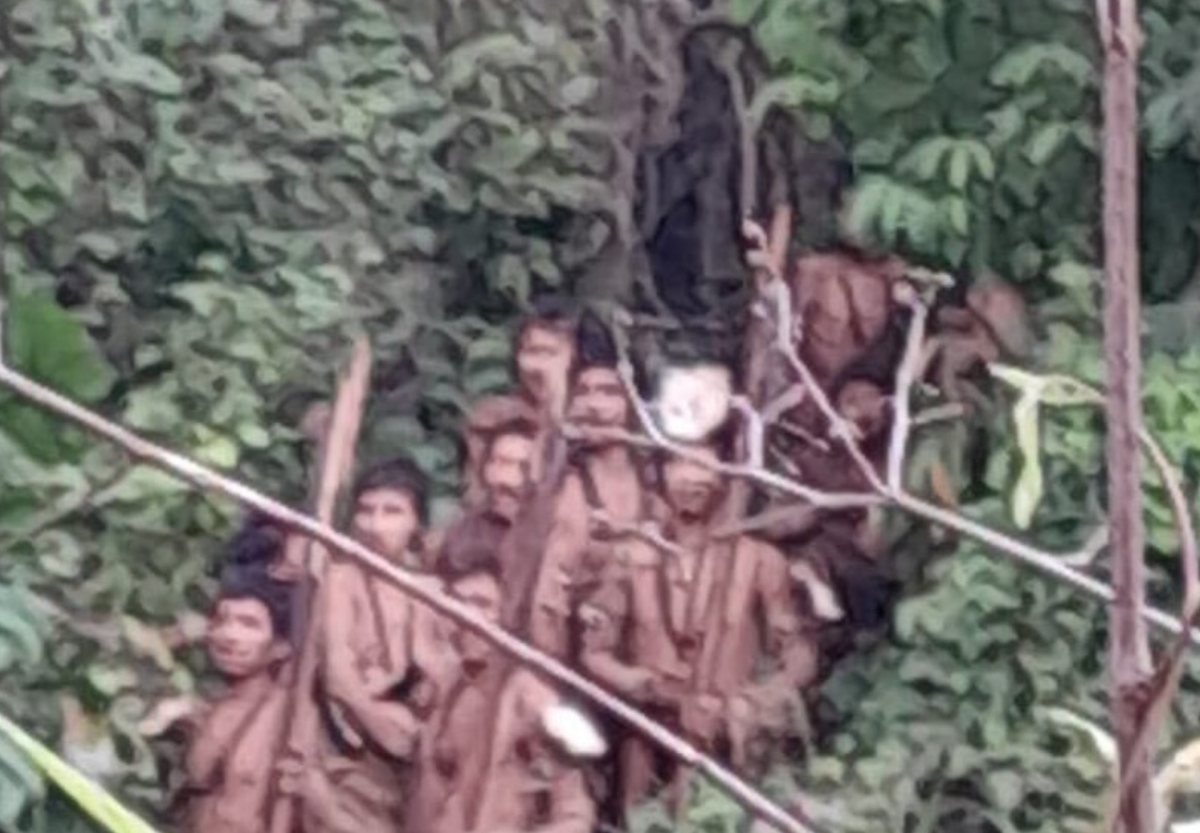
Rarely seen images of an isolated Indigenous group stepping out of a remote stretch of Brazil's Amazon rainforest have drawn fresh attention to the dangers posed by illegal loggers, hunters and ranchers, according to Al Jazeera.
The footage, released on Tuesday by the UK-based rights organisation Survival International, shows what the group described as a "historic encounter" on Monday in the northeastern state of Maranhao. About 20 uncontacted Awa people met a government team and asked for food.
Who are the Awa?
According to Brazil's Indigenous affairs agency, Funai, the Awa are a Tupi-Guarani people living in the northwest of Maranhao, and some of them continue to live in voluntary isolation.
Funai told the Reuters news agency that it was examining videos and social media accounts showing isolated Awa interacting with a village in the Arariboia Indigenous Land. The agency said the Brazilian state was not trying to establish contact with the group, consistent with its long-standing non-contact policy.
Brazil's Ministry of Indigenous Peoples said the encounter began on Monday close to a government access control post and the village of Tawari, which is home to Guajajara Indigenous people, The Associated Press reported. AP said members of the Guajajara community recorded the footage.
Why the footage was released
Survival International said it made the images public at the request of the Guardians of the Amazon, an Indigenous group that campaigns against illegal logging and ranching in the region.
Caroline Pearce, the organisation's director, warned that the Awa were being squeezed by intruders on every side of their land.
"The uncontacted Awa are under extreme pressure as intruders encroach from all sides of their territory."
She added that the group was being pushed into a shrinking pocket of forest surrounded by destruction.
Disease risk from unplanned contact
COAPIMA, an organisation representing Indigenous peoples in Maranhao, said the episode underlined the need for the responsible authorities to act with care. It pointed to the risks unplanned contact can carry for isolated communities, chiefly exposure to diseases against which they may have little protection.
Over recent decades, isolated Indigenous groups across the Amazon have come under growing pressure from illegal miners, loggers and ranchers moving into their territories.
History shows how deadly such contact can be. In neighbouring Colombia, roughly 40 percent of the isolated Nukak people died from illnesses after outsiders reached them in the 1980s.
Teresa Mayo, a senior researcher at Survival International, previously summed up the link between forest loss and the survival of these communities in comments to Al Jazeera, saying that without forest there can be no uncontacted peoples.
What happens next
Funai has said it is still reviewing the material circulating online. Rights groups are urging authorities to protect the Awa's territory from encroachment while respecting the group's choice to remain apart from outside society.
This story was prepared by the Hamasta Newsdesk with AI assistance, based on reporting by Al Jazeera. Read the original report. Photo: Al Jazeera.




Show the impact of your work.
Impact stories, campaign videos and community engagement for NGOs and programmes.

More in International
See all
Ukraine reportedly hits Krasnodar oil refineries a day after Kerch bridge strike
Family seeks embassy help as Kenyan man goes missing in freezing Belarus forest
First MINURSO contingent leaves Laayoune as UN mission begins phased withdrawal
Ghana defends $60m presidential jet as critics cite cost-of-living strain

Xi says China and Russia should lead push for multipolar world at APEC summit
Global Community Remarks
0