
Jeffries forces recorded vote as Democratic rifts grow over US House speakership
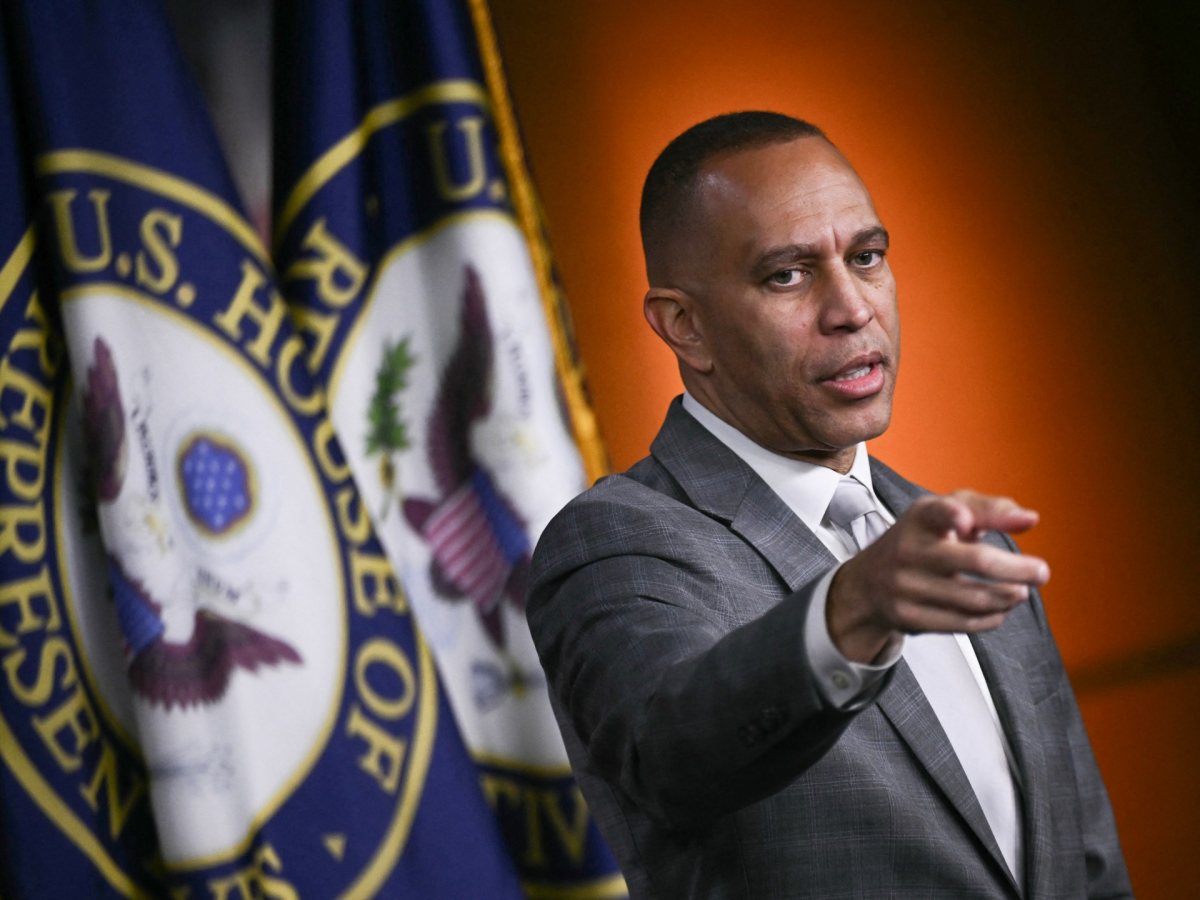
Hakeem Jeffries, the Democratic leader in the United States House of Representatives, will require his party colleagues to cast a recorded vote on his nomination for speaker, a move that puts progressive critics on the spot ahead of internal leadership elections, according to Al Jazeera.
Jeffries, a New York Democrat and the chamber's current minority leader, confirmed the plan to reporters at the US Capitol on Tuesday, the eve of the party's leadership vote. Some of his closest allies had hoped the nomination would go through by acclamation, a method that requires no ballot.
If confirmed, Jeffries would become the first Black speaker of the House.
Echoing the 2018 approach
Jeffries defended the decision by pointing to precedent. He said a recorded vote was the same process Democrats followed when they regained control of the chamber in 2018, during President Donald Trump's first term, and argued that every member should have the chance to state a position on who is best placed to lead the caucus into the new Congress.
The change in strategy was first reported by Punchbowl News, Al Jazeera noted.
Progressive dissent
The decision comes against a backdrop of growing unease among some Democrats about Jeffries steering the party's messaging and policy priorities in the House. Several progressive members, especially newly elected ones, had reportedly threatened to demand a recorded vote themselves as a way of winning policy concessions from him.
By calling for the recorded vote first, Jeffries has effectively taken that bargaining tool away from them. Any member who opposes him in Wednesday's closed-door vote will now have to do so openly.
Among the most outspoken holdouts is Congressman-elect Don Leonard of Ohio. In a video posted on social media, Leonard said he would not back Jeffries unless he received commitments on progressive priorities, including stopping US military aid to Israel through enforcement of the Leahy Law over the war in Gaza, and tackling campaign finance rules established by the Supreme Court's Citizens United ruling.
Without unanimous support, the nomination vote could expose divisions within the party.
No rival candidate
The dissenters' position is weakened by the absence of an alternative contender. On Monday, Massachusetts Congresswoman Ayanna Pressley ruled out challenging Jeffries.
Pressley had last week urged her social media followers to sign a petition aimed at shaping the agenda of the Democratic majority, prompting speculation that she might seek the post. She has since played down that idea.
"I do not need to be the speaker of the House to speak for the people," Pressley said at a town hall in her district.
Asked about the opposition from within his own ranks, Jeffries told reporters that journalists would need to ask the dissenting members themselves why they were against him. He added that the caucus would decide the matter on Wednesday and the result would be known within a day.
What comes next
Jeffries is widely expected to win Wednesday's vote comfortably. The outcome will give him a measure of his support before the 120th Congress is sworn in on January 3.
The speakership itself will be settled in a separate roll call vote on the House floor early in the new year.
This story was prepared by the Hamasta Newsdesk with AI assistance, based on reporting by Al Jazeera. Read the original report. Photo: Al Jazeera.


Take your event live to thousands.
Multi-camera live streams, panel discussions and digital broadcasts with professional crews.




More in International
See all
Ukraine reportedly hits Krasnodar oil refineries a day after Kerch bridge strike

Family seeks embassy help as Kenyan man goes missing in freezing Belarus forest

First MINURSO contingent leaves Laayoune as UN mission begins phased withdrawal

Ghana defends $60m presidential jet as critics cite cost-of-living strain

Xi says China and Russia should lead push for multipolar world at APEC summit

Global Community Remarks
0