
Xi urges global cooperation on AI and free trade as APEC summit opens in Shenzhen
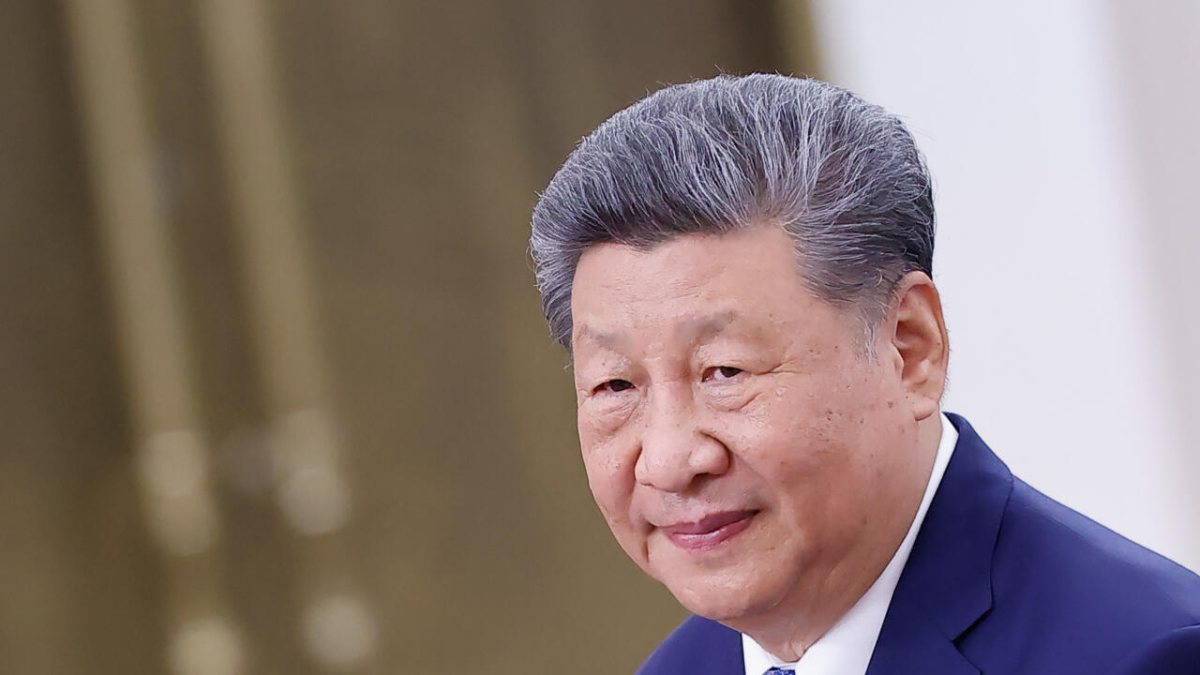
Chinese President Xi Jinping on Wednesday called on world economies to work more closely together on artificial intelligence and to tear down barriers to trade and investment, as he formally opened the Asia-Pacific Economic Cooperation (APEC) summit in the southern Chinese city of Shenzhen.
The appeal comes a day before Xi is expected to hold talks with US President Donald Trump in the same city, at a time of sustained friction between the world's two largest economies, according to France 24.
Innovation and growth
In his opening address, Xi urged APEC members to form partnerships in science and technology, expand cooperation in the digital economy and AI, and push forward the shift towards greener, low-carbon growth.
He argued that turning the region's strengths in innovation into economic momentum would drive growth across the Asia-Pacific and spread prosperity more widely.
His remarks come as pressure mounts on major powers to do more to manage the risks posed by the rapidly advancing technology.
Pledge to open markets
Xi also called for trade and investment barriers to be removed, describing this as key to achieving development that is inclusive and balanced.
He said Beijing wanted to offer international companies a business climate that is more predictable, and that China would keep widening access to its manufacturing and services sectors.
China seeks to "provide a more stable, predictable and beneficial environment for global enterprises," Xi said.
The Chinese leader added that the country would pursue far-reaching reform, beginning with cutting tariffs, broadening market access and examining its regulatory and management standards.
Trade tensions in the background
The summit opens under the shadow of a bruising trade dispute between Washington and Beijing. Trump has disrupted the global trading system by slapping broad tariffs on many countries, and China has hit back with its own counter-tariffs as well as threats to restrict key exports.
The two leaders struck a fragile truce in their trade war on the margins of last year's APEC meeting in South Korea. That arrangement, however, is due to lapse in January, France 24 reported.
Adding to the strain, the United States this week unveiled tighter limits on exporting advanced semiconductors to China. These chips are used to train and run AI systems, and Washington says the controls are necessary for national security.
According to France 24, the new US rules target chip smuggling as well as a sizeable grey market in which Chinese firms rent computing power from data centres in third countries that are stocked with chips designed by US company Nvidia.
Trade disputes and the new chip export restrictions are expected to feature prominently during the summit.
What it means beyond Asia
APEC brings together economies around the Pacific Rim, and no African country is a member. However, the direction of relations between the United States and China, both major trading partners for many African economies including Kenya, is closely watched across the continent, as shifts in tariffs and supply chains can ripple through global markets.
All eyes will now be on Thursday's expected meeting between Xi and Trump, and whether the two sides can extend or build on the truce before it expires.
This story was prepared by the Hamasta Newsdesk with AI assistance, based on reporting by France 24. Read the original report. Photo: France 24.

Tell your story on screen.
Commercials, documentaries, interviews and social video, from script to final cut.





More in International
See all
Ukraine reportedly hits Krasnodar oil refineries a day after Kerch bridge strike

Family seeks embassy help as Kenyan man goes missing in freezing Belarus forest

First MINURSO contingent leaves Laayoune as UN mission begins phased withdrawal

Ghana defends $60m presidential jet as critics cite cost-of-living strain
Xi says China and Russia should lead push for multipolar world at APEC summit

Global Community Remarks
0