
NO INDEPENDENT SCRUTINY: How the Senate ‘Rubber-Stamped’ Gachagua’s Ouster, Defense Tells High Court

Lawyers representing former Deputy President Rigathi Gachagua have mounted a fierce final submission before the High Court, asserting that the Senate completely failed to independently interrogate the charges brought against him before approving his historic removal from office.
Appearing before a consolidated three-judge bench comprising Justices Eric Ogolla, Anthony Mrima, and Freda Mugambi, Gachagua’s legal team, led by Senior Counsel Paul Muite, argued that the upper house abdicated its constitutional duty as an independent trial chamber, functioning instead as a mere "rubber-stamp" for the National Assembly’s prior resolutions.
The defense's final submissions mark the climax of a heavily contested constitutional petition challenging the October 2024 impeachment that shook the nation’s political landscape.
The Core Arguments: Structural Failure and Rushed Process
The legal team focused their arguments on two primary constitutional pillars: procedural fairness within the legislative chambers and the structural integrity of public participation.
1. Total Lack of Independent Senate Evaluation
According to the defense, the Senate had a unique constitutional mandate under Article 145 to act as an objective, quasi-judicial referee. Instead, they argue, the House failed to exhaustively dissect and cross-examine each of the 11 original allegations on their independent merits.
Out of the initial accusations, the Senate ultimately upheld five. However, Gachagua’s advocates contend that the sweeping manner in which the votes were executed proves the House was motivated by political convenience rather than a rigorous evaluation of the evidence available at that material time.
2. Compressed Timelines and Flawed Public Engagement
The petitioners further argued that the public participation exercise conducted by Parliament was a smoke-and-mirror operation designed to meet formalities rather than achieve genuine citizen engagement. The defense highlighted that:
- The timelines allocated for members of the public to digest the complex, multi-layered accusations and submit their views were drastically compressed.
- Essential informational materials were not adequately distributed to the public, locking out substantial demographics from offering meaningful representations.
"An impeachment process touching on the second-highest executive office in Kenya cannot be treated like an ordinary legislative routine. The law demands structural fairness, which both houses completely denied the petitioner," the defense submitted.
Shifting Legal Strategies: No Longer Seeking Reinstatement
In a notable shift in legal strategy during the latest sessions, Gachagua’s legal team clarified that the former Deputy President is no longer actively pursuing reinstatement to his former office—a role currently occupied by Kithure Kindiki.
Instead, Gachagua is seeking:
- A judicial declaration that the entire impeachment process was unconstitutional, irregular, and legally nullified.
- Compensation for lost remuneration, damages, and associated losses arising from what they term an unlawful removal.
- Cleansing of his political record to remove the legal barriers that currently prevent him from holding public office in the future.
The State's Counter-Defense: Political Doctrine and Standing Orders
The submissions by Gachagua's team follow a robust defense mounted by the respondents, including the National Assembly and the Senate.
Attorneys representing Parliament, alongside Senate Clerk Jeremiah Nyegenye, have steadfastly urged the three-judge bench to respect the separation of powers. The State maintains that the Senate strictly adhered to Article 145 of the Constitution and its own internal Standing Orders.
The respondents argue that an impeachment chamber operates under an exclusive political oversight mandate and should not be held to the identical, rigid timeline or structural standard of an ordinary court of law. They maintain that the process was fully lawful, based on the verified evidence brought before the House at that time.
A Crucial Precedent for Kenya's Democracy
The High Court's impending determination on this matter is widely regarded by legal scholars as a watershed moment for Kenya’s post-2010 constitutional dispensation. The final judgment will explicitly define the limits of parliamentary power, the exact thresholds required for public participation, and the level of judicial oversight courts can exercise over the internal proceedings of a bicameral parliament.
Every moment, captured beautifully.
Events, corporate portraits, products and editorial shoots by our newsroom photographers.





More in Politics
See all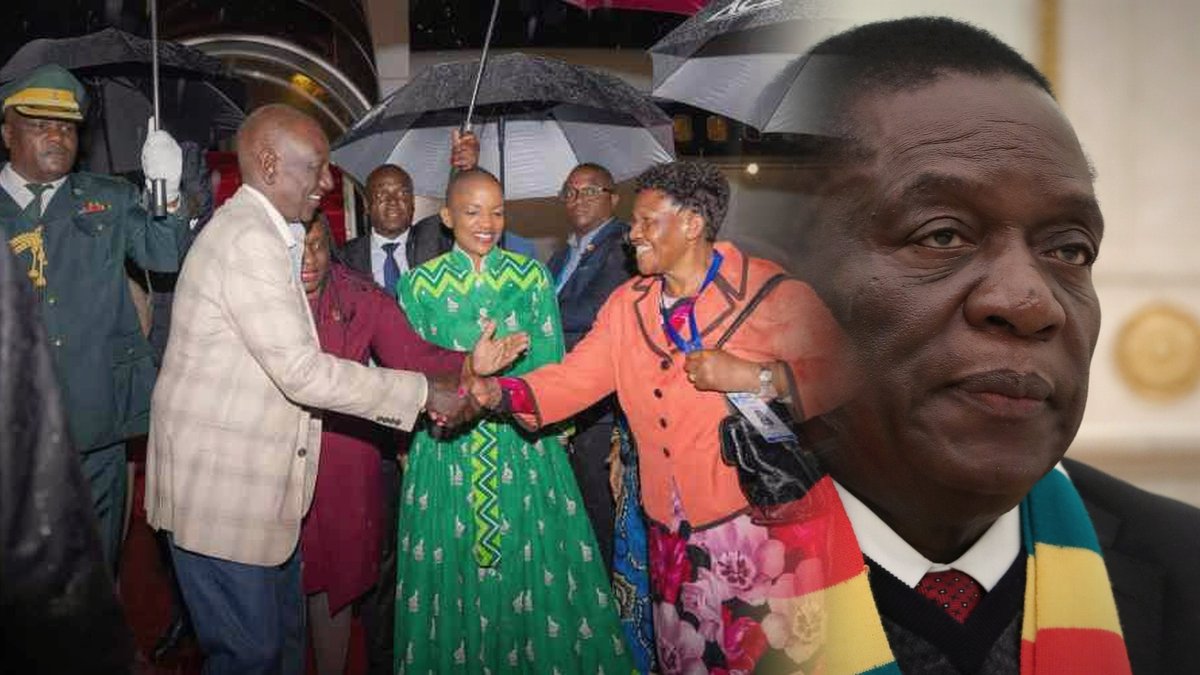
Ruto lands in Harare to hand over COMESA chairmanship to Mnangagwa at 25th summit
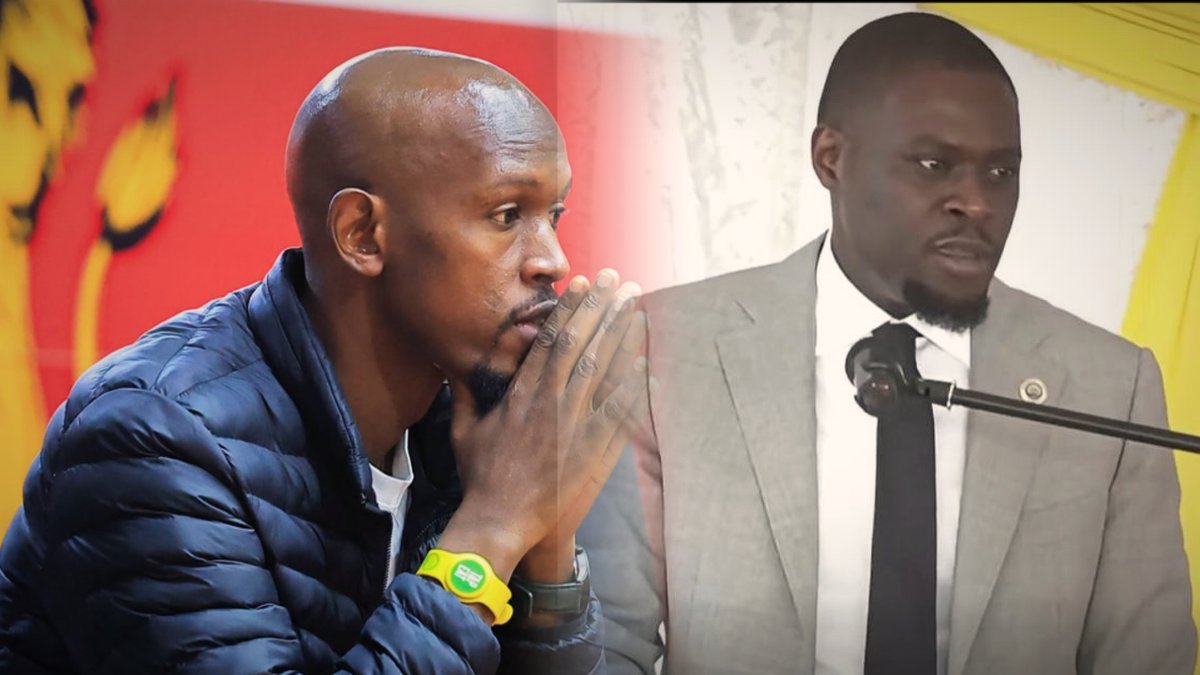
"My only mistake was to outshine my master": Mosiria fires back at Sakaja after sacking
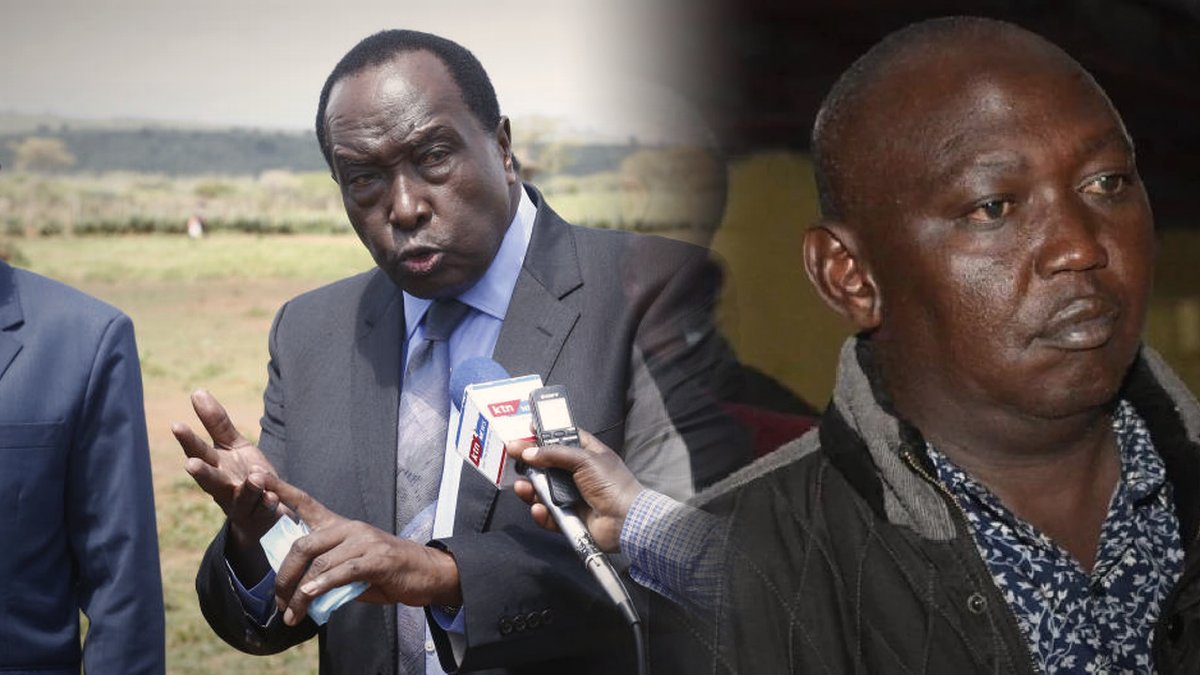
Moi and Komen dynasties line up to take back Rongai seat from UDA's Chebor
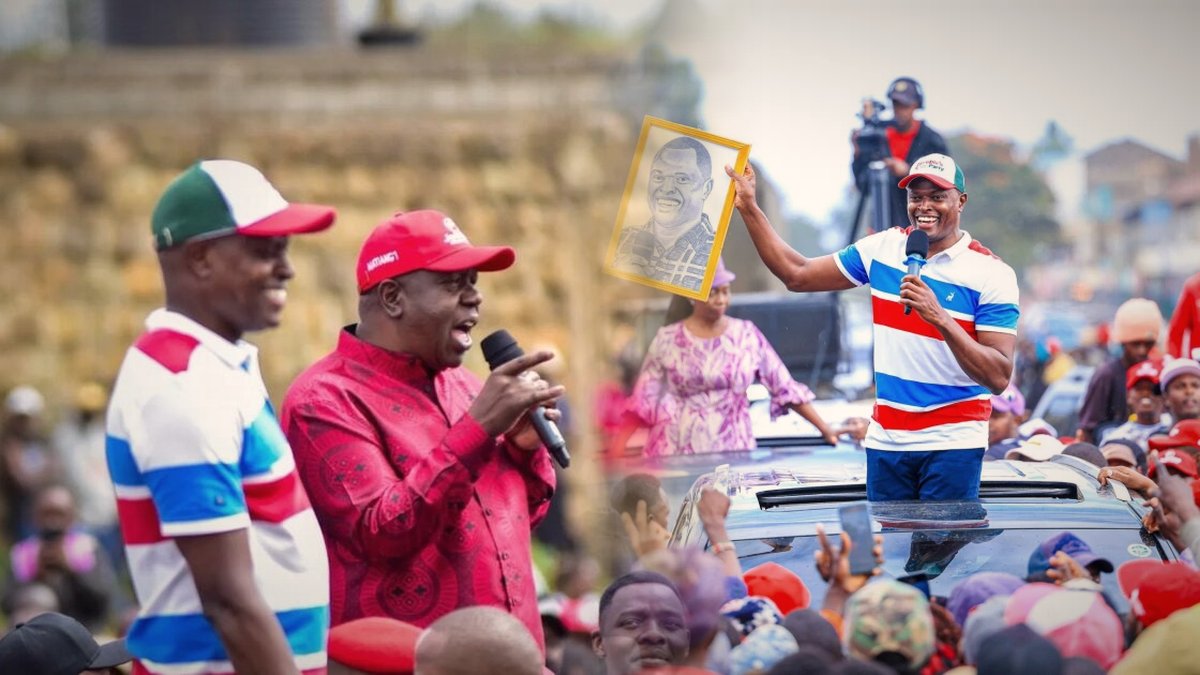
Karua, Nyoro and Matiang'i dismiss Ruto's PAYE relief pledge as 2027 campaign bait
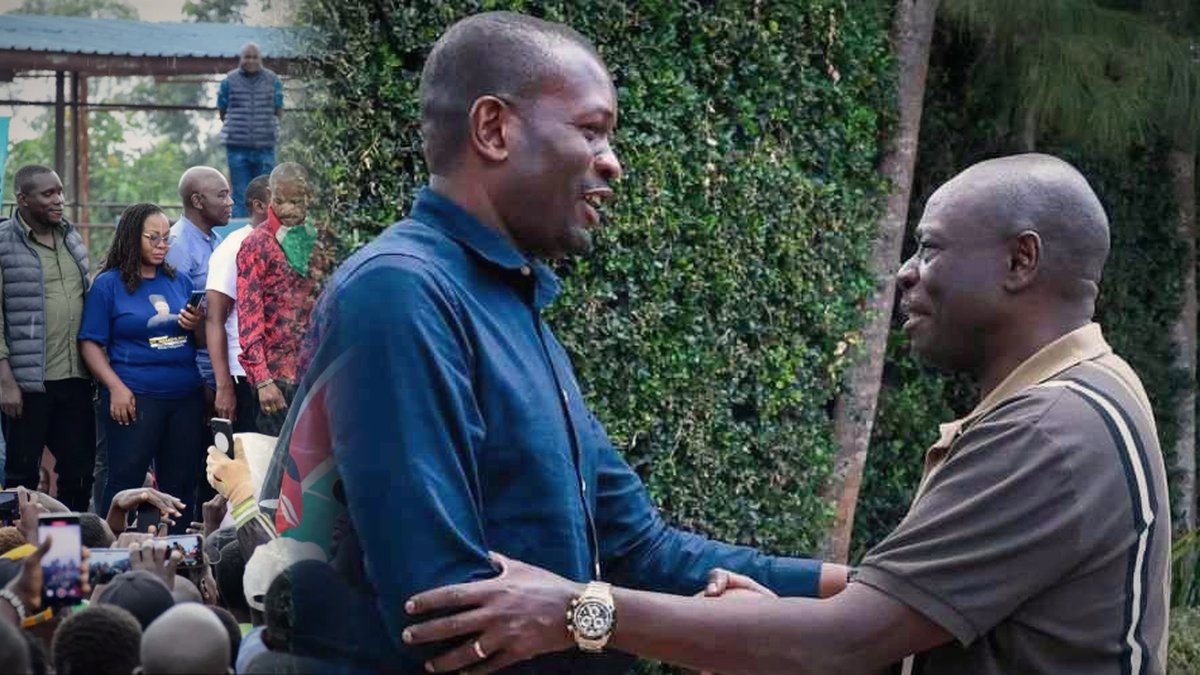
Gachagua and Sifuna to take alliance to the ground with first joint rally in Nyahururu
Global Community Remarks
0