
India Plans Quarantine of Up to Six Days for Kenyans Lacking Yellow Fever Proof

Kenyans travelling to India without a valid yellow fever vaccination certificate could be held in quarantine for up to six days, or sent back without entering the country, under draft airport health regulations proposed by New Delhi.
The proposals are contained in the draft Indian Aircraft (Public Health) Rules, 2026, which Kenyans.co.ke has seen. They are intended to replace regulations that have governed health checks at Indian airports since 1954.
Who would be affected
The draft targets travellers arriving from countries India classifies as affected by yellow fever. Kenya is on the list, alongside Nigeria, Rwanda, Sudan, South Sudan, Togo, Uganda, Ghana and 21 other African nations.
Arrivals from these countries would have to produce valid proof of vaccination. Those unable to do so would be placed in quarantine.
Under the proposal, quarantine would last a maximum of six days, counted from the date the traveller left a yellow fever-affected country. The current rules allow isolation of up to nine days, measured from the last possible exposure to the disease.
Refusal could mean being turned back
Travellers who refuse quarantine could be denied entry and returned without leaving the airport transit area, according to The Times of India. Those who accept quarantine would pay for their own stay at designated facilities.
Airlines would be required to move affected passengers to the designated quarantine sites. The draft also introduces fresh health reporting obligations for carriers and airport authorities.
India's Ministry of Health has invited government departments, airport operators, airlines and other stakeholders to submit comments within 30 days of a memorandum dated November 16, 2026. The draft will then be forwarded to the Ministry of Civil Aviation for further action.
About yellow fever
Yellow fever is a viral illness spread through the bite of infected mosquitoes. Symptoms include fever, headache, muscle pain, nausea and weakness. Severe cases can lead to jaundice, bleeding, organ failure and death.
The World Health Organisation (WHO) describes vaccination as the most effective form of prevention. According to the WHO, a single dose gives lifelong protection to most people, with immunity developing in 80 to 100 per cent of those vaccinated within 10 days.
Impact on medical travellers
The proposed rules could have a significant effect on Kenyans seeking treatment abroad. India's diplomatic mission in Kenya says many Kenyan patients travel to India for care, estimating that 90 per cent of Kenya's international medical travel is directed there.
The two countries also share strong trade links. India's High Commission in Nairobi says India is Kenya's third-largest trading partner, with bilateral trade reaching Ksh560.52 billion (USD4.31 billion) in the 2025/26 financial year.
Kenya's own entry requirements
The Indian proposal comes as Kenya has introduced its own health-related entry condition. Non-Kenyan visitors staying in the country for less than 12 months must now hold inbound travel health insurance with benefits of at least USD50,000 (Ksh6.4 million).
Some travellers are exempt from the Kenyan requirement, including citizens of East African Community partner states.
For now, the Indian rules remain a draft and could change following the stakeholder consultation period.
This story was prepared by the Hamasta Newsdesk with AI assistance, based on reporting by Kenyans.co.ke. Read the original report. Photo: Kenyans.co.ke.



Know what people say about you.
Media monitoring, audience insights and strategic communication for your brand.


More in International
See all
Ukraine reportedly hits Krasnodar oil refineries a day after Kerch bridge strike

Family seeks embassy help as Kenyan man goes missing in freezing Belarus forest
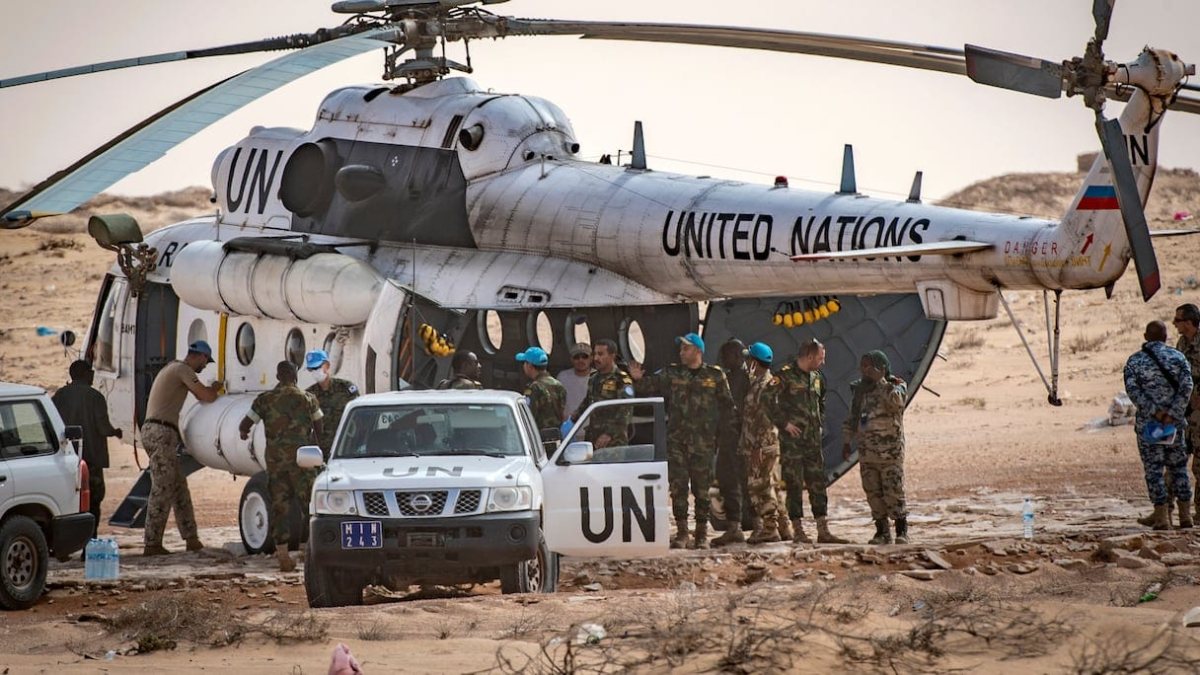
First MINURSO contingent leaves Laayoune as UN mission begins phased withdrawal

Ghana defends $60m presidential jet as critics cite cost-of-living strain
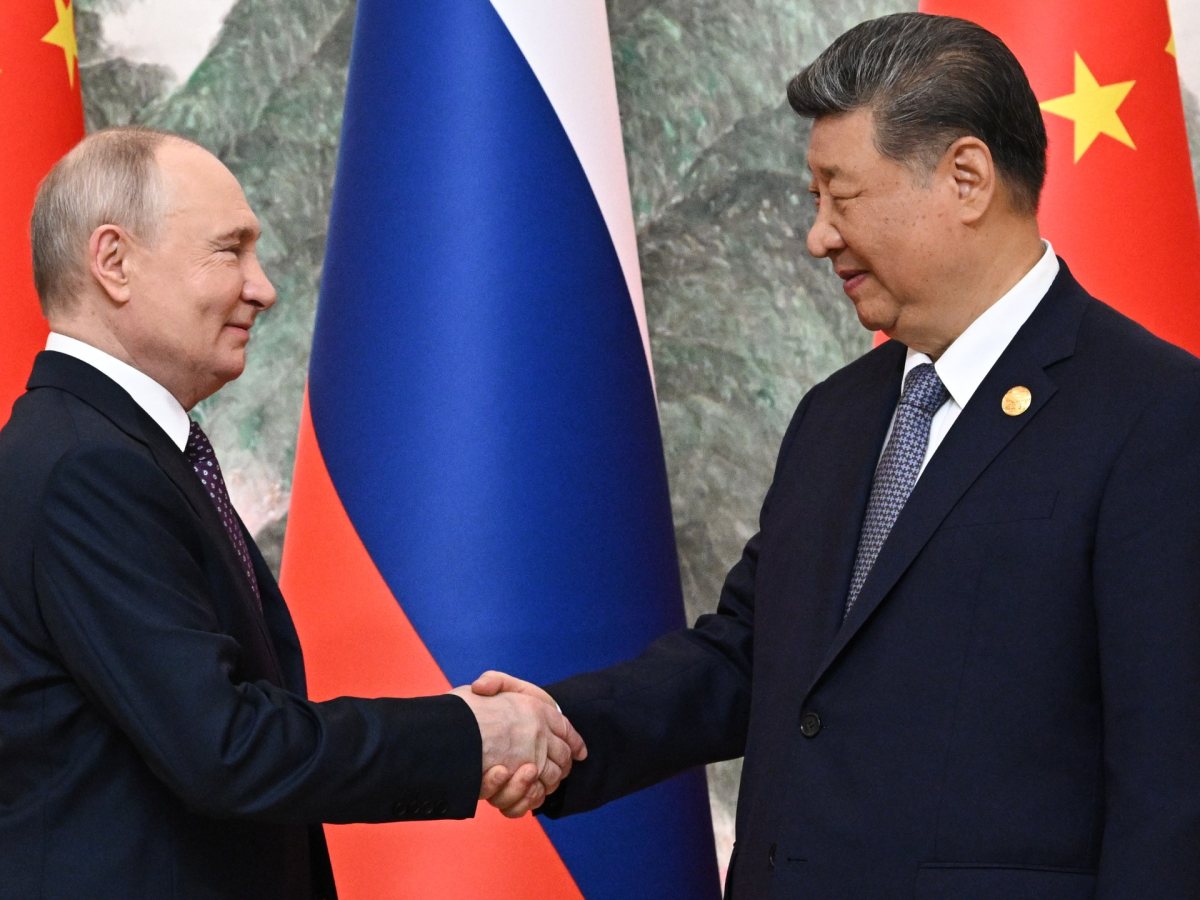
Xi says China and Russia should lead push for multipolar world at APEC summit
Global Community Remarks
0