
Nyikal Dismisses Viral Bill Proposing Mandatory DNA Tests for Newborns as Fake
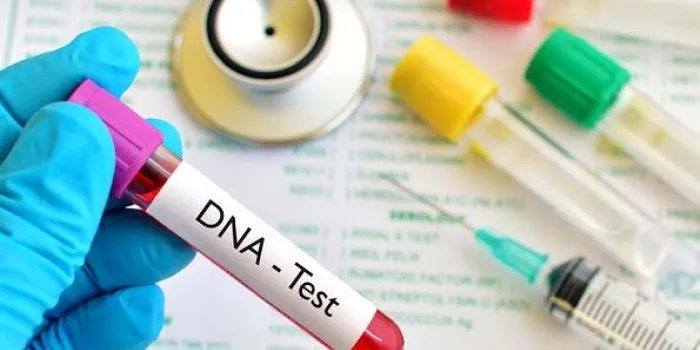
Seme MP James Nyikal has distanced himself from a document circulating on social media that claimed he had sponsored a bill to make DNA testing compulsory for every child born in Kenya.
Nyikal, who chairs the Health Committee in the National Assembly, described the document as fake news when contacted by Kenyans.co.ke, saying no such bill exists and that there were no plans to table one.
Asked whether he intended to bring a similar proposal before Parliament in future, the lawmaker said there were no such plans "for now", according to the publication.
What the viral document claimed
The document, titled The Child Identity and Family Integrity Bill, 2026, was presented as proposed legislation that would require parentage to be confirmed through DNA testing at birth.
It also purported to set up a National DNA Registry and to put in place rules on how genetic data would be collected, processed, stored, used and disclosed.
According to the document, the aim of the law was to safeguard the interests of mothers, children and parents, and to protect every child's right to identity and family affiliation.
Public debate on paternity
The MP's clarification comes as members of the public have been debating whether DNA testing at birth should be made mandatory, with supporters arguing it could establish a child's biological parentage early and head off paternity disputes later in life.
The viral document appeared to tap into that conversation, gaining traction online before the legislator moved to disown it.
What Kenyan law currently says
Although DNA testing is recognised under Kenyan law, there is no legislation that specifically governs compulsory DNA testing to establish parentage or settle paternity disputes, Kenyans.co.ke reported.
Instead, courts handling applications for DNA tests in paternity cases have drawn on constitutional provisions, children's rights laws and earlier judicial decisions.
In some cases, judges have ordered individuals to undergo DNA testing where confirming biological parentage was deemed necessary to protect a child's interests. Such orders have, however, also required that the child's rights, including privacy and dignity, be safeguarded.
Several constitutional provisions come into play in such matters:
- Article 53 protects children's rights, including the right to parental care and protection.
- Article 31 guarantees the right to privacy.
- Article 28 protects human dignity.
The Children Act, 2022, further sets out the rights of children and makes their best interests the paramount consideration in matters affecting them.
Any future attempt to introduce mandatory DNA testing would therefore have to contend with these privacy and dignity protections, as well as questions on how sensitive genetic data would be handled.
For now, Nyikal maintains that the bill attributed to him does not exist.
This story was prepared by the Hamasta Newsdesk with AI assistance, based on reporting by Kenyans.co.ke. Read the original report. Photo: Kenyans.co.ke.


Take your event live to thousands.
Multi-camera live streams, panel discussions and digital broadcasts with professional crews.




More in Politics
See all
Ruto pledges to fast-track Ol Kalou projects months after UDA by-election loss
Muheria warns church officials will be sacked for letting politicians speak

Ruto Receives Global PR Lifetime Achievement Award at Ceremony in Abuja

State moves against use of children's images in online fundraising appeals

ODM MP Samuel Atandi dismisses TIFA poll placing Sifuna level with Ruto

Global Community Remarks
0