
Milk Deliveries to Processors Fall by 4.3 Million Litres as Shortage Bites
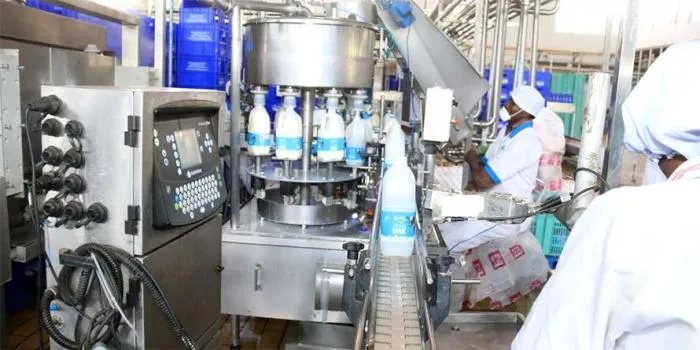
Milk deliveries to Kenya's dairy processors fell sharply in September, according to new government data, deepening worries over a shortage that has left some shops without packaged milk and pushed up retail prices.
Figures from the Kenya National Bureau of Statistics (KNBS), contained in its Leading Economic Indicators report, show that the formal dairy sector took in 74.8 million litres of milk in September 2026. This was down from 79.1 million litres in August, a month-on-month drop of about 4.3 million litres, Kenyans.co.ke reported.
"Milk intake in the formal sector declined from 79.1 million litres in August 2026 to 74.8 million litres in September 2026," the KNBS report stated.
Year-on-year decline
The slowdown is not limited to a single month. Total formal-sector intake between January and September stood at 750.2 million litres, about 2 per cent lower than in the same period of 2025.
The data further shows that monthly deliveries to processors trailed 2025 levels in February, May, June, July, August and September.
Production up, supplies down
The falling deliveries sit uneasily alongside official claims of a production boom. President William Ruto has recently said that Kenya has overtaken other African nations to become the continent's largest milk producer.
Data released in September by the State Department for Livestock Development put Kenya's yearly milk output at 5.4 billion litres, up from 4.6 billion litres, a level that the department said placed the country ahead of Egypt.
Addressing the Third Global Parliamentary Summit on Hunger and Malnutrition on Monday, November 16, the President credited Kenya's new ranking to a one-billion-litre rise in national production.
However, the higher national figures have not resulted in steady supplies reaching processors, nor in reliable stocks of packaged milk on supermarket and shop shelves.
Why deliveries are falling
Earlier reports from the Kenya Dairy Board attributed the drop in deliveries to extended dry weather, which reduced the availability of pasture and fodder and cut the amount of milk farmers were able to produce.
Reports also pointed to a shift in farmers' selling habits. Some producers have reportedly chosen to sell milk directly to consumers through informal channels instead of supplying factories, in search of better prices than processors offer.
To encourage deliveries to the formal sector, President Ruto announced that dairy farmers would be paid Ksh65 for every litre of milk delivered from October. Farmers were also promised a quarterly bonus of Ksh2 per litre.
Consumers feel the pinch
For households, the effects of the supply squeeze are already visible. According to Kenyans.co.ke, consumers in various parts of the country have struggled to find milk in local shops, while prices at the retail level have gone up.
The September figures are the latest indication that the challenge facing the dairy sector lies not only in how much milk is produced, but in how much of it reaches processors and, ultimately, consumers through formal channels.
Whether the new farm-gate price and bonus scheme will reverse the trend is likely to become clearer when data for October and the following months is published.
This story was prepared by the Hamasta Newsdesk with AI assistance, based on reporting by Kenyans.co.ke. Read the original report. Photo: Kenyans.co.ke.

Tell your story on screen.
Commercials, documentaries, interviews and social video, from script to final cut.





More in Business
See all
East and Central Africa Edge Out Europe as Top Destination for JKIA Travellers

Nairobi Water Billing System to Go Offline for Three Days Over Maintenance

KenGen pitches Olkaria geothermal power to draw Sh103bn green fertiliser plant

CMA clears Africa Eats NSE cross-listing and new Leo Dividend ETF

SRC to Review Pay Structures and Allowances in 260 Public Institutions from 2027

Global Community Remarks
0