
Govt Unveils Strategy to Fight Wash Wash, Fake Goods Costing Kenya Ksh826 Billion
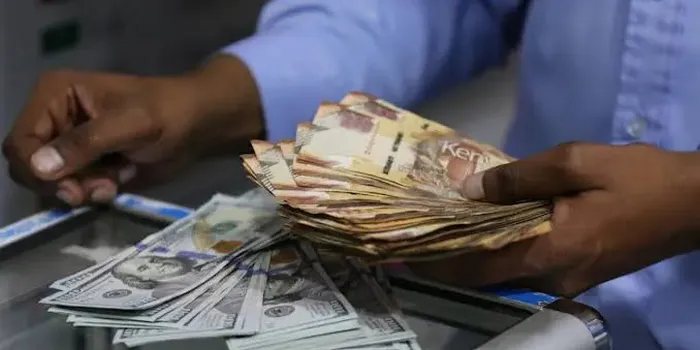
The government has launched a national strategy to fight money laundering, counterfeit goods and other forms of illicit trade, which the Trade Ministry says cost the country about Ksh826 billion a year.
The ministry said on Wednesday, November 18, that these illegal activities are equivalent to roughly 9.3 per cent of Kenya's Gross Domestic Product (GDP), according to Kenyans.co.ke. The figure shows the scale of the damage that illegal networks cause to the economy.
Report flags major threats
The findings are contained in the ministry's National Assessment of Illicit Trade in Kenya Report. It lists money laundering, commonly known as wash wash, along with fake products and substandard goods among the most serious threats facing the economy.
The ministry said illicit trade is undermining fair competition and eating into government revenue. It described the problem as a significant threat to the country's plans for economic transformation and industrialisation.
The report also raises concern over several other illegal practices, including:
- Diversion of controlled medicines
- Reuse of packaging materials
- Trafficking in wildlife trophies and natural resources
- Human trafficking and labour exploitation
The government warned that money laundering and counterfeit products endanger human life, national security and environmental sustainability. They also hurt legitimate businesses that compete with illegal operators.
Seven-pillar plan
To tackle the problem, the government has proposed a national framework built on seven pillars. It calls for closer coordination among state agencies, better intelligence sharing and the arrest of those involved in illegal trade.
The strategy also proposes the use of modern technology to improve the tracking of goods along supply chains. This is meant to help authorities spot suspicious products and business operations more easily.
Other measures include tougher legal action against offenders and efforts to disrupt the financial networks that support illegal activities, including money laundering.
The government further plans to introduce new laws targeting specific sectors. It also intends to deepen cooperation with private businesses, communities, regional partners and international organisations.
The ministry said the framework sets out "a structured and coordinated roadmap for tackling illicit trade" by strengthening enforcement, closing regulatory and institutional gaps and dismantling illegal trade networks.
Push to exit FATF grey list
The new strategy comes as Kenya steps up efforts to be removed from the Financial Action Task Force (FATF) grey list. The global watchdog places countries on the list when it finds weaknesses in their systems for fighting money laundering and terrorism financing.
Being on the grey list means a country is subject to closer monitoring. Strengthening measures against money laundering is central to Kenya's bid to exit the list.
The ministry did not give a timeline for when the various measures in the framework will be fully put in place.
This story was prepared by the Hamasta Newsdesk with AI assistance, based on reporting by Kenyans.co.ke. Read the original report. Photo: Kenyans.co.ke.


Grow an audience that listens.
Social media management, digital campaigns and online storytelling that converts.



More in Business
See all
TikTok and ICC roll out Digital Commerce Labs to train Kenyan small businesses
Treasury to Grant Dangote Lamu Refinery Tax Waivers on Imported Equipment
GDC floats 12 tenders for security, drilling supplies with KSh 100k minimum security
Anthropic raises $81.3bn in biggest IPO ever, overtaking SpaceX's record debut
EU states approve Indonesia trade deal as bloc seeks shield from Trump tariffs
Global Community Remarks
0