
Kakamega leaders seek tighter scrutiny of county procurement and spending
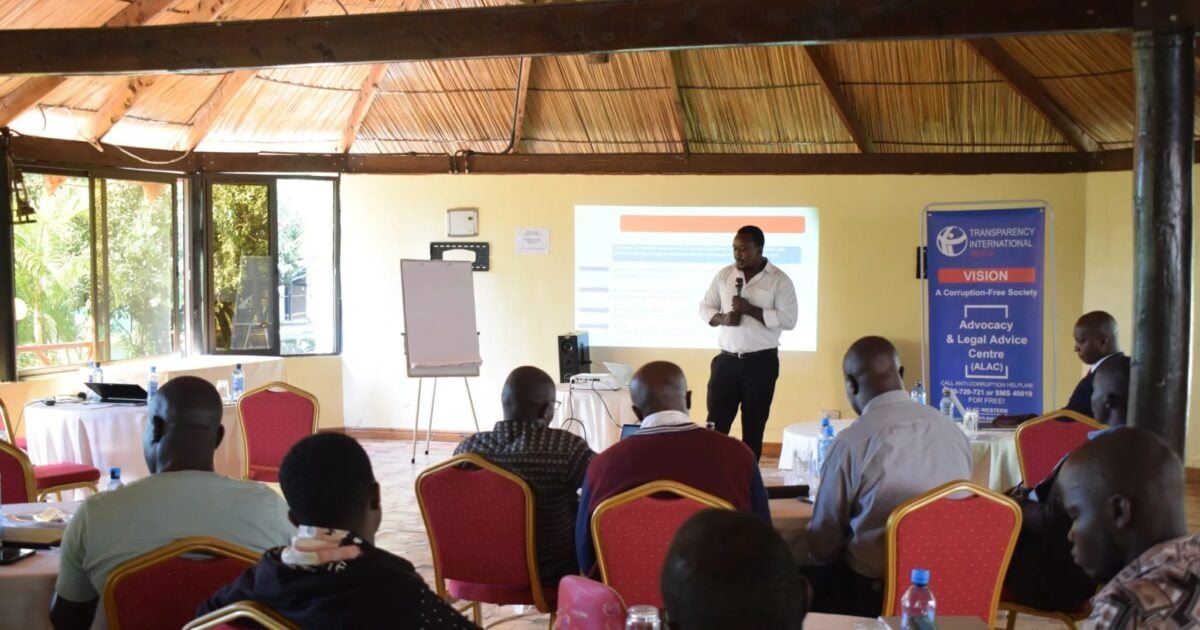
Stakeholders from Kakamega County have called for greater transparency and accountability in how public resources are managed. They flagged procurement practices and possible conflicts of interest in county development programmes as areas of concern.
The issues came up during a capacity-building forum on public finance management held in Kisumu, according to Capital FM Kenya. Transparency International-Kenya (TI-Kenya) organised the meeting under the third phase of its Usawa Mashinani Project.
Members of the County Assembly (MCAs), county government officials, civil society organisations and media representatives attended. The forum aimed to sharpen participants' ability to scrutinise public spending, respond to weaknesses flagged by oversight bodies and ensure that public money serves its intended purpose.
Oversight institutions in focus
Brian Ekodere of TI-Kenya's Kisumu office said the initiative aims to help women, young people and persons with disabilities take a more active part in governance and public finance management.
He described the forum as an annual engagement. It gives participants a chance to examine concerns raised by oversight institutions, among them the Public Procurement Regulatory Authority (PPRA), the Office of the Auditor-General and the Office of the Controller of Budget.
Ekodere said the stakeholders had gathered to examine these issues and to learn about the roles the PPRA and the Auditor-General play in addressing concerns within Kakamega County.
Discussions centred on procurement compliance and oversight duties. Participants also looked at the difficulties county leaders face in running procurement processes that are transparent and benefit residents.
MCAs struggle to apply national laws
Kakamega County Assembly Majority Leader Philip Maina chairs the County Assembly Representatives Network Against Corruption (KANAC). He said the training would help MCAs better understand their oversight role and turn public finance and procurement laws into effective action at county level.
Maina said ward representatives often struggle to interpret and apply laws passed by the National Assembly when examining spending by the county executive, especially on procurement. He said many members lack the capacity to understand what is expected of them when they carry out oversight.
He said MCAs would pass on what they learned to their colleagues through assembly committees. These include the Public Accounts Committee, the Budget Committee and the Finance Committee, which handle government expenditure and audit reports.
Conflict of interest and AGPO
MCA Jael Omumani named conflict of interest as a major concern in public procurement. She pointed to cases where people with undisclosed stakes in companies could sway the award of government tenders.
She stressed that public officers need to understand why declaring their interests matters for protecting the integrity of procurement.
"One of the things we've learned here is the importance of having to declare your interest as a public officer," Omumani said.
She explained that declaring an interest does not stop an officer from taking part in procurement if they qualify.
Omumani said the training also looked at how women and young people could benefit from the Access to Government Procurement Opportunities (AGPO) programme without facing discrimination. She called for more support to help these groups:
- understand procurement procedures
- access county tendering opportunities
- follow the public financial management process through to auditing
She also stressed the importance of gender-responsive budgeting. She said female MCAs and civil society organisations have a role in checking whether budget allocations meet the needs of different communities.
About the project
The Usawa Mashinani Phase III Project is funded by the Embassy of Finland. It runs from March 2025 to March 2027 in Kisumu, Siaya and Kakamega counties.
The project seeks to increase the involvement of marginalised groups, particularly women, young people and persons with disabilities, in public finance management and county decision-making.
It is also expected to improve cooperation between oversight institutions, county executives, assemblies and civil society. Another aim is to equip citizens to monitor public projects and hold leaders to account for the use of public funds.
This story was prepared by the Hamasta Newsdesk with AI assistance, based on reporting by Capital FM Kenya. Read the original report. Photo: Capital FM Kenya.



Know what people say about you.
Media monitoring, audience insights and strategic communication for your brand.


More in Politics
See all
Vijana wa Rais youth group shows off branded Defenders for Ruto re-election drive
Gachagua, Kalonzo and Sifuna lead opposition walkout from IEBC talks over agenda

Citizen TV confirms Lulu Hassan's political plans after UDA meeting

Tribunal Fast-Tracks Member's Challenge to Sifuna's Linda Mwananchi Movement

KDF revises recruitment schedule, adds new centres ahead of December 14 exercise
Global Community Remarks
0