
KRA rejects KenGen's Sh6bn tax break claims on power plant investments
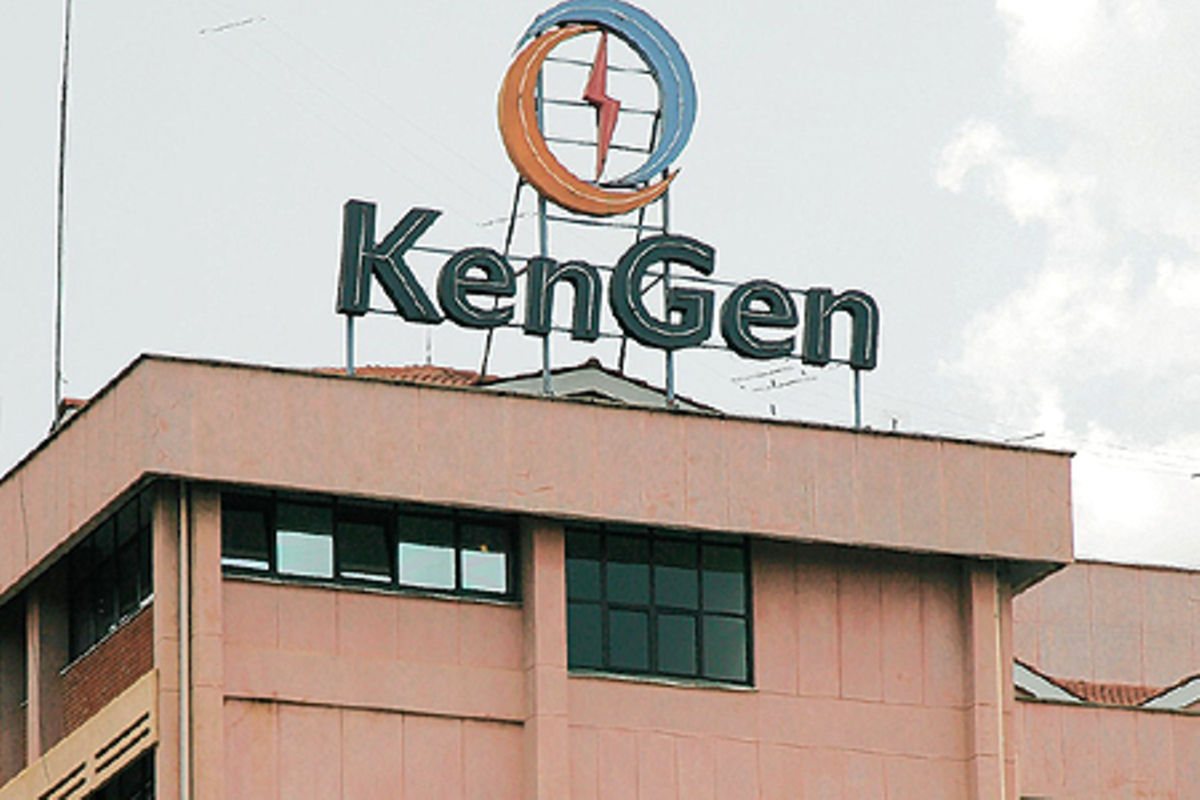
The Kenya Revenue Authority (KRA) has turned down KenGen's claim for Sh6.03 billion in tax breaks linked to its power plant investments. The decision could leave the listed electricity generator facing a bigger tax bill than it expected, according to Business Daily.
KenGen has disclosed in its latest annual report that the taxman reviewed investment deductions it claimed between 2019 and 2022. After the review, KRA disallowed the capital allowances, which cut the company's tax losses by Sh6.03 billion. Those losses would otherwise have been used to lower its future taxable income.
The power producer has challenged the decision at the Tax Appeals Tribunal. In the report, the company says: "The matter is currently before the Tax Appeals Tribunal pending hearing and determination."
How the deductions work
Under the rules, KenGen can deduct its capital investments when working out its taxable profits. Half of the amount is deducted in the first year a project is in use, and 25 percent is deducted in each of the following two years.
The company has said it lodges these claims once its power plants are commissioned. It maintains that its calculation of loss allowances is reasonable and in line with the Income Tax Act.
In 2022, KenGen commissioned two geothermal plants: the 172-megawatt Olkaria V station and the 86-megawatt Olkaria 1 Additional Unit 6.
No tax losses left
The company's financial statements showed no outstanding tax losses as at June 2026. A year earlier, in June 2025, the balance stood at Sh1.75 billion.
KenGen's net profit fell by 1.2 percent to Sh10.35 billion in the year to June 2026. Its tax charge dropped to Sh4.7 billion, down from Sh4.99 billion in 2025.
Separate row over dividend tax
The capital allowances dispute is not the only tax fight between the two. KenGen and KRA are also locked in a court battle over compensating and withholding taxes on dividends paid to the National Treasury, which owns 69.9 percent of the company.
That claim arises from a Sh5.7 billion dividend KenGen paid to the Treasury in June 2016. The payout came from profits generated through investment deductions on its power projects. In effect, the tax benefits were passed on to the company's main shareholder.
KRA is pursuing the claim as compensating tax, charged at 42.8 percent. The levy was designed to encourage firms to reinvest untaxed income rather than pay it out as dividends.
According to the annual report, KRA demanded Sh2.94 billion in compensating and withholding taxes on dividends for the period 2019 to 2023. KenGen appealed to the Tax Appeals Tribunal. It also negotiated separately with the taxman, and the withholding tax assessment of Sh586.1 million was dropped.
The remaining compensating tax assessment of Sh2.35 billion went back to the tribunal, which ruled in KRA's favour. KenGen was unhappy with the outcome and has now appealed to the High Court, which will hear and decide the matter.
Old law still applies
Compensating tax was introduced in 1992 and abolished in July 2018. It was replaced by a 30 percent rate on distributions of untaxed profits, a lighter burden than the previous 42.8 percent.
However, KRA's demand rests on the law in force when KenGen paid the Sh5.7 billion dividend.
KenGen had earlier set aside Sh2.4 billion to cover the compensating tax. It later lobbied the Treasury to persuade the taxman to drop the claim, but that effort did not succeed.
This story was prepared by the Hamasta Newsdesk with AI assistance, based on reporting by Business Daily. Read the original report. Photo: Business Daily.




Show the impact of your work.
Impact stories, campaign videos and community engagement for NGOs and programmes.

More in Business
See all
Kenyan startup funding plunges 73% to six-year low as collapses shake investors
Ruto opens Ksh117m Naitiri market, breaks ground on Bokoli market in Bungoma
Australian Firm Challenges Planned Award of Ksh8.2 Trillion Mrima Hill Project to US Group
DTB nine-month profit rises 24pc to Sh9.2bn on loan income, cheaper deposits

Kindiki says Sh3.5bn set aside to boost tea farmers' bonuses in Kericho
Global Community Remarks
0