
Jepchirchir ban puts spotlight on Kenya's deepening doping problem
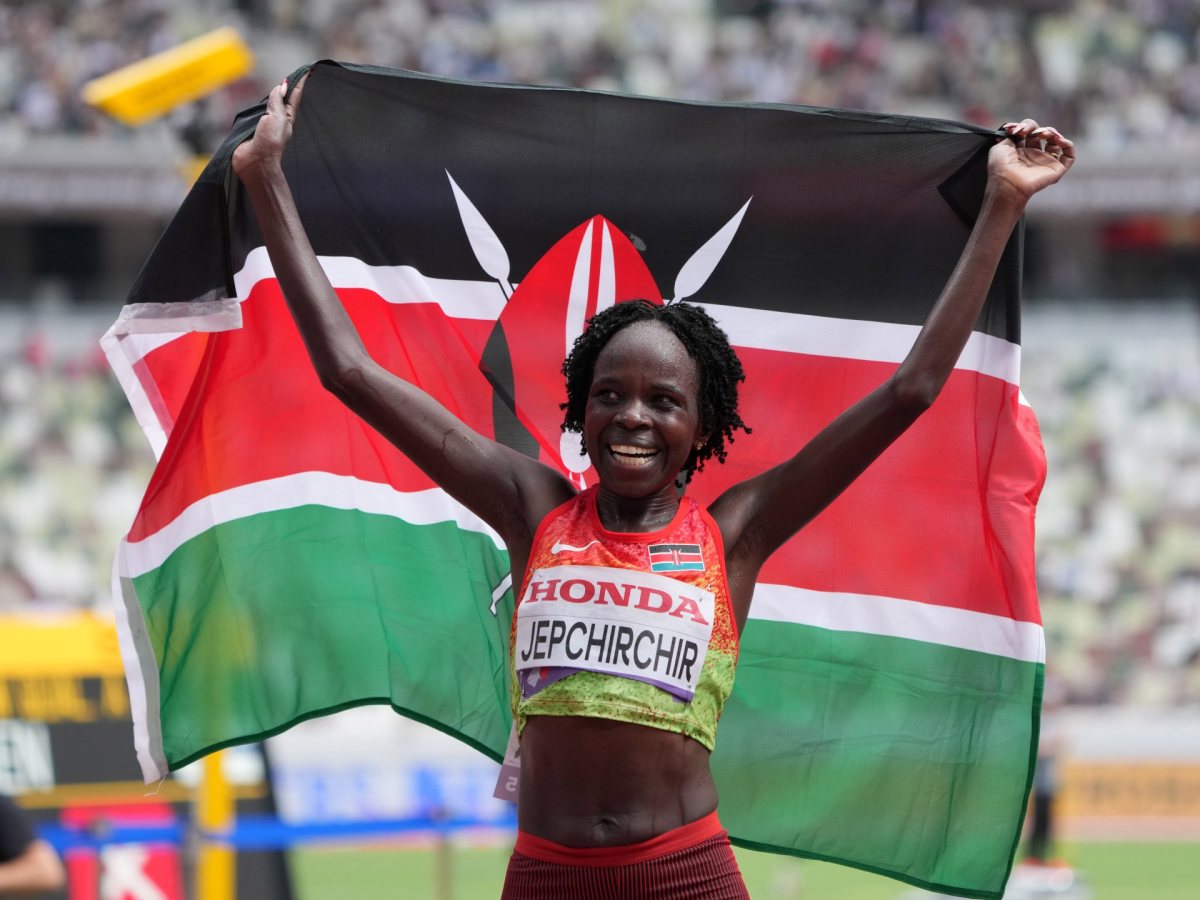
Kenya's reputation as the world's leading producer of distance runners is under growing strain, with more than 140 of its athletes suspended by the Athletics Integrity Unit (AIU) since 2017, according to Al Jazeera. Most of those sanctioned are distance runners.
The latest and perhaps most damaging case involves Peres Jepchirchir, the reigning world and Olympic marathon champion, who was handed a three-year ban on Thursday after testing positive for the banned blood booster EPO.
According to the AIU, the sample was collected before her victory at the Sydney Marathon in August, which was her fourth World Marathon Majors title after wins in New York in 2021, Boston in 2022 and London in 2024. Jepchirchir, a former half-marathon world record holder, admitted to breaching anti-doping rules.
More testing, more cases
Former Kenyan middle-distance runner Martin Keino told Al Jazeera the numbers partly reflect tougher enforcement rather than a sudden surge in cheating. He said out-of-competition testing has expanded and that the AIU now pursues suspicious patterns instead of waiting for a positive sample.
Keino, who worked as a pacer in seven world record runs, pointed to money worries, fear of declining form and pressure to perform as key drivers. He noted that Kenya produces vast numbers of runners competing for very few lucrative contracts, and that a single breakthrough can transform a family's fortunes.
He also cited weak local controls on banned substances, along with unqualified coaches and agents chasing quick results, as factors that allow doping to spread unnoticed.
'Greed and selfishness'
Wilfred Bungei, who won the men's 800m at the 2008 Beijing Olympics, said cases involving athletes such as Jepchirchir and Ruth Chepngetich cast doubt on future Kenyan victories and stain the country's achievements. He described doping as greed and selfishness, arguing that the real victims are the thousands of clean Kenyan athletes whose careers rest on hard work.
Bungei said responsibility lies firmly with the athlete. He has called for doping to be made a criminal offence since 2009 and still believes the government should take that step.
International sports lawyer Caroline Mwanzia told Al Jazeera that some athletes deliberately seek an unfair edge, while others take medication without first securing a Therapeutic Use Exemption. In most cases, she said, athletes are simply ignorant of the rules.
Pressure on veterans
Keino argued that elite competitors cannot plausibly claim total ignorance of the prohibited list and testing rules, though some may not fully understand the injections, supplements or treatments they are given. Others, he said, dope knowingly and later plead ignorance.
He said established runners face their own pressures, including reputations, lifestyles and dependants to support. For veterans, he suggested, doping is often about staying at the top, keeping pace with younger rivals or recovering from setbacks, though he stressed this was no excuse.
A 2016 investigation by the World Anti-Doping Agency (WADA) found two Kenyan athletes had submitted falsified medical records to try to avoid sanctions. WADA also concluded that athletes in Kenya were insufficiently educated about doping or wilfully blind to its consequences.
What next
Keino called for practical education, urging athletes never to accept an unknown injection or substance without checking it, to keep records, and to walk away from coaches who cannot explain what they are providing.
In September, Kenya signed the Anti-Doping Amendment Bill to align with WADA's updated code, roughly a decade after the country's original anti-doping law was passed following WADA's declaration that Kenya was non-compliant.
Keino favours stronger audits of Kenya's anti-doping system, more funding for testing and education, and bans for repeat enablers. Turning to Nairobi's hosting of the 2029 World Athletics Championships, he said:
"Nairobi's award of the 2029 World Athletics Championships should come with real accountability, not just prestige."
This story was prepared by the Hamasta Newsdesk with AI assistance, based on reporting by Al Jazeera. Read the original report. Photo: Al Jazeera.



Know what people say about you.
Media monitoring, audience insights and strategic communication for your brand.


More in Sports
See all
Morocco, Senegal, Mali and Côte d'Ivoire in action as U-17 World Cup continues
Infantino, Diallo and Tashima in Three-Way Race for FIFA Presidency

Trump posthumously pardons baseball great Pete Rose over 1990 tax conviction

Premier League clubs vote to shield board from Man City sponsors' legal threats

Uganda open U17 World Cup campaign with 3-0 loss to South Korea

Global Community Remarks
0