
Germany names 157 shortage occupations as reliance on foreign workers grows
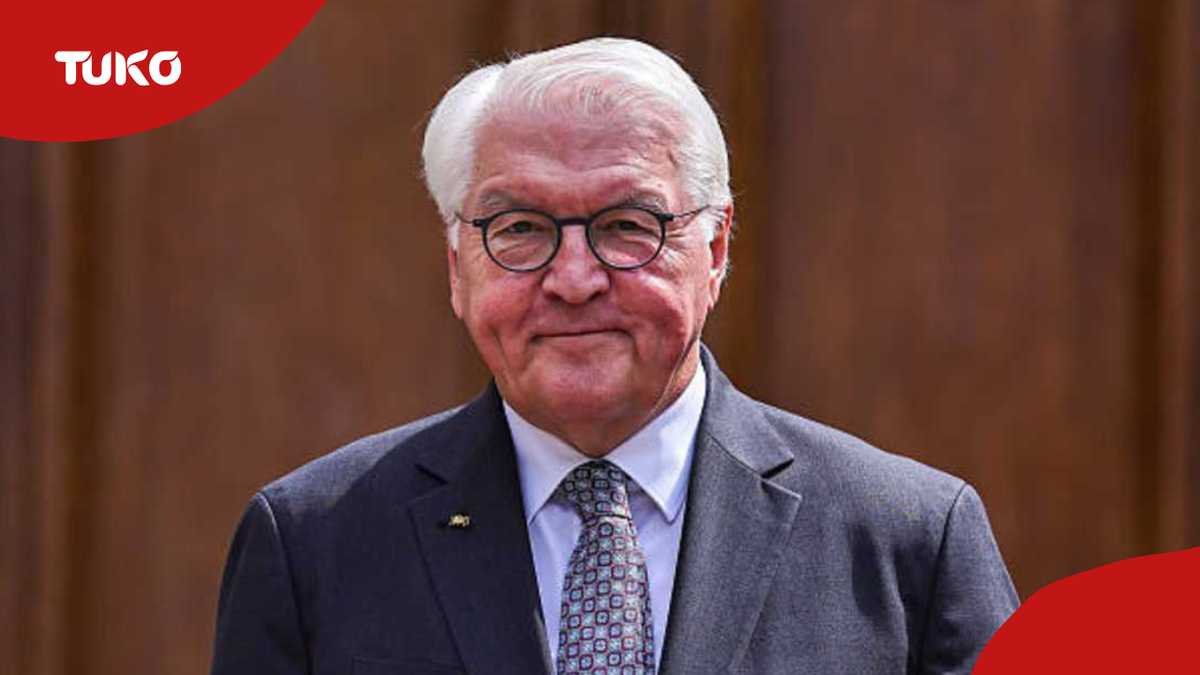
Germany is struggling to find enough qualified workers in 157 occupational categories and is increasingly relying on foreign workers to close the gap, according to a report by the country's Federal Employment Agency, Tuko reports.
The agency, known in German as the Bundesagentur für Arbeit, released its annual shortage occupation report on 2 September 2026. It shows that labour shortages remain widespread across key sectors of Europe's largest economy, even as overall economic activity slows.
Slight drop, but shortages remain widespread
The number of occupations classified as facing shortages fell slightly, from 163 categories last year to 157 this year.
Officials cautioned that the small decline does not signal an end to the problem. According to the report, half of all advertised job vacancies in Germany are in occupations where employers cannot find enough suitable candidates.
Tuko notes that the findings come as Germany experiences an economic slowdown. This suggests that weaker economic activity has not removed the underlying shortage of skilled labour.
Foreign workers' share doubles
One of the report's main findings is the growing role of overseas workers in filling hard-to-staff jobs.
Since 2014, the share of foreign workers employed in shortage occupations has roughly doubled, rising from 7% to about 14%.
The agency attributed the rise to targeted recruitment efforts and changing migration patterns. It said the trend highlights the growing contribution of international workers to Germany's essential industries.
Andrea Nahles, who chairs the agency's Executive Board, said immigration would remain important in meeting the country's labour needs.
Ageing population to deepen the gap
Officials identified Germany's ageing population as a major factor likely to worsen labour shortages in the years ahead.
As more workers retire and fewer young people join the workforce, the gap between the number of available workers and what employers need is expected to widen. According to the report, this is likely to make recruiting workers from abroad increasingly important to the German economy.
For foreign professionals considering work in Europe, the report offers an official indication of the fields where Germany continues to face recruitment difficulties. The full report is available through the Federal Employment Agency's announcement.
Openings for Kenyan job seekers
The report adds to signs that Germany is actively looking beyond the European Union for labour.
Tuko previously reported that Germany had advertised more than 1,300 vacancies for foreign drivers and transport workers on its official employment portal. The listings included 1,294 positions for drivers and vehicle operators, along with 13 other traffic and logistics roles.
That recruitment drive is open to non-EU applicants, including Kenyans. Some candidates may qualify under special rules even without an EU driving licence or a formal vocational qualification, according to the earlier report.
Other developed economies are also seeking foreign labour. Tuko has reported that Australia needs about 200,000 more workers and has listed jobs that skilled foreigners could fill, while Canada, Australia and other countries have introduced new employment rules for foreign workers.
Overseas employment is a significant interest for many Kenyan job seekers, and Germany's latest figures suggest demand for foreign workers there is likely to persist.
This story was prepared by the Hamasta Newsdesk with AI assistance, based on reporting by Tuko. Read the original report. Photo: Tuko.


Grow an audience that listens.
Social media management, digital campaigns and online storytelling that converts.



More in International
See all
Chivayo Crash Probe: Zimbabwe Ministry Disputes Family Claim That Black Box Was Found

Australia Opens Permanent Residency Route for Kenyans in Three Aged Care Jobs
Tunisian rights activist Sihem Bensedrine handed five-year jail term for corruption
Benin asks France to return 35 more looted artefacts held at Paris museum
.jpeg)
Liberia leads UN peer review of Somalia's anti-corruption measures in Nairobi
Global Community Remarks
0