
Kisumu Accelerates Urban Renewal with World Bank Support

.jpeg)
Kisumu City has taken another significant step toward its vision of becoming a modern, sustainable, and investment-friendly urban center following renewed support from the World Bank and the national government for key infrastructure projects across the lakeside city. The latest developments are part of a multi-billion-shilling urban renewal program aimed at improving transport systems, public spaces, and social amenities while enhancing the quality of life for residents.
A high-level delegation comprising officials from the World Bank, the State Department for Housing and Urban Development, and county leaders recently inspected several ongoing projects, including Taifa Park, the Kaloleni Gender-Based Violence Centre, and the Nyamasaria Mowlem Bus Park. The visit culminated in the commissioning of Baby Pendo Park and the launch of a new phase of the city's Non-Motorised Transport (NMT) project.
According to city officials, the projects are designed to improve mobility, create safer public spaces, and strengthen climate-resilient infrastructure. The Non-Motorised Transport initiative will enhance pedestrian walkways and cycling infrastructure, making movement within the city safer and more efficient while reducing congestion and environmental pollution.
Kisumu City Manager Edwin Abala Wanga noted that the investments demonstrate the city's commitment to creating an inclusive and competitive urban environment capable of attracting both local and international investors. He emphasized that modern infrastructure is essential in positioning Kisumu as a regional economic hub and gateway to East Africa.
Governor Anyang' Nyong'o has also reiterated the county government's commitment to working closely with development partners to transform Kisumu into a resilient city equipped to meet the demands of a growing population. The partnership with the World Bank has been instrumental in financing projects that support economic growth, urban regeneration, and social development.
Urban planners believe the ongoing investments will stimulate business activity, create employment opportunities, boost tourism, and improve service delivery. As new parks, transport facilities, and public amenities continue to emerge, Kisumu is increasingly positioning itself as one of Kenya's fastest-growing urban centers.
With several major projects already underway and more expected in the coming months, residents and stakeholders remain optimistic that the city's transformation will unlock new economic opportunities while creating a cleaner, safer, and more livable environment for future generations.

Tell your story on screen.
Commercials, documentaries, interviews and social video, from script to final cut.





More in Business
See all
Kirima's widow warns Kenyans against buying plots on disputed 1,000-acre Njiru land

Kenya woos foreign building materials makers to set up factories and boost affordable housing

Bankers push for PAYE cut for all workers as Ruto targets low earners
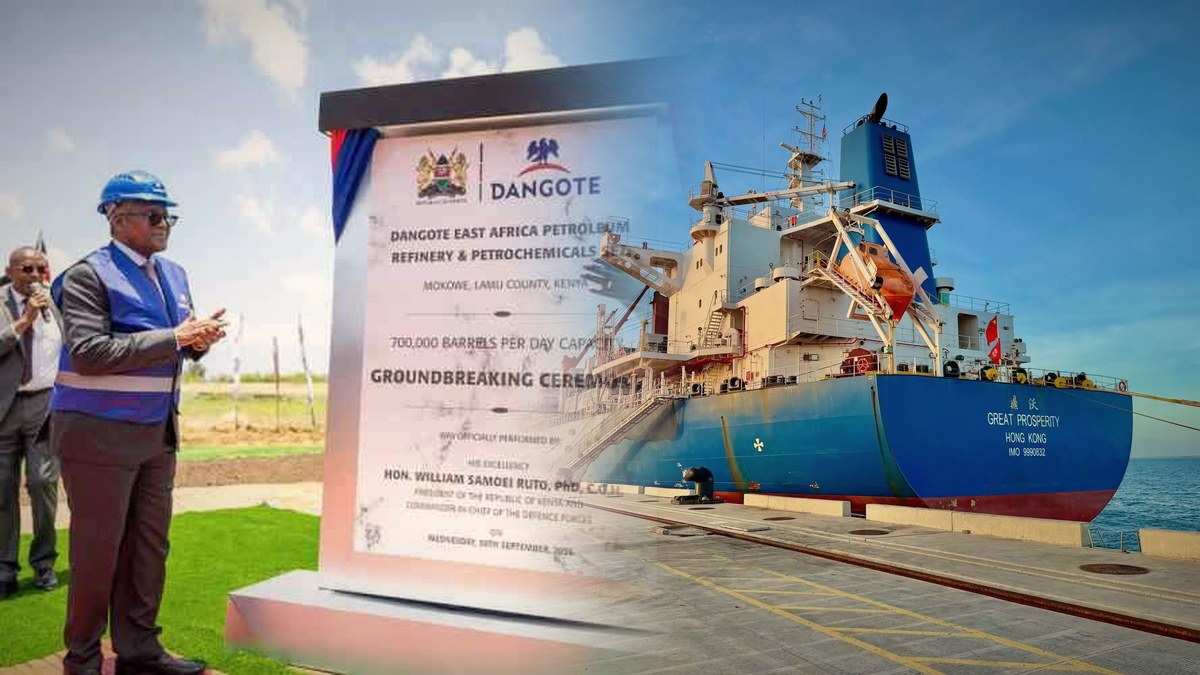
Second shipment of heavy machinery for Dangote refinery docks at Lamu port

UK government arm takes Sh1.94bn stake in Quickmart IPO
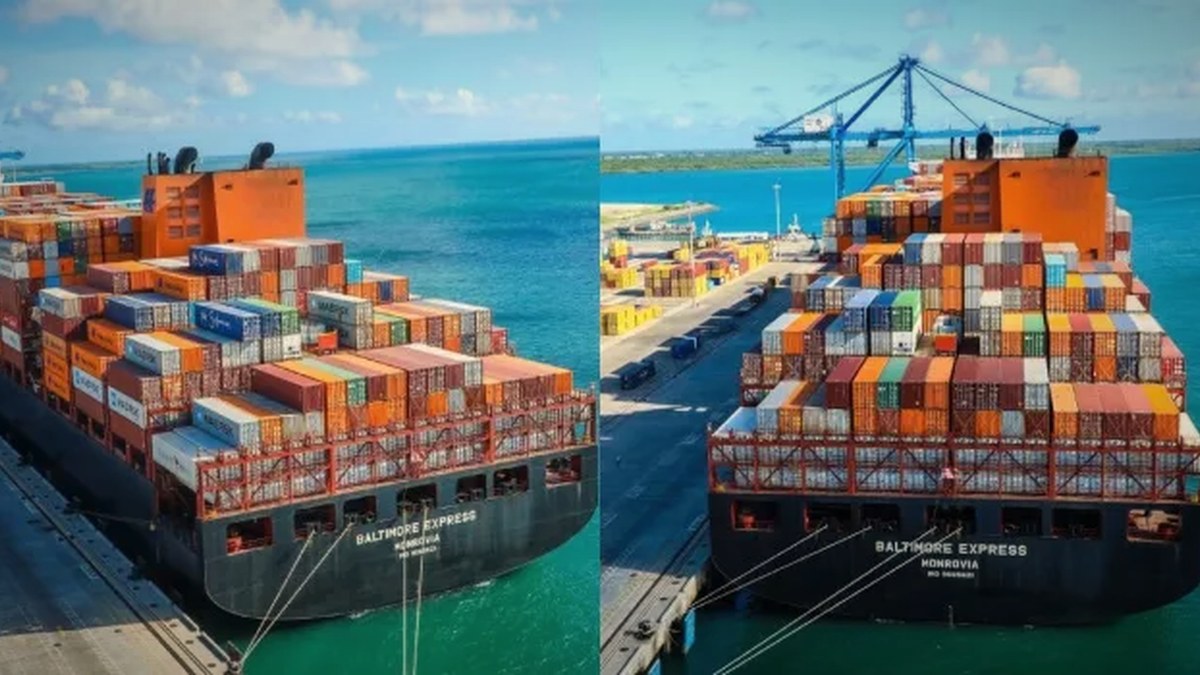
Six oil tankers among 51 ships expected at Mombasa and Lamu ports by end of October
Global Community Remarks
0