
Mudryk accuses Shevchenko of lying in row over failed meldonium test
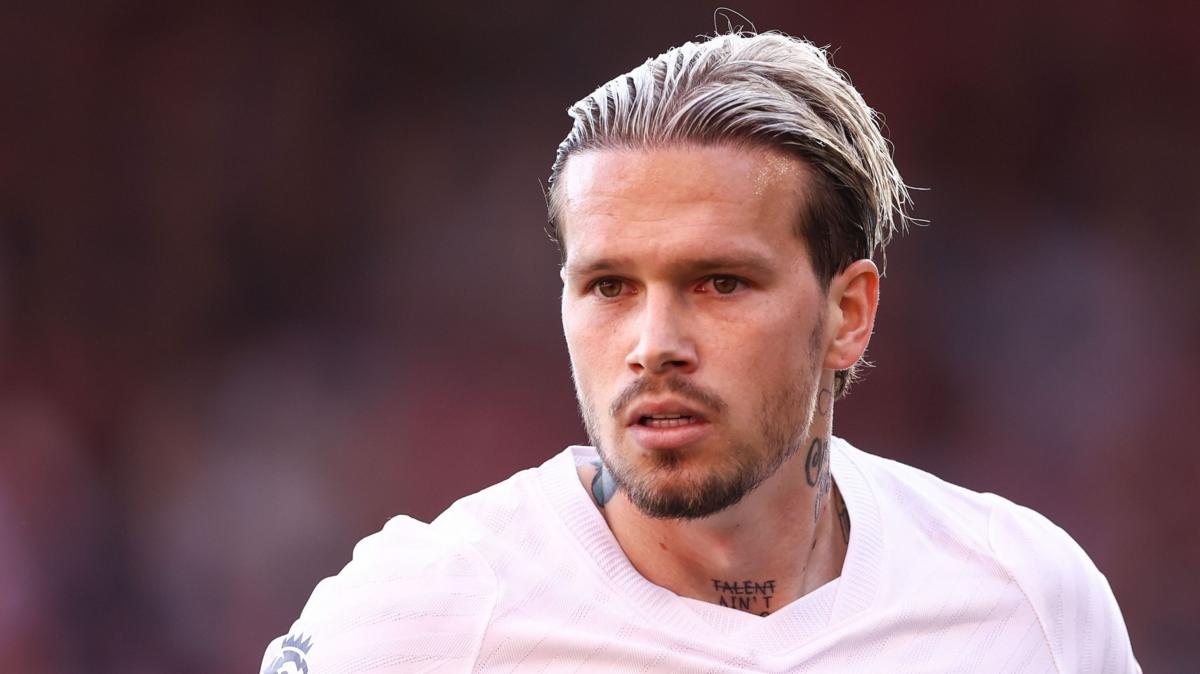
Ukraine winger Mykhailo Mudryk has accused Andriy Shevchenko, the president of the Ukrainian Association of Football (UAF), of lying about the events surrounding his positive drugs test. The accusation deepens a bitter public dispute between the player and his national federation, according to BBC Sport Football.
Mudryk, a Tottenham Hotspur winger on a season-long loan from Chelsea, is serving a suspension that runs from November 2024 to July 2026 after he tested positive for meldonium, a banned substance.
How the row escalated
The latest exchange began with an interview Mudryk gave on Wednesday. In it, he said he held the UAF responsible for his failed test and the ban that followed. He believes the substance got into his system while he was on international duty with Ukraine.
Shevchenko responded by claiming that Mudryk's representatives had repeatedly asked for a UAF employee to falsely accept responsibility for the positive test.
The former Chelsea and AC Milan striker also described the player's remarks as baseless slander against federation staff, who he said carry out their duties honestly and professionally. He urged Mudryk to withdraw his comments.
Mudryk's denial
In a statement released on Friday, Mudryk rejected Shevchenko's version of events outright, calling it a lie. He insisted that "neither I nor my representatives made any such request".
The winger said he and his team had asked the UAF on several occasions to help them work out how he could have been exposed to meldonium and who, if anyone, might have been to blame.
According to Mudryk, his lawyers wrote a number of letters to the federation making clear that they wanted information that was accurate and could be checked independently. He said one of those letters had been leaked to the media by the UAF earlier on Friday, and argued that it showed his legal team was seeking reliable information rather than a scapegoat.
Supplements claim
Mudryk went further, accusing the UAF of trying to mislead his team's investigation in order to distance itself from the case. He said he has evidence to support this claim.
He pointed to testimony given by UAF staff at his disciplinary hearing, which stated that he had not been using the federation's supplements. Shevchenko repeated that position in his own statement.
However, Mudryk said he holds WhatsApp messages showing that he did use the UAF's products during the national team's training camps, and that these prove the federation's repeated assertions are wrong.
The player also complained that the federation was consistently slow in responding to his team's requests and that it held back important information and documents from his lawyers.
What next
The dispute pits one of Ukraine's most promising attacking players against the country's most celebrated footballer, who now leads its governing body. With both sides publicly contradicting each other's accounts, the row shows no sign of easing.
Mudryk's ban is due to run until July 2026, ruling him out of club and international football until then.
This story was prepared by the Hamasta Newsdesk with AI assistance, based on reporting by BBC Sport Football. Read the original report. Photo: BBC Sport Football.

Tell your story on screen.
Commercials, documentaries, interviews and social video, from script to final cut.





More in Sports
See all
Man Utd's managerial merry-go-round cost nears £100m after Pochettino hire
Tom Brady eyes minority stake in Chelsea through Clearlake Capital
Cameroon U17s confident ahead of World Cup opener against Venezuela
Morocco hammer Fiji 6-0 to open FIFA U-17 World Cup campaign

Okoko wins Alpha Bravo Classic in Lagos for second Sunshine Development Tour title
Global Community Remarks
0