
Judiciary frees 1,329 inmates in three-month prison decongestion drive
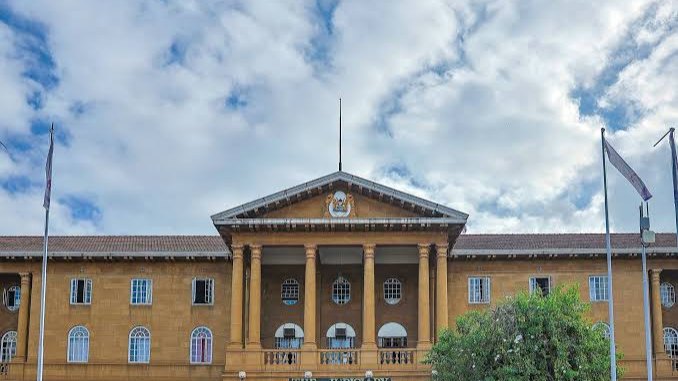
The Judiciary released 1,329 inmates during a prison decongestion exercise carried out in 48 court stations between October and December 2025, according to a new report cited by Nation Kenya.
Over the three months, the High Court reviewed 1,725 cases as part of a wider push to ease overcrowding in the country's correctional facilities.
The findings are contained in the State of the Judiciary and Administration of Justice Report, which was released on Friday.
Relief for petty offenders
According to the report, the exercise gave eligible petty offenders back their freedom, reduced congestion in prisons and cut the expense of keeping inmates in custody.
The report credited coordination among justice-sector agencies for resolving custodial cases, adding that virtual platforms had helped keep legal representation within reach of inmates.
It warned that overcrowded facilities violate the rights of those held, drive up custody costs and lengthen pre-trial detention, especially for suspects facing minor charges or offences that can be reviewed.
Kenya holds more than 60,000 inmates in about 140 correctional facilities, Nation Kenya reported.
Multi-agency approach
To tackle the problem, the Judiciary has turned to several measures, among them virtual court sessions, giving priority to criminal appeals and running decongestion exercises involving several agencies.
The agencies taking part include:
- Court Users Committees (CUCs)
- The Office of the Director of Public Prosecutions (ODPP)
- The Kenya Prisons Service
- The Law Society of Kenya (LSK)
- The Probation Service
Mediation now in all 47 counties
The report also pointed to the expanding role of court-annexed mediation (CAM) as an alternative way of settling disputes, intended to cut the case backlog and lighten the load on courts.
"Where it succeeds, it resolves disputes sooner, reduces litigation costs, preserves relationships and frees judicial time," the report said.
During the period under review, the Judiciary set up 42 new mediation registries, raising the total to 128 and bringing court-annexed mediation services to every one of the country's 47 counties.
A further 61 mediators were accredited and trained. Judges, magistrates, kadhis, registrars, mediation liaison officers and heads of court stations were also taken through how to identify, refer and handle cases suited to mediation.
Public awareness drive
The Judiciary said it had intensified efforts to popularise mediation among the public. These included open days in Kitale and Gichugu, as well as meetings with Court Users Committees in Bomet, Kibera, Kitale and Makueni.
Professional seminars and media programmes were also used to improve public understanding of mediation and to encourage parties to settle disputes outside the conventional court process, according to the report.
Every moment, captured beautifully.
Events, corporate portraits, products and editorial shoots by our newsroom photographers.





More in Crime & Justice
See all
Los Angeles man found guilty of starting deadly Palisades wildfire

Gunmen Shoot at Samburu School Bus Carrying KCSE Candidates, Two Injured

Kenya counts 309 criminal gangs as security report warns of politician patronage
.jpeg)
Ex-Kerra official in forged degree case earlier lost Sh374m assets in laundering suit
DCI cuts police clearance wait in Kakamega from 14 days to under five minutes
Global Community Remarks
0