
Sifuna tops Mwelekeo Insights online poll on 2027 presidency, Ruto second
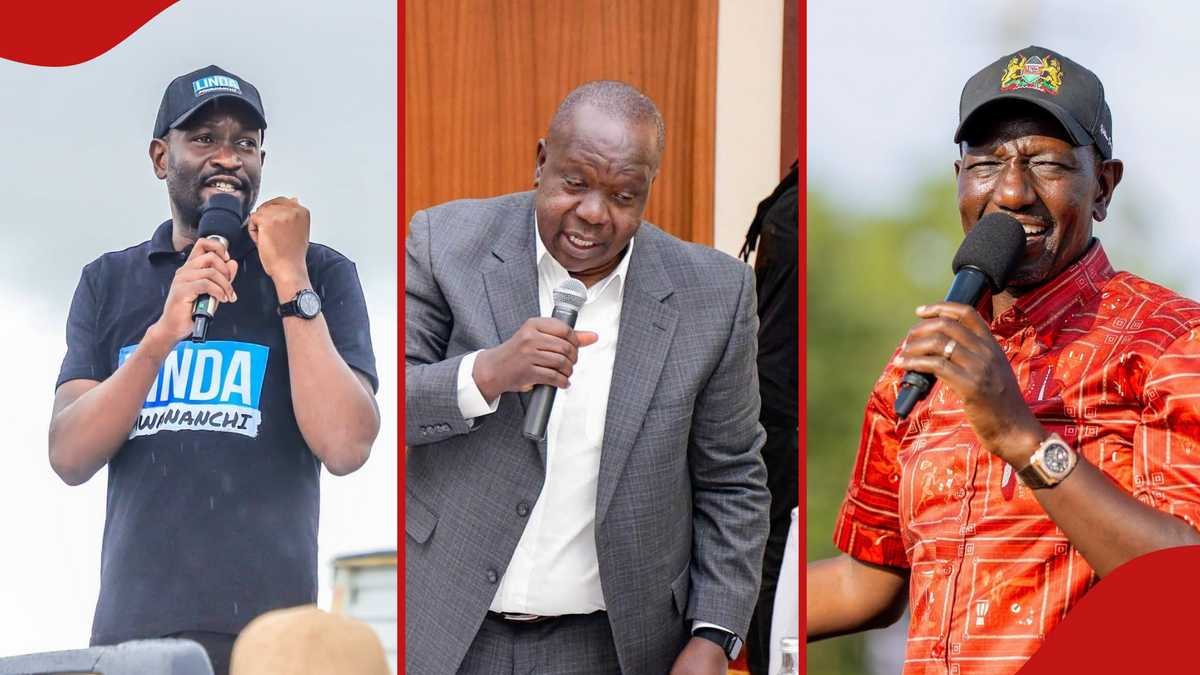
Linda Mwananchi Movement leader Edwin Sifuna has come out on top of an online presidential preference poll by Mwelekeo Insights. He polled more than President William Ruto, according to Tuko.
Sifuna took 25.1% of the 25,672 responses. Ruto was second with 13.4%, a gap of 11.7 percentage points. Mwelekeo Insights carried out the survey between November 11 and November 20, 2026.
Matiang'i and Kalonzo neck and neck
Former Interior Cabinet Secretary Fred Matiang'i came third with 12.6%. Wiper leader Kalonzo Musyoka was a whisker behind him on 12.5%, just 0.1 percentage points lower.
Kiharu MP Ndindi Nyoro and Macharia Njeru tied for fifth place, each with 10.1%. George Wajackoyah followed with 5.5%.
Former Chief Justice David Maraga recorded 3.4%. Busia Senator Okiyah Omtatah had 2.3% and Martha Karua 1.5%.
Gachagua in single digits
Impeached Deputy President Rigathi Gachagua was well down the list with 1.2%. Gospel musician Reuben Kigame scored 0.7%.
Activist Boniface Mwangi and businessman Jimi Wanjigi each received 0.5%. Nominated MP Eliud Owalo had 0.4%, while respondents who chose other candidates or were undecided made up 0.2%.
The full results were as follows:
- Edwin Sifuna – 25.1%
- William Ruto – 13.4%
- Fred Matiang'i – 12.6%
- Kalonzo Musyoka – 12.5%
- Ndindi Nyoro – 10.1%
- Macharia Njeru – 10.1%
- George Wajackoyah – 5.5%
- David Maraga – 3.4%
- Okiyah Omtatah – 2.3%
- Martha Karua – 1.5%
- Rigathi Gachagua – 1.2%
- Reuben Kigame – 0.7%
- Boniface Mwangi – 0.5%
- Jimi Wanjigi – 0.5%
- Eliud Owalo – 0.4%
- Others/undecided – 0.2%
Pollster flags limits of the survey
Mwelekeo Insights was careful to set out the limits of its findings. Respondents took part online and chose to do so themselves, which means the results reflect only the views of the people who responded.
The firm said the sample is not statistically representative of Kenya's electorate. No conventional margin of error applies, and the figures should not be treated as a prediction of the outcome of the 2027 General Election.
Because the poll was self-selecting, its results may be skewed towards candidates whose supporters are more active online. For that reason, they should be read with caution alongside scientific opinion surveys.
Part of an ongoing series
Mwelekeo Insights runs political preference polls at national, county and constituency levels. It says the polls track how electoral dynamics and leadership preferences are changing in the run-up to the next general election.
The firm said the November survey belongs to a continuing series intended to record how public sentiment changes over time.
The same pollster recently released a county-level survey on the Machakos governor race. Tuko reported that the survey suggested Nzioka Waita could beat incumbent Wavinya Ndeti in 2027.
With the general election still months away, opinion polls of all kinds are likely to come thick and fast as aspirants try to show their strength and build alliances.
This story was prepared by the Hamasta Newsdesk with AI assistance, based on reporting by Tuko. Read the original report. Photo: Tuko.


Grow an audience that listens.
Social media management, digital campaigns and online storytelling that converts.



More in Politics
See all
Mudavadi urges Western Kenya to back Ruto as KSh 21bn Kakamega projects unveiled

Pastor Kanyari joins Gachagua's DCP, eyes Kasarani parliamentary seat

Father killed in Teso North crash after collecting son from KCSE exams during Ruto visit

Sifuna Launches Two-Week US Tour to Rally Diaspora Support for 2027 Bid

German President Steinmeier to Hold Talks With Ruto at State House on November 25
.jpeg)
Global Community Remarks
0