
Honduras court convicts three Americans and a local in sex-trafficking network case
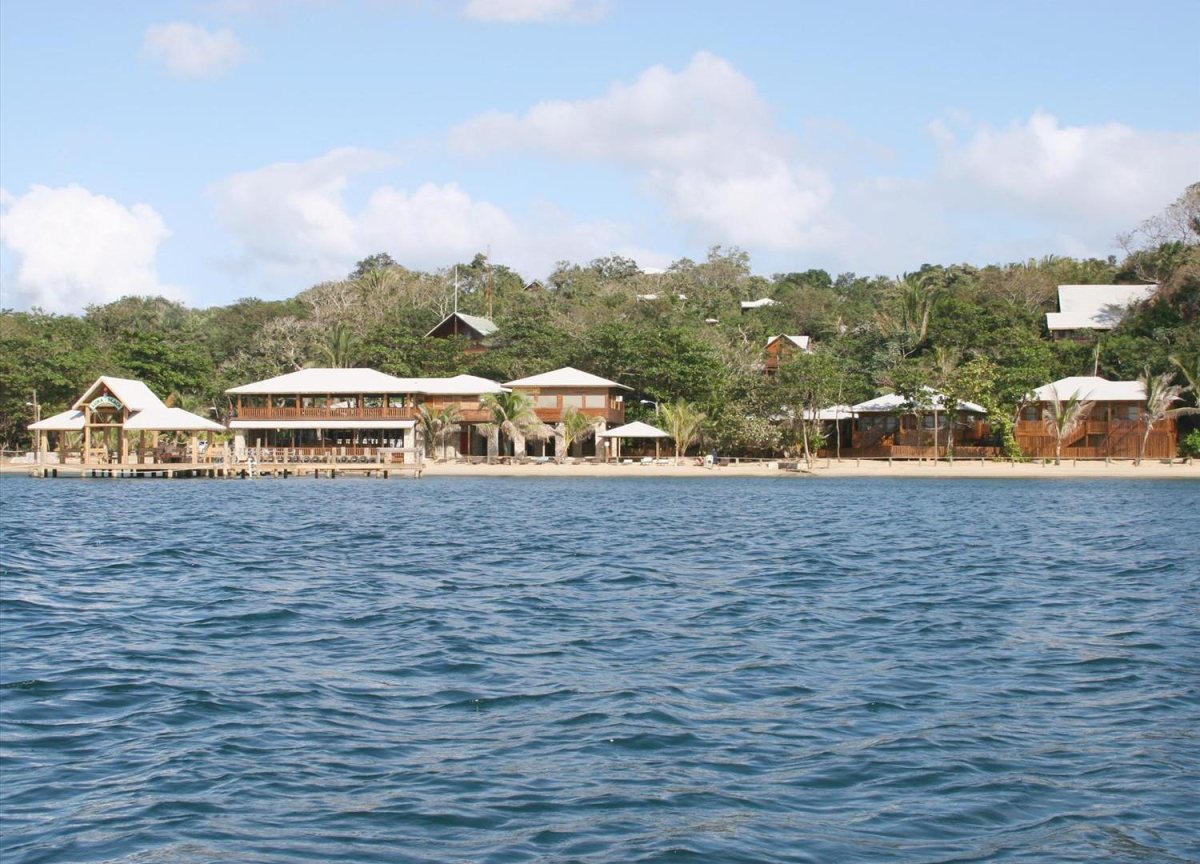
A court in Honduras has found four people, three of them United States citizens, guilty of criminal association over their role in a sex-trafficking network linked to the disappearance of a young woman nearly three years ago, according to Al Jazeera.
The Public Ministry, which also serves as the Attorney General's Office, said on Friday it would ask for the maximum sentence of 10 years in prison for each of the four. The next hearing is scheduled for December 9.
The convicted Americans were named as Harold Green, William James Murdock and Gary Lee Johnston. A Honduran national surnamed Trejo was also convicted. The court found that the group had been involved in locating, recruiting and transporting women through social media.
Acquittal on trafficking charge to be appealed
Green and Murdock had also faced human trafficking charges but were cleared of that offence. The court ruled there was not enough evidence to connect them to the disappearance and alleged trafficking of Angie Pena. Prosecutors said they would challenge the acquittal.
In a statement posted on X, the prosecutor's office said it had secured a guilty verdict against four members of the network known as "Delta Teams", which authorities say has since been broken up. Investigators determined that minors were among the victims of the ring.
Student vanished while jet skiing
Pena, then a 22-year-old university student, went missing on January 1, 2022, while riding a jet ski off Roatan, a Caribbean island off Honduras's northern coast.
Police first believed she had drowned. Her family rejected that theory, insisting she had been taken, and pressed for a proper inquiry. A trafficking investigation began after the jet ski she had been using turned up in Belize, roughly 170 kilometres from Roatan. Investigators later concluded she had fallen victim to the Delta Teams network.
Her whereabouts remain unknown.
Family questions transparency
The trial was held behind closed doors, with neither the public nor journalists allowed in, leading Pena's relatives to raise doubts about how open the process had been.
The case has also been overshadowed by the killing in August of a key protected witness. After his death, videos of a man identified as Dereck McNeil were released in which he accused a special unit within the public prosecutor's office of corruption. The unit, known as ATIC, denies the allegation and says it played no part in the investigation into Pena's disappearance.
Kenia Paz, a lawyer with the Legal Team for Human Rights, which represents the family, said the verdict showed that prosecutors still had work to do because not all lines of inquiry had been followed. She added that the ruling did not answer the family's central question of what had happened to Pena.
"They told us it was an accident; everything was conducted through organised crime."
That was how Pena's aunt, Yenely Diaz, put it in comments to the AFP news agency, as reported by Al Jazeera.
Wider concerns over violence against women
The case has drawn attention to the obstacles women in Honduras face in seeking justice after suffering violence. According to the Economic Commission for Latin America and the Caribbean, Honduras records 4.3 femicides per 100,000 people, the highest rate in Latin America.
This story was prepared by the Hamasta Newsdesk with AI assistance, based on reporting by Al Jazeera. Read the original report. Photo: Al Jazeera.


Take your event live to thousands.
Multi-camera live streams, panel discussions and digital broadcasts with professional crews.




More in International
See all
US Agriculture Department and FBI breached by hackers, US media report
Saudi-led coalition says it shot down three Houthi missiles aimed at Riyadh
Zelensky calls Putin a 'killer' after Trump describes Russian leader as a friend
Qatar Sets Out Modest Dress Rules for Residents and Visitors in Public Spaces
Bolsonaro hospitalised in Brasília with near-complete intestinal obstruction
Global Community Remarks
0