
Nigeria's young voters turn away from the ballot as 2027 election approaches
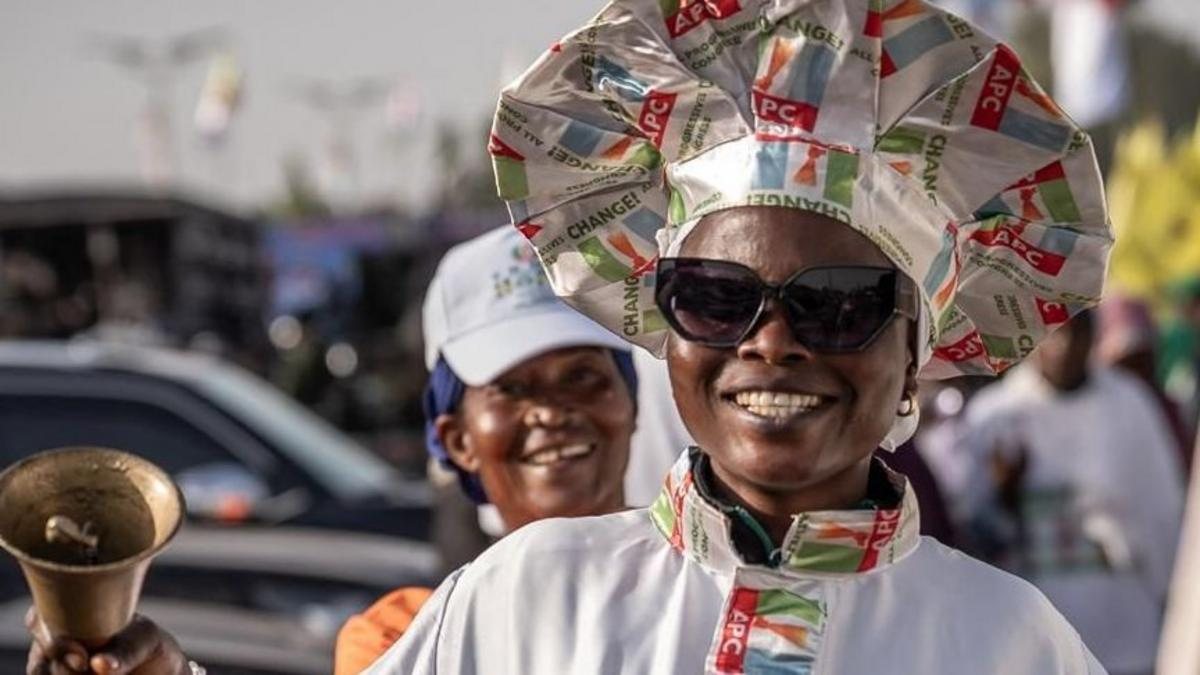
Young Nigerians appear to be stepping back from electoral politics ahead of the general elections due in January 2027, despite making up the overwhelming majority of the country's population, according to BBC News Africa.
Nigeria's voter roll has grown by 10 million since the last election to more than 103 million people. Over the same period, however, registration among those under 35 has fallen by roughly seven million. Young people now account for only 29% of registered voters, compared with 40% in 2023.
About 80% of Nigerians are under 40, the BBC reports.
An ageing field of contenders
The leading presidential candidates are all well past youth. President Bola Tinubu is 74 and would be 79 at the end of a second term. His main rivals are Atiku Abubakar, 79, who is making his seventh bid for the presidency, and Peter Obi, 65.
Of the 18 people running for president, only one is younger than 40. He is Moses Olusoji Adebisi, a 35-year-old businessman standing for the Democratic Leadership Alliance. The BBC notes he is little known and has rarely been seen campaigning, although he says he is confident of victory.
Since civilian rule returned in 1999, the youngest elected president has been Goodluck Jonathan, who took office at 53.
From protest energy to apathy
Young Nigerians have shown they can mobilise. The 2020 EndSars protests, which began over police brutality, grew into a broader push for reform and accountability before being suppressed by the authorities. About 56 people were reportedly killed, a figure officials dispute, and hundreds were arrested.
That momentum fed into the 2023 campaign of Mr Obi, whose social media-driven "Obedients" movement drew millions of young supporters. His defeat left many of them disillusioned, a former supporter told the BBC.
Hajara Musa, 33, told the BBC she has no plans to register, saying she believes outcomes are already settled and the same faces will return to power.
The Independent National Electoral Commission (Inec) says it has tried to reverse the trend, including by appointing nine ambassadors from film, music and comedy to reach younger audiences. The registration figures suggest the effort has had limited impact so far.
The cost of running
For young people who do want to stand, money is a major obstacle. Ahead of the 2023 polls, presidential candidates could legally spend up to 5bn naira on campaigns, a limit that has since been doubled.
The ruling All Progressives Congress (APC), the Peoples Democratic Party (PDP) and the African Democratic Congress (ADC) have each set their presidential nomination fee at 100m naira (about $74,000). Only the PDP and APC have governed Nigeria since 1999.
The age gap extends to parliament. None of Nigeria's 109 senators is under 40, and only 14 of the 360 members of the House of Representatives are.
Abdulhadi Dalhatu, 38, who is contesting a Kano state assembly seat under the Nigeria Democratic Congress, told the BBC he has previously dropped out of races because he could not raise enough money. He also urged young people to engage beyond social media.
Fatima Zahra Umar, a young APC politician, told the BBC that politics in Nigeria is cash-intensive and that cultural attitudes make it hard for voters to trust younger leaders. Political analyst Seun Ajayi argued that many capable young people either avoid politics or settle for minor government roles.
Looking abroad for inspiration
Some Nigerians have pointed to the recent success of young candidates in the US midterm elections. Entertainer Charly Boy, in a widely shared post on X, urged young voters to question candidates on jobs, security and living costs.
"Democracy is not a spectator sport, nor is it about sharing rice," he wrote.
This story was prepared by the Hamasta Newsdesk with AI assistance, based on reporting by BBC News Africa. Read the original report. Photo: BBC News Africa.
Every moment, captured beautifully.
Events, corporate portraits, products and editorial shoots by our newsroom photographers.





More in International
See all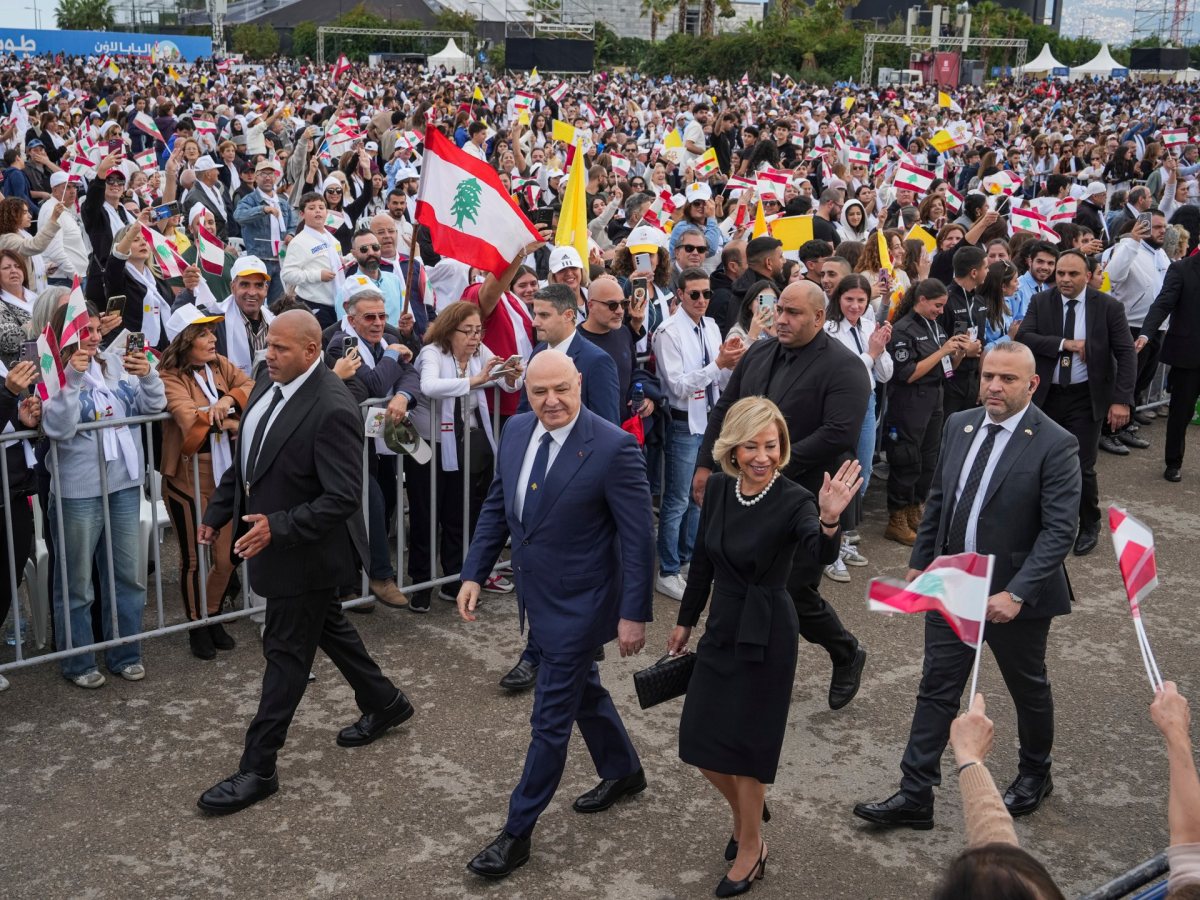
Lebanon's Aoun demands Israeli withdrawal and condemns Iranian interference
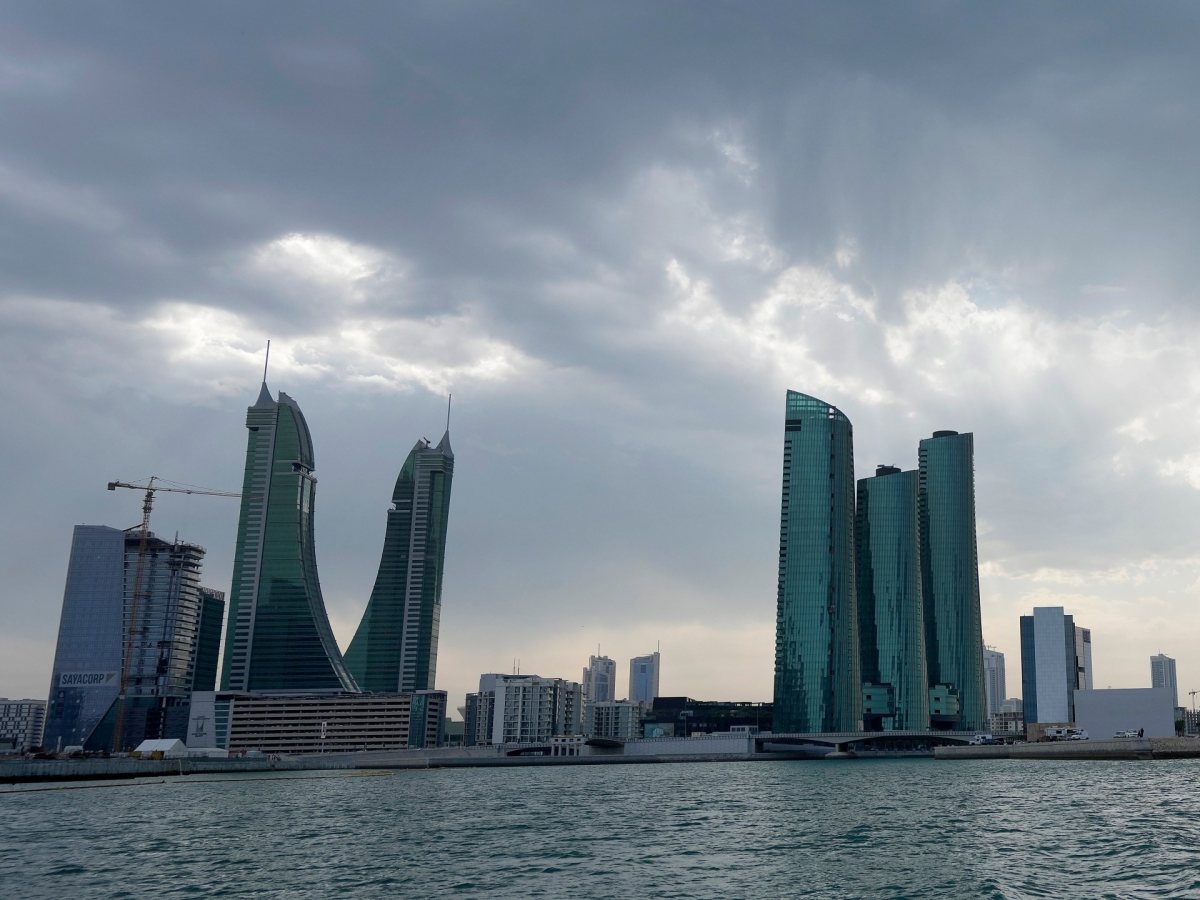
Bahrain says Iranian attack sparked fire at civilian industrial site
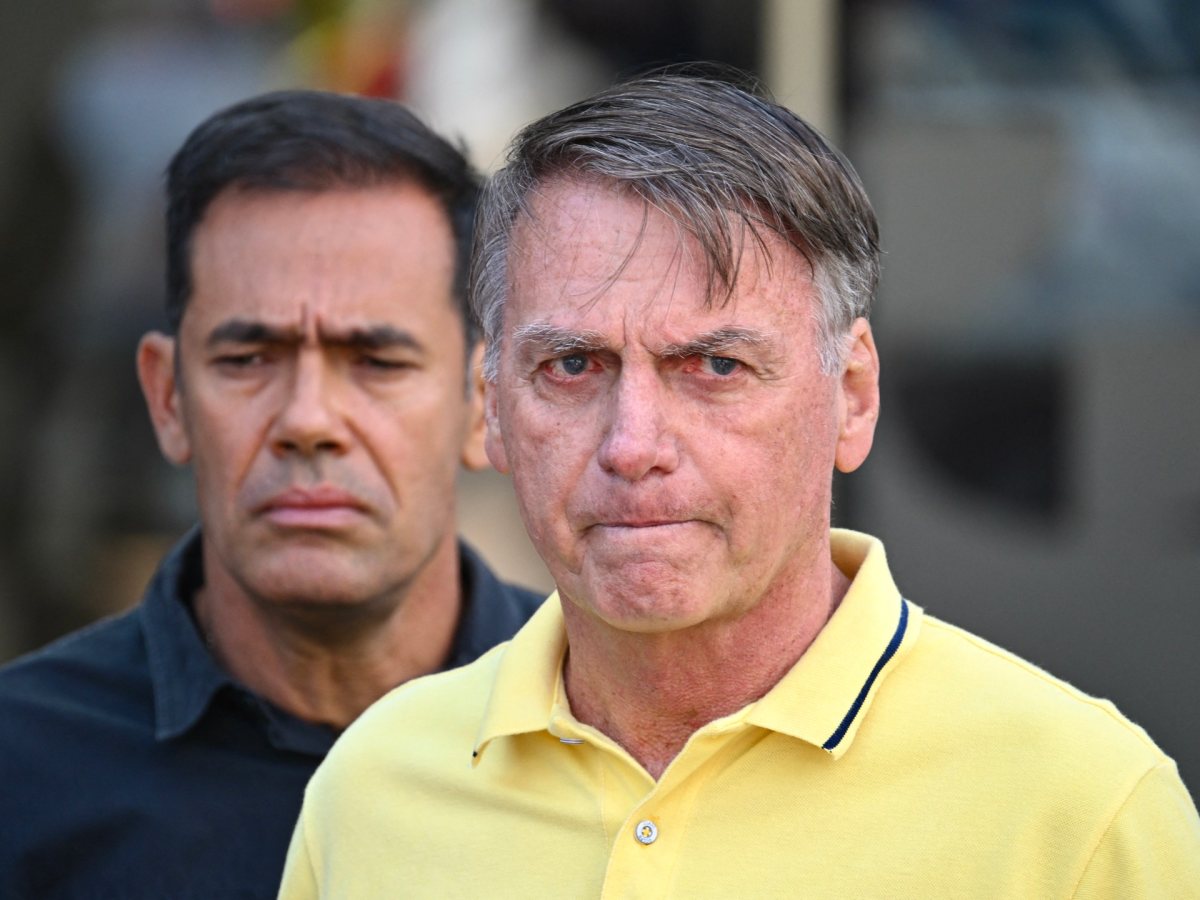
Brazil's jailed ex-president Bolsonaro in intensive care with bowel obstruction
Eisenkot invites Netanyahu's Likud to 'marathon' Israeli coalition talks
South Africa records 581 women murdered in three months as GBV crisis deepens
Global Community Remarks
0