
New SOPs aim to stop sexual violence cases collapsing before reaching court
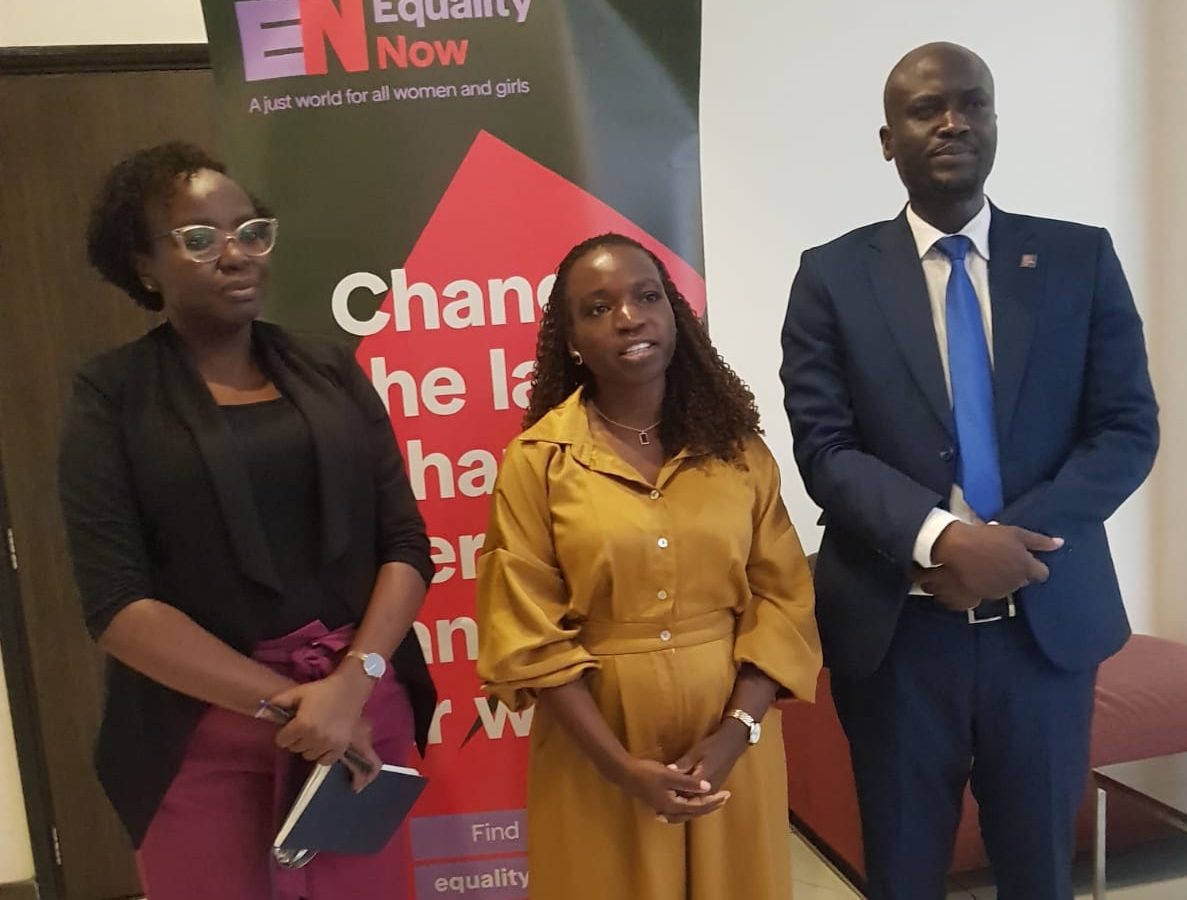
New Standard Operating Procedures (SOPs) intended to close gaps in how sexual and gender-based violence (SGBV) cases are investigated, prosecuted and decided have been introduced to justice-sector actors in the Lake Region, according to KBC.
Members of Court Users Committees (CUCs) drawn from roughly 14 counties attended a sensitisation meeting in Kisumu on the framework. It is designed to ensure that rape, defilement and other forms of SGBV are handled through a coordinated approach that puts survivors at the centre.
Cases falling through the cracks
The procedures target a long-standing problem: many reported cases never make it from health facilities and police stations to prosecution and the courts, leaving perpetrators unpunished.
John Paul Murunga, Associate Director in Gender-Based Violence at Equality Now, an international NGO that campaigns for the rights of women and girls, said the SOPs were a response to persistent weaknesses along the justice chain.
He told the meeting that, although the Sexual Offences Act and other legal protections exist, investigations are sometimes poorly carried out and cases fail to reach court. He cited figures suggesting only one in four survivors report what happened to them.
Some survivors, he noted, seek medical treatment but never go on to report to the police, while others run into obstacles during investigation and prosecution.
Murunga also linked past failures to hold offenders accountable with repeat offences, saying some perpetrators had allegedly targeted several victims.
Clarifying who does what
According to Murunga, the SOPs spell out the responsibilities of police officers, investigators, prosecutors, judicial officers, medical practitioners, children's officers and psychosocial support providers.
The framework is expected to create a clearer referral and response system that follows each case from the moment it is reported to the end of court proceedings. It also seeks to prepare survivors for what lies ahead, including reporting to police, using court services and giving evidence.
Murunga said the initiative had already reached the Coast, Garissa, Central, Meru and Eastern regions, where similar gaps had been found. He was optimistic that involving judicial officers and other stakeholders would strengthen implementation and accountability.
Community voices included
The review of the procedures also took on board recommendations from communities and county governments, which had previously had limited say in the justice process.
Sharon Amendi, who works on gender and community engagement at the Kisumu Medical Education Trust (KMET), said her organisation fed in findings from its work with communities and schools on SGBV prevention and response.
She said those engagements revealed weaknesses in case handling "right from the community up to the justice level."
Amendi said the review gave community and county representatives a stronger role, including in setting up safe houses and supplying information that could assist court proceedings.
The rollout, she added, will be cascaded to individual court stations, where various actors are expected to work together. She stressed that the response must involve medical workers, psychosocial support providers and children's officers, not only the judiciary, and that survivors should receive services that protect their dignity and confidentiality and address their trauma.
She expressed hope that the procedures would reduce institutional gaps and excuses among duty bearers.
Rising national concern
The initiative comes amid growing concern in Kenya over rape, defilement, child marriage and other violence against women and girls.
The Kisumu meeting brought together representatives of the Judiciary, the Office of the Director of Public Prosecutions, the police, civil society, children's services and other justice-sector institutions. Murunga said effective implementation would help close loopholes and boost public confidence in the legal system.
This story was prepared by the Hamasta Newsdesk with AI assistance, based on reporting by KBC. Read the original report. Photo: KBC.


Take your event live to thousands.
Multi-camera live streams, panel discussions and digital broadcasts with professional crews.




More in Crime & Justice
See all
DCI tells court it is not holding two men abducted in Mombasa and Lamu

Suspected Gas Explosion Sparks Early Morning Fire in Kangemi, Destroying Homes
.jpeg)
Court allows mother to sue Nairobi Women's Hospital, doctor over daughter's 2022 death
StanChart says court order backed release of Savula firm's bank records in Sh1.8bn suit
Taxi driver, businessman deny trafficking and filming Nairobi minors for profit
Global Community Remarks
0