
Caine Prize clears Zimbabwean writer Kundizeza of using AI in winning story
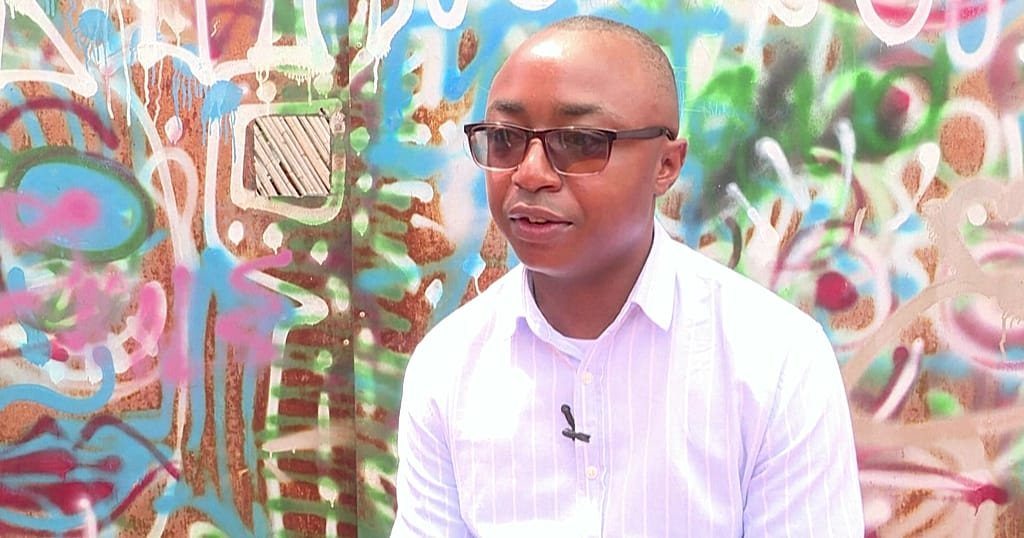
Zimbabwean writer Simbarashe Kundizeza has been cleared of claims that he used artificial intelligence to produce the short story that won him the Caine Prize for African Writing, according to Africanews.
The prize's organisers concluded after a month-long investigation that his entry, The Blue Fighter, was "human-written". Kundizeza said he was "relieved and happy" with the outcome.
The Caine Prize says it now regards the matter as closed. Its internal review included what it described as "rigorous" interviews with the author and an analysis of the metadata in his drafts.
Allegations days after the win
Kundizeza was named winner of the $13,000 award on 6 October. His story follows a family facing financial hardship after the father leaves his job to build fish tanks.
Only days after the announcement, an article in The Atlantic magazine claimed that the AI-detection tool Pangram had found the story to be almost entirely machine-generated.
Speaking to Africanews, Kundizeza said the accusations had been deeply troubling. He likened them to a denial of his very existence and talent as a writer, arguing that they cast doubt not only on his integrity but on his entire body of work.
He questioned the reliability of the technology at the centre of the claims, saying it was not very accurate in his view. For that reason, he said, it mattered to him that the prize took a human-centred approach to the investigation.
The process, he said, gave him the chance to prove his authorship by sharing details and information he held about how the story was written.
Wider debate over race and AI
The case triggered a broader conversation on social media, with some users asking whether Black writers are being unfairly singled out for AI-related accusations.
Zimbabwean academic and author Dr Reggermore Marongedze told Africanews that doubting a person's ability to produce brilliant work amounts to doubting human intelligence itself.
"It's also used in the racial context as well to discredit black scholars," Dr Marongedze said.
New safeguards announced
The Caine Prize says it plans to celebrate Kundizeza in Zimbabwe before the end of the year.
It has also unveiled new measures intended to strengthen protections against the use of generative AI in future entries. These include:
- AI declarations from publishers submitting stories;
- AI declarations from all shortlisted writers;
- an AI use policy to guide entrants.
The Caine Prize is one of the best-known awards for short fiction by African writers, and the episode has drawn attention to the growing use of AI-detection software to judge creative work, as well as to questions about how accurate such tools are.
This story was prepared by the Hamasta Newsdesk with AI assistance, based on reporting by Africanews. Read the original report. Photo: Africanews.


Take your event live to thousands.
Multi-camera live streams, panel discussions and digital broadcasts with professional crews.




More in Entertainment
See all
Dak'Art Biennale opens in Dakar with focus on resilience and 'antifragility'

GTA VI earns record $3.8 billion on day one, overtaking Avengers: Endgame

Citizen TV's Jamila Mohamed Among Seven Kenyans Honoured at IGAD Media Awards
Winnie Mandela docuseries nominated for top international documentary award

GTA 6 tops $2bn in launch-day sales, says industry estimate

Global Community Remarks
0