
San Francisco rides AI boom as insiders warn the sector may be overheating
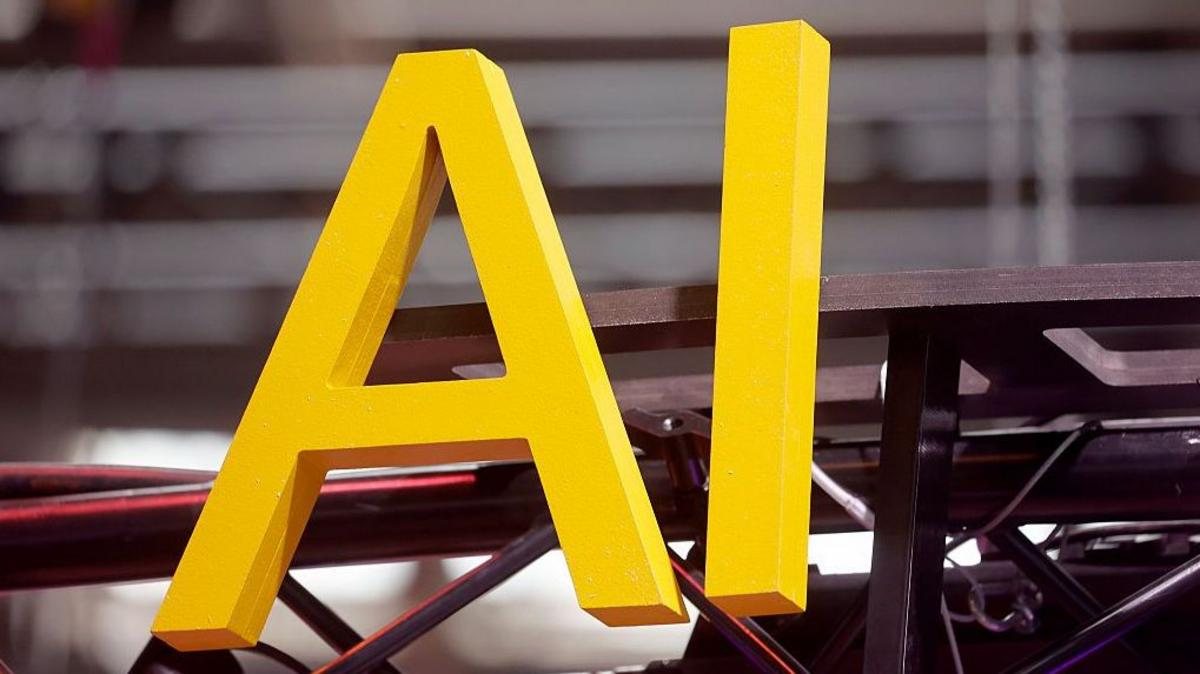
San Francisco's artificial intelligence boom is breathing new life into a city hollowed out by the pandemic, but some of the people building the technology now fear the sector is heading for a fall, according to BBC Business.
Economists interviewed by the broadcaster say a sharp correction would hurt the city. They argue, however, that the damage may be milder than feared, because AI firms employ relatively few people compared with earlier tech booms.
A city revived
San Francisco lost residents during the pandemic, and remote working left its downtown weakened. AI has since become the main engine of its recovery. Leading firms OpenAI and Anthropic are based in the city, and thousands of smaller AI start-ups have sprung up around them.
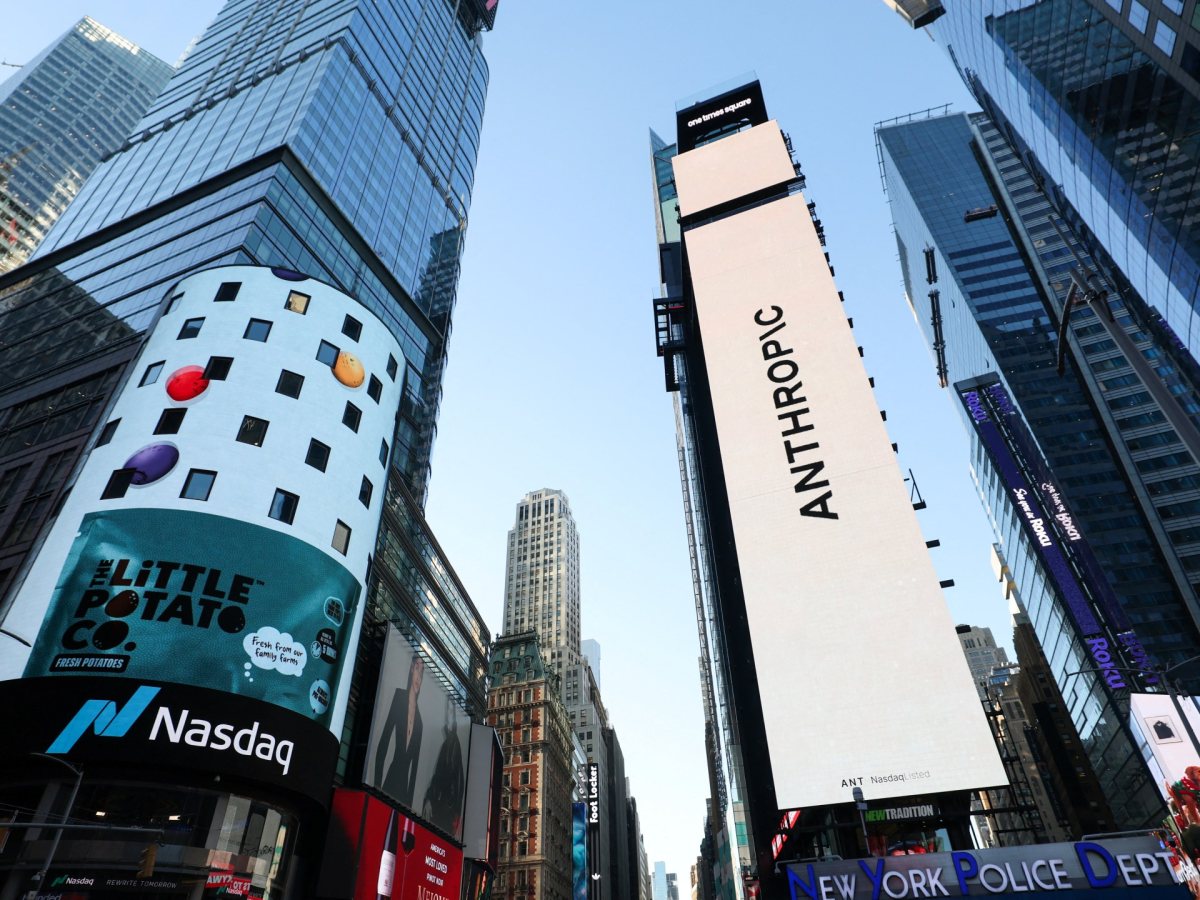
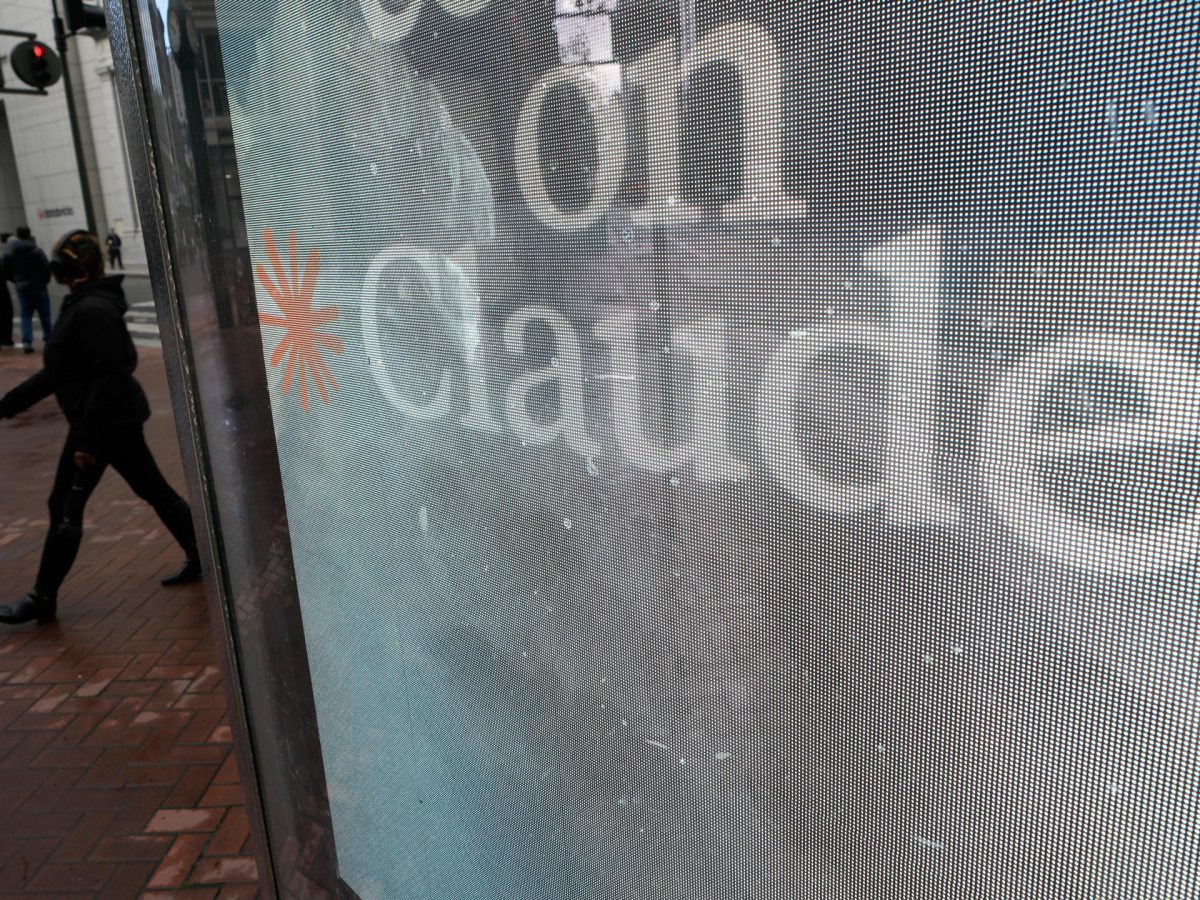
BBC Business reports that the signs are visible across the city: rents and house prices are rising, fewer offices are standing empty, and buses and billboards carry cryptic AI advertisements. Anthropic, which makes the Claude chatbot, listed on New York's Nasdaq exchange last week.
The spending is also reaching other sectors. Lauren Goldboss, who owns a small dog-walking company, has been taking on staff and buying vans as her office dog-walking service, Paw Perk, wins customers among AI start-ups.
Warnings of a correction
The International Monetary Fund warned last month that a significant fall in AI share prices, and a resulting drop in investment, was a possibility. Concerns have persisted amid a scandal involving Jensen Huang, the former boss of chipmaker Nvidia, which triggered some wider falls in AI stocks. Nvidia itself remains highly profitable. On Wednesday it reported quarterly profits of $65bn, double the figure of a year earlier.
One AI worker at a major San Francisco company, who asked not to be named, told BBC Business he was sure a crash was coming and that it would affect him. He questioned whether US AI firms can earn enough to justify their huge spending as cheaper and increasingly capable models emerge, particularly from China. Even so, he said he was not worrying about things beyond his control.
A second anonymous worker said a significant correction was entirely possible. He added, however, that many people in his circles were more concerned about the existential risk AI could pose to humanity, and that a market downturn would be a comparatively welcome worst case.
Why the city is exposed
The boom is concentrated in San Francisco itself rather than in Silicon Valley, about 40 miles to the south. One study cited by BBC Business found that 60% of venture capital invested in US AI companies between 2023 and 2025 went to firms based in the city.
Yet hiring has not kept pace with the money. Jeff Bellisario, executive director of the Bay Area Council Economic Institute, said recruitment had not matched the scale of investment and new company formation. Ted Egan, chief economist for the City and County of San Francisco, said the city was not seeing large overall growth in tech jobs.
Enrico Moretti, an economics professor at the University of California, Berkeley, estimates that San Francisco remains about 35,000 jobs below its pre-pandemic peak. Much of the AI industry's spending goes on data centres and computing power, most of which are located outside the Bay Area.
Moretti nonetheless warned that a significant correction could be very painful. He said the main effect would be felt in service jobs, from restaurants and shops to personal services such as dog walking. Office vacancies could also climb, cutting downtown foot traffic and weighing on rents and house prices.
Other cushions
Healthcare and tourism are also growing, and the city has worked to improve downtown safety and cleanliness. Egan said he did not expect an AI slowdown to change the city's overall direction, describing it as something to be expected rather than a major turning point.
"I think of it primarily as a hiccup that we should expect," Egan said.
Bellisario and Moretti said the city government's options were limited, but that supporting non-tech industries and keeping financial reserves could help.
For Goldboss, the approach is to keep building while demand lasts and adapt if a downturn arrives, accepting it as part of doing business in San Francisco.
This story was prepared by the Hamasta Newsdesk with AI assistance, based on reporting by BBC Business. Read the original report. Photo: BBC Business.



Grow an audience that listens.
Social media management, digital campaigns and online storytelling that converts.



More in Business
See all
Anthropic heads for record US share sale as debate over AI bubble intensifies
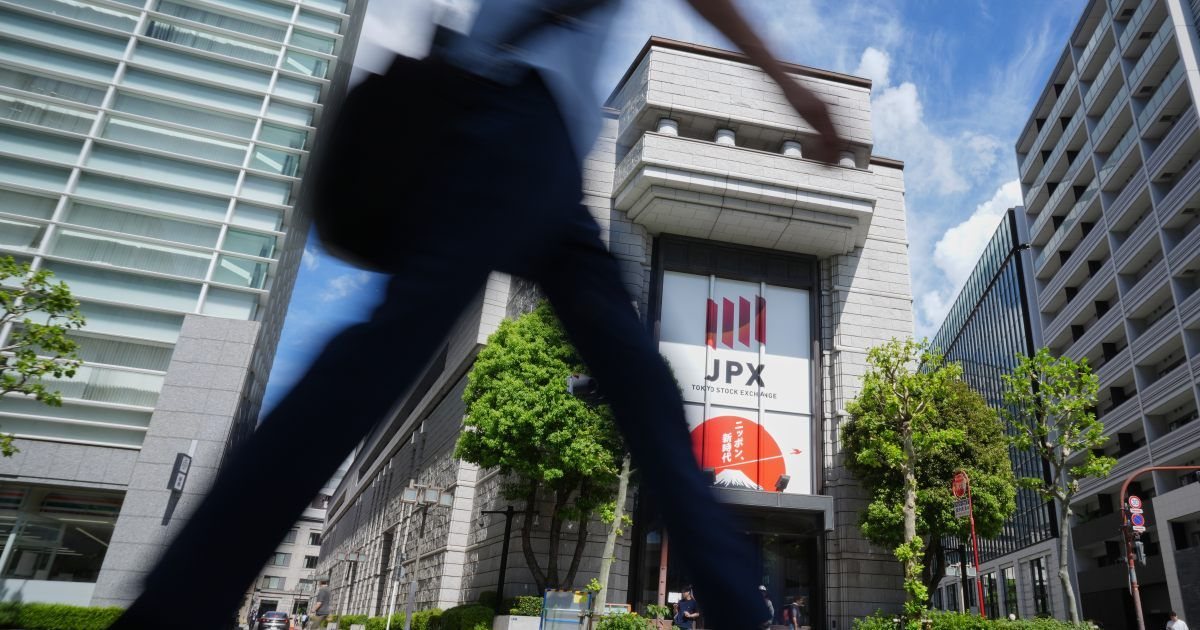
Asian stocks tumble as Anthropic's record debut fails to calm AI bubble fears
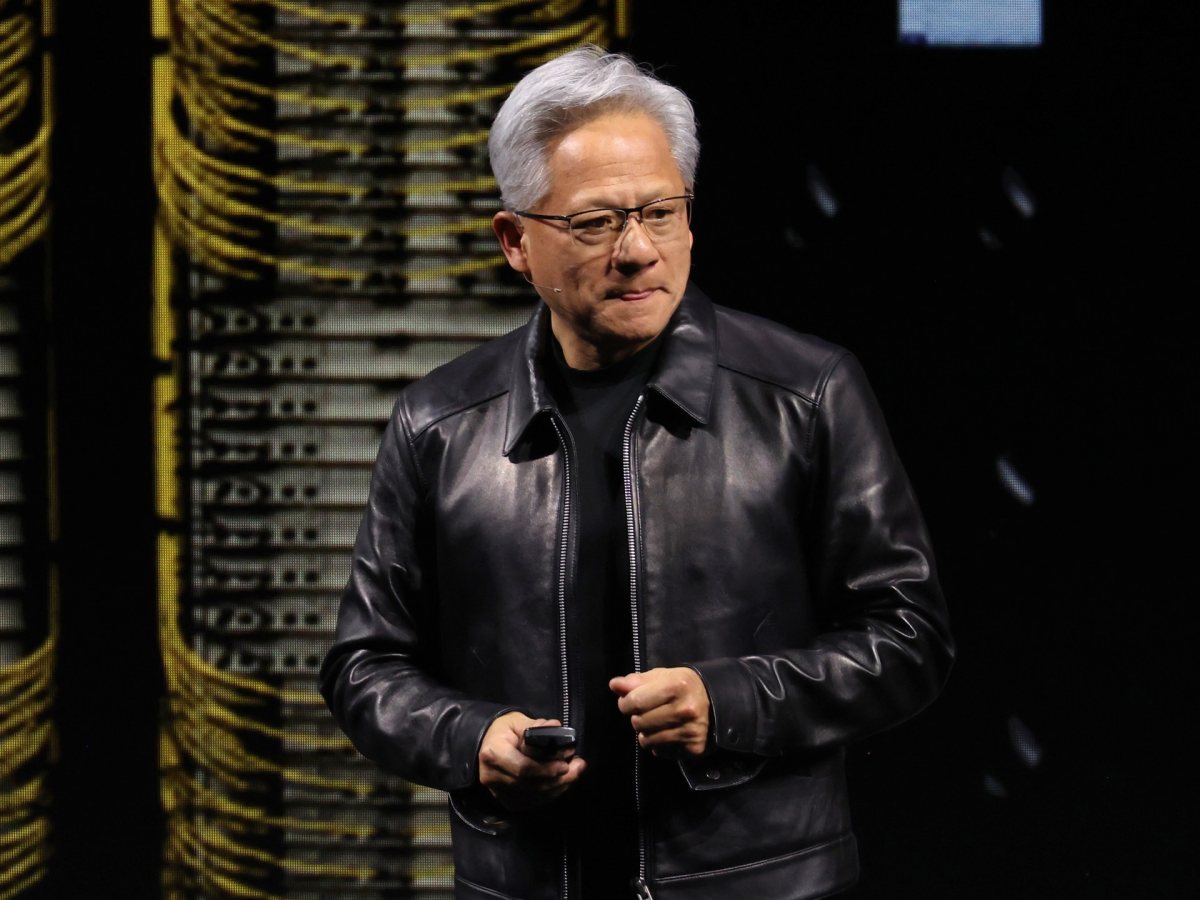
Musk and Silicon Valley insiders push Nvidia to bring back Jensen Huang as CEO
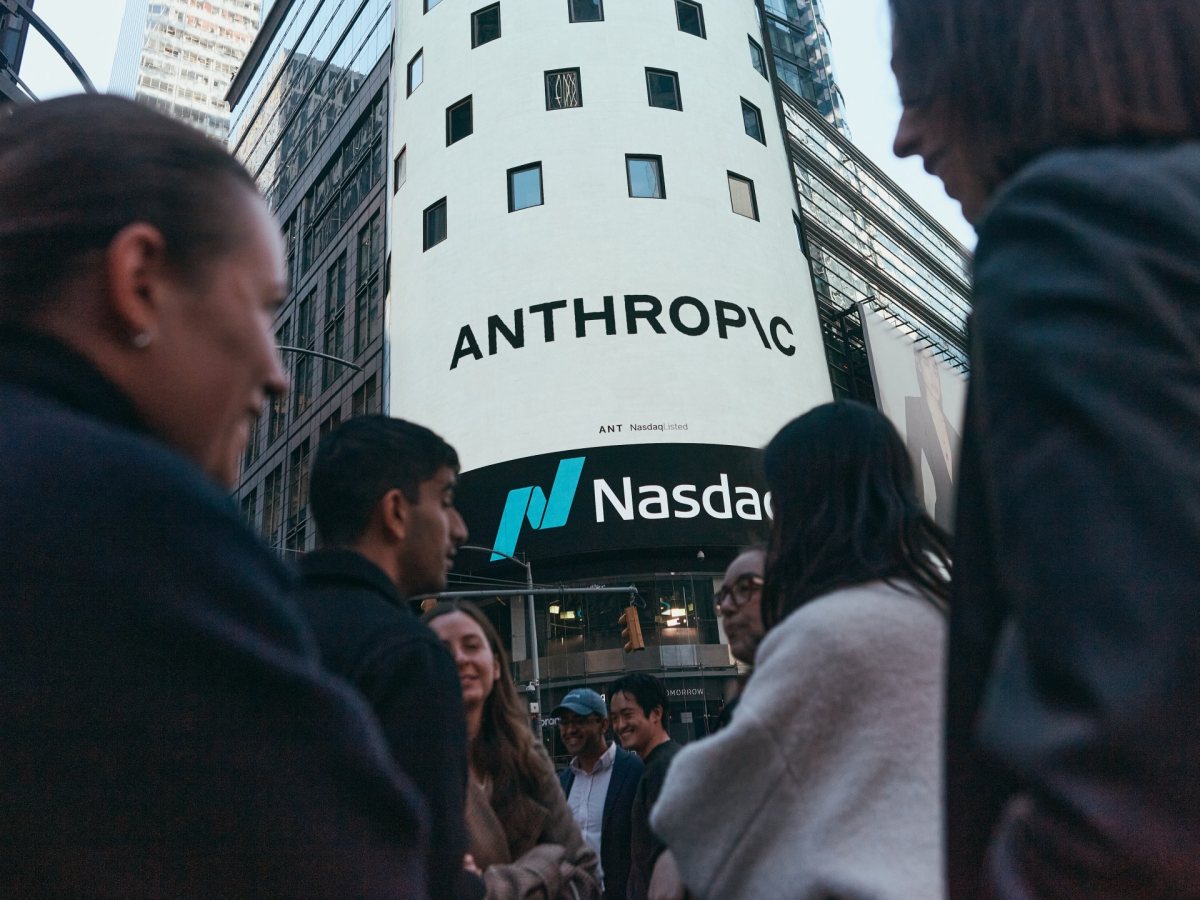
Anthropic shares slide a day after record IPO as US tech sell-off deepens
Anthropic shares jump 34% on Nasdaq debut after record $81bn IPO
Global Community Remarks
0