
NCIC summons lawyer Ndegwa Njiru over alleged insults against President Ruto
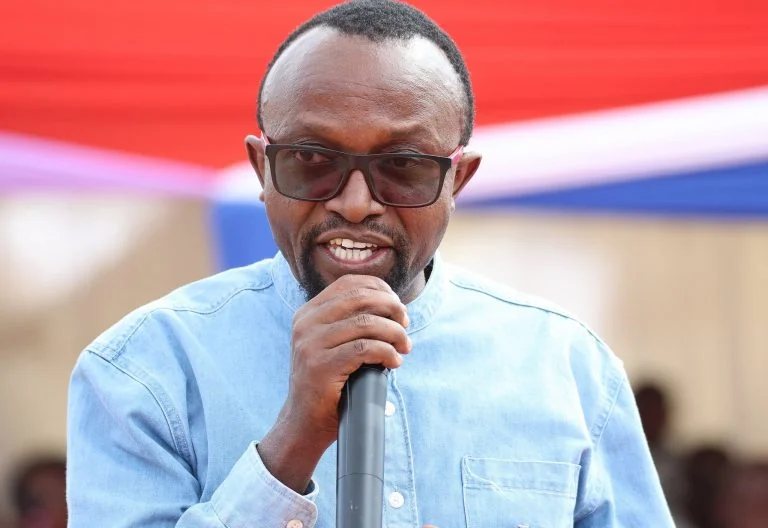
The National Cohesion and Integration Commission (NCIC) has summoned lawyer Ndegwa Marclus Njiru to answer for remarks he allegedly made against President William Ruto at a political rally in Mwala, Machakos County, according to KBC.
Njiru has been directed to appear before the commission in Nairobi at 11am on Thursday, December 3, 2026. He is expected to respond to statements he is said to have made at the rally on November 22.
The summons, dated November 26, states that preliminary investigations have found reasonable grounds to look into possible breaches of the Constitution, the National Cohesion and Integration Act and the Penal Code.
Remarks cited by the commission
According to the summons, as reported by KBC, Njiru allegedly described the President as "takataka", a Swahili word meaning rubbish. He is also said to have accused the Head of State of killing young people, encouraging corruption, stealing public resources and selling Safaricom. He then allegedly asked the crowd whether President Ruto should leave office.
The lawyer is further said to have questioned the President's fitness to lead. He reportedly asked rally-goers whether Wiper Party leader Kalonzo Musyoka had the experience needed to become president, arguing that the country needed to be rescued by someone with the right skills.
Concerns over peace and cohesion
The commission says the statements raise fears of a possible breach of the peace and could worsen political and ethnic tensions.
It also points out that the remarks were aimed at the President, who is recognised under Article 131(1) of the Constitution as a symbol of national unity.
NCIC is examining possible violations of:
- Article 28 of the Constitution, which protects human dignity;
- Article 33(3) of the Constitution, which requires anyone exercising freedom of expression to respect the rights and reputation of others;
- Section 13(1)(a) of the National Cohesion and Integration Act, which makes it an offence to use threatening, abusive or insulting words intended to stir up ethnic hatred;
- Section 94(1) of the Penal Code, which deals with conduct likely to cause a breach of the peace.
The commission says it is acting under Sections 25(1) and 25(2)(i) of the National Cohesion and Integration Act. These provisions give it the mandate to investigate ethnic or racial discrimination and threats to national cohesion.
Right to respond
In the summons, NCIC says Njiru will be allowed to respond at the hearing. He may present evidence and make any submissions he wants the commission to consider.
The commission has also warned that failure to appear could lead to arrest warrants. It added that he could face criminal or contempt proceedings.
Njiru's response to the summons was not included in the KBC report.
This story was prepared by the Hamasta Newsdesk with AI assistance, based on reporting by KBC. Read the original report. Photo: KBC.




Know what people say about you.
Media monitoring, audience insights and strategic communication for your brand.


More in Politics
See all
Wiper's Ndegwa Njiru denies joining Ruto camp, says he rejected Kirinyaga Senate offer
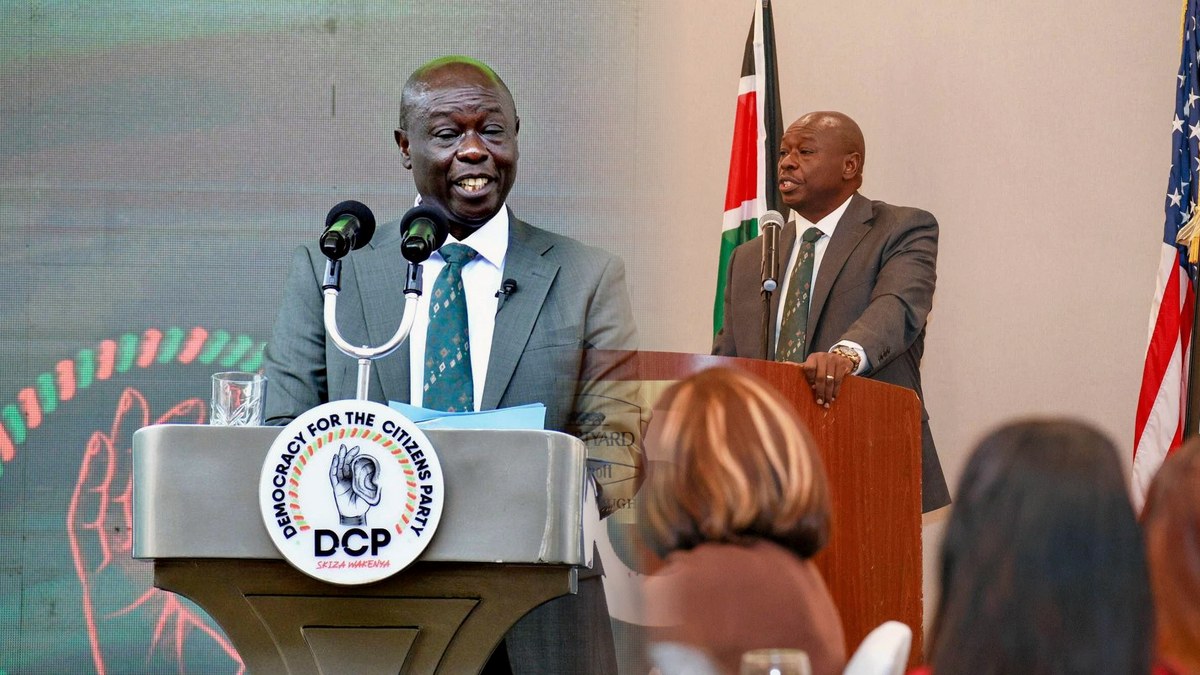
Gachagua faces DCP wrangles, Mt Kenya pressure and NCIC summons as he prepares to return from US
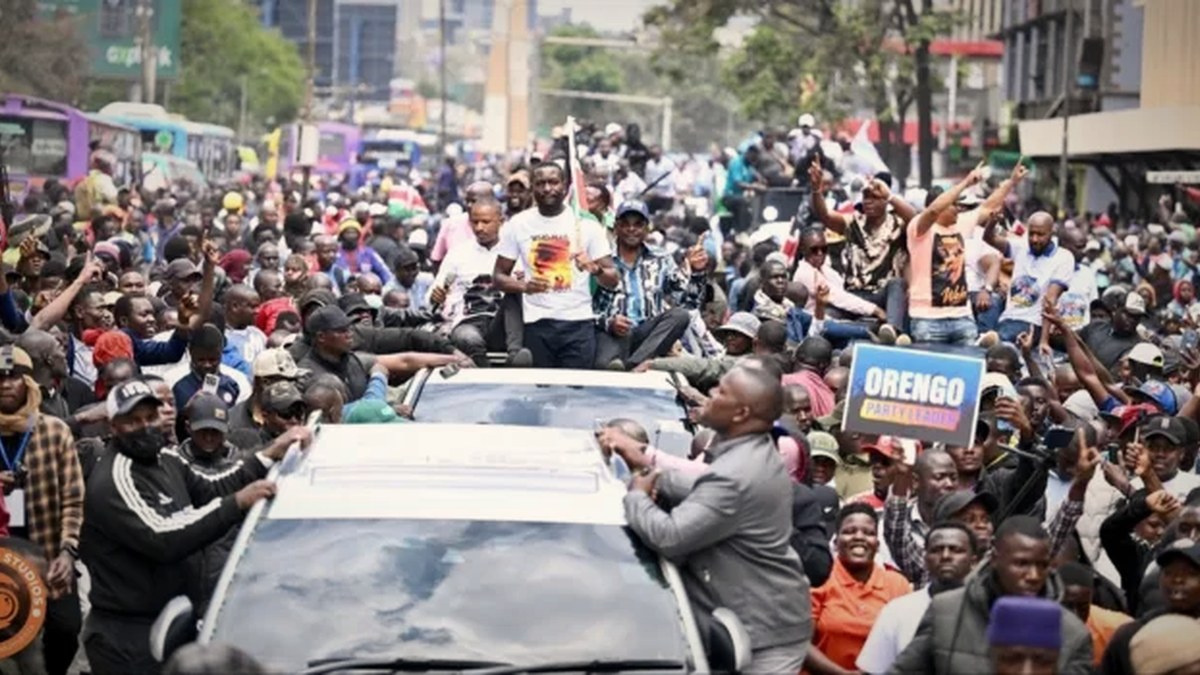
NCIC summons ex-Makadara MP Reuben Ndolo over alleged threats to mobilise youth
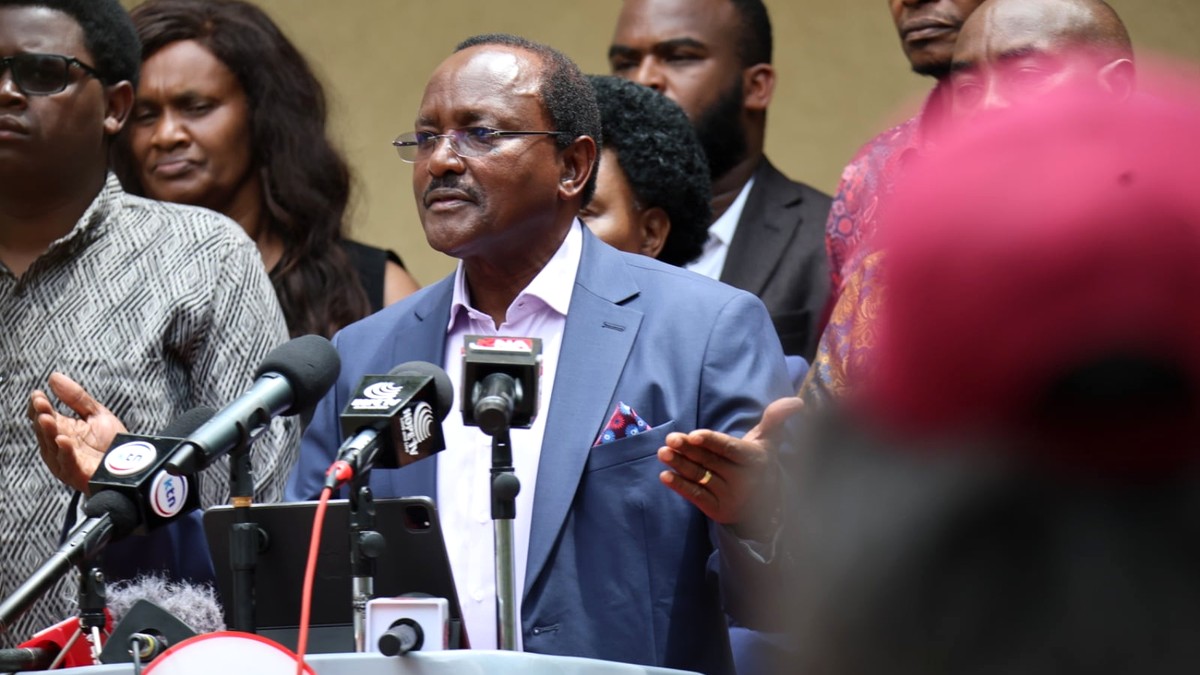
Wiper says viral Kalonzo-Ruto photo is from 2018 condolence visit, insists the two will 'only meet at the ballot'
NCIC faults Governor Lenku over 'enemies' remarks on Maasai political representation
.jpeg)
Global Community Remarks
0