
KPA Loses Court Bid to Block Ex-Imam's Return to Century-Old Mombasa Mosque
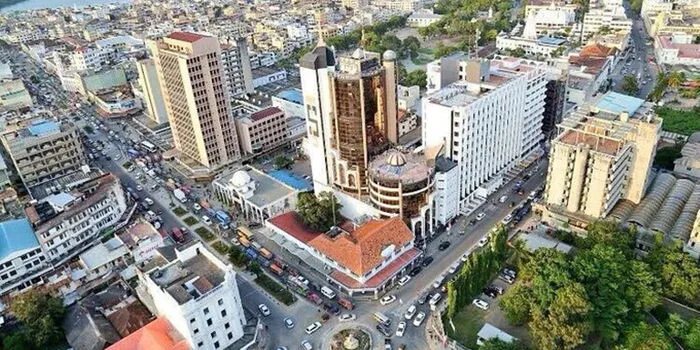
The Kenya Ports Authority (KPA) has failed in its attempt to stop a former imam from regaining control of a mosque built more than a century ago inside its Makupa staff estate in Mombasa, according to Kenyans.co.ke.
Justice Belinda Akello of the Environment and Land Court on Thursday, November 26, threw out three applications in which the state agency sought to halt enforcement of a 2024 judgment. That judgment ordered the eviction of people who had removed Alwi Mohammed Dololo from Masjid Mohamed.
A mosque built by railway workers
The place of worship, also referred to as Masjid Sunni or the Ahl-I-Sunnat Wal Jamma't Railway Muslim Mosque, was put up between 1915 and 1920 by Asian labourers who had come to Kenya to work on the railway.
Dololo had taken legal action against individuals he accused of unlawfully ousting him from the mosque. On March 22, 2024, the court in Mombasa found in his favour, issuing a permanent injunction, eviction orders and an order for vacant possession.
KPA claimed ownership of the land
KPA was not involved in the original case. It went to court in July 2026 after learning that a warrant had been issued to enforce the judgment, arguing that as owner of the land it ought to have been heard before any orders touching on the mosque were issued.
The authority told the court the mosque sits within its 15.99-acre Makupa Asian Quarters property, which also hosts staff housing and a kindergarten. It warned that carrying out the eviction could compromise security and interfere with the running of the estate.
Title does not decide who leads prayers
Justice Akello was not persuaded. She found that holding title to the land did not on its own entitle KPA to determine who manages the mosque or leads worship there.
The judge pointed to historical agreements showing that the railway, and later KPA, had acknowledged the role of the Ahl-I-Sunnat Wal Jamma't Society in running the mosque. A landowner that has repeatedly placed a place of worship in a religious society's hands, she said, does not by showing its title establish "a present right to decide who leads the prayers".
The court also held that KPA had gone to the wrong forum. Rather than filing a fresh suit to block enforcement, the authority should have sought a review before the court that delivered the 2024 judgment.
On the request for an injunction, the judge ruled that KPA had neither shown that its property rights were being violated nor provided evidence of real and irreparable harm that would follow if the warrant were executed.
What the ruling means
The decision leaves the 2024 judgment in place and clears the way for enforcement to go ahead. However, the court made clear that it had not ruled on the merits of KPA's broader suit or on the question of who owns the property.
Besides the mosque, the 6.47-hectare parcel includes staff homes and other facilities. A review by Kenyans.co.ke of land benchmarks in Mombasa City suggests the property could be worth about Ksh1.46 billion today, based on a rate of Ksh91.3 million per acre. The outlet noted that the true market value would depend on a formal valuation and any conditions attached to the land.
This story was prepared by the Hamasta Newsdesk with AI assistance, based on reporting by Kenyans.co.ke. Read the original report. Photo: Kenyans.co.ke.




Know what people say about you.
Media monitoring, audience insights and strategic communication for your brand.


More in Crime & Justice
See all
Two Dead After Suspected Gas Explosion Sparks Fire at KPA Cafeteria in Mombasa
KPA Confirms Two Dead in Gas Explosion Fire at Kiosk Outside Mombasa Port
Ben-Gvir accused of stoking 'religious war' as Israeli police seize mosque loudspeakers
Ship agents urge faster upgrades at Mombasa and Lamu ports to curb congestion
Six oil tankers among 51 ships expected at Mombasa and Lamu ports by end of October

Global Community Remarks
0