
Guinea-Bissau junta pushes elections to 2028, citing lack of resources
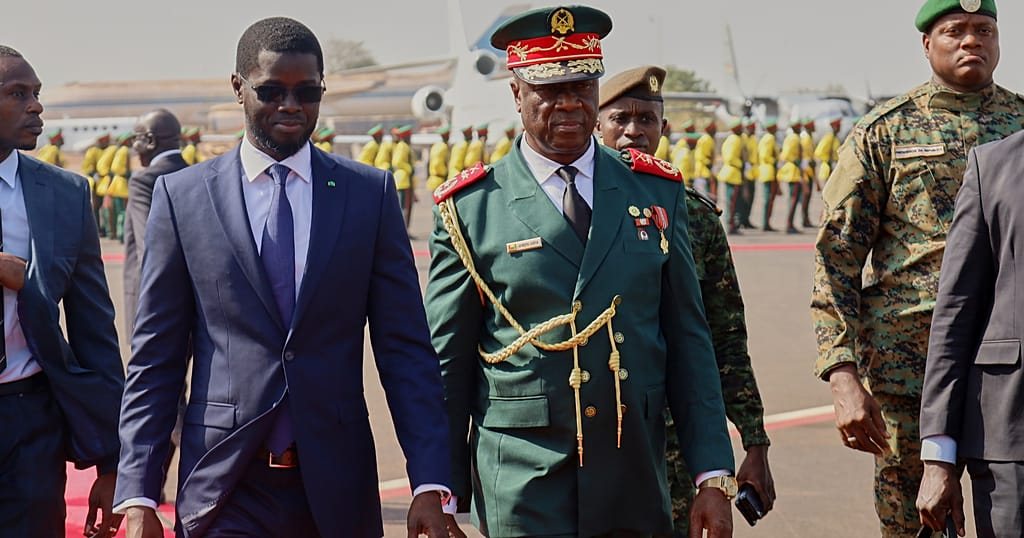
Guinea-Bissau's military government has defended its decision to delay presidential and legislative elections planned for next month, moving the vote to 26 November 2028, according to Africanews.
The postponement abandons the one-year transition to civilian rule the generals promised after seizing power last year. It means the military will have governed the West African nation for three years by the time voters go to the polls.
The presidency said a review of electoral preparations had found insufficient "technical, material, and financial conditions" to stage a credible vote as scheduled in December.
N'Tam calls transition 'positive'
Transitional president General Horta N'Tam addressed the nation on national television on Thursday evening, describing the record of the transition so far as positive.
He said the state had continued to function at all levels in what he called the current "special context", and that the country had kept up good relations with its bilateral and multilateral partners.
N'Tam also praised citizens, saying their conduct during the period had been marked by civility and respect for the authorities. He expressed hope that this would continue.
Sweeping electoral changes
The general said a series of reforms required more time and money than first anticipated. These include:
- A nationwide electoral census, with new mapping drawn up to reflect redrawn constituencies
- A reduction in the number of electoral constituencies from 29 to 12
- A cut in the size of parliament from 102 members to 65
- The country's first-ever municipal elections, which N'Tam said were needed to "institutionalise local authorities"
Background to the coup
The military took power on 26 November 2025, on the eve of the expected announcement of provisional results from presidential and legislative elections held three days earlier. President Umaro Sissoco Embalo was removed and the electoral process was halted.
Many observers suspected that Embalo had himself orchestrated the takeover to stop a vote he appeared to be losing, Africanews reported. However, the current leadership has since taken several steps that suggest it is distancing itself from the former president.
In August, the military government held a constitutional referendum that replaced the country's semi-parliamentary system with one granting stronger powers to the president. The opposition had urged a boycott of that vote.
Regional pressure
The Economic Community of West African States (ECOWAS) had called for a short, structured and transparent transition back to civilian rule following Embalo's removal. The new 2028 date is likely to draw scrutiny from the regional bloc, which has faced a series of military takeovers among its members in recent years.
Guinea-Bissau, a Portuguese-speaking country, has experienced four previous coups and attempted coups since it won independence from Portugal in 1974.
This story was prepared by the Hamasta Newsdesk with AI assistance, based on reporting by Africanews. Read the original report. Photo: Africanews.
Every moment, captured beautifully.
Events, corporate portraits, products and editorial shoots by our newsroom photographers.






More in International
See all
Spain's Sanchez says he cannot lose despite polls favouring right-wing bloc
Burundi electoral body bars opposition leader Agathon Rwasa from presidential race

Ukraine proposes Black Sea ceasefire to protect grain exports, awaits Russia's reply
Canada Makes Rural Immigration Route Permanent, Five Ontario Towns Included
US: Conditional green card holders cannot renew cards like other permanent residents

Global Community Remarks
0