
"RAILA WON 2022,” UHURU SAYS: MOUNT KENYA’S “MULIMA” KINGPINS FACE A NEW POLITICAL TEST
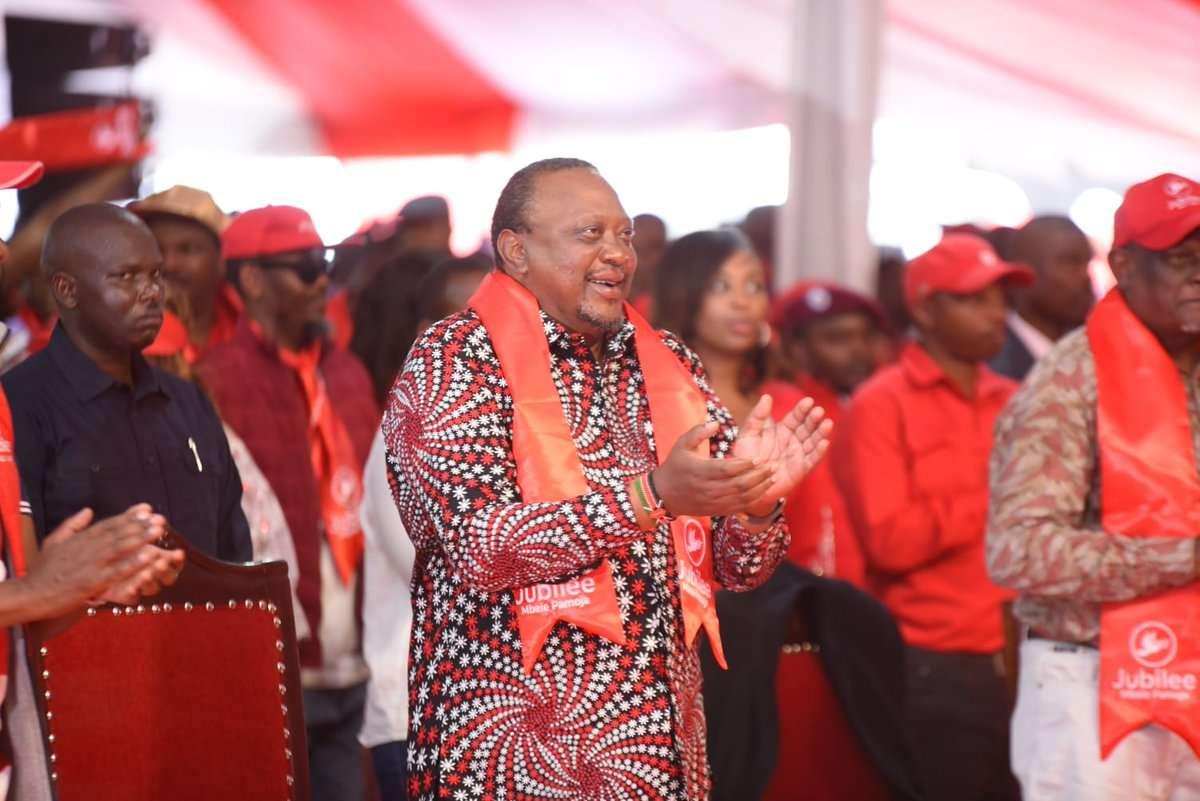
Four years after the Supreme Court upheld William Ruto’s victory, Uhuru Kenyatta’s renewed claim that Raila Odinga won the 2022 election has reignited debate over political alliances, the 2027 succession battle and who will command Mount Kenya’s vote.
The assertion that Raila Odinga won the 2022 presidential election has returned to the centre of Kenya’s political discourse following fresh remarks by former President Uhuru Kenyatta.
Speaking during a Jubilee Party National Executive Council meeting in Nairobi on September 22, 2026, Kenyatta said he remained convinced that Odinga had won the presidential vote.
“Tulifanya kila kitu kumsaidia Baba awe Rais... na mpaka wa leo najua ya kwamba yeye ndiye alishinda hiyo kura.”
Kenyatta’s remarks have reopened a debate that many Kenyans believed had been settled through the constitutional and legal process following the August 9, 2022 General Election.
The Independent Electoral and Boundaries Commission declared William Ruto the winner with 7,176,141 votes, representing 50.49 per cent, against Odinga’s 6,942,930 votes, or 48.85 per cent. The Supreme Court subsequently unanimously dismissed the petitions challenging the presidential election and upheld Ruto’s victory.
THE “PARADOX OF NUMBERS”
At the centre of Kenyatta’s argument is what supporters of the position describe as a contradiction between the presidential results and Azimio la Umoja–One Kenya Coalition’s performance in other elective races.
Kenyatta questioned how a coalition could secure substantial representation in Parliament and county governments while losing the presidency.
His argument has consequently revived questions about voter behaviour in 2022 and whether the results of parliamentary, senatorial and gubernatorial races can be reconciled with the presidential outcome.
However, strong performance in down-ballot races does not, by itself, establish who won the presidential election. The presidential result was separately declared by the IEBC and subsequently upheld by the Supreme Court.
A NEW POLITICAL QUESTION
The significance of Kenyatta’s remarks may therefore lie less in changing the legal status of the 2022 election and more in their potential political consequences.
With the 2027 General Election approaching, revisiting the 2022 contest could influence how former allies position themselves, how political coalitions are negotiated and how leaders mobilise voters around questions of representation, governance and succession.
Kenyatta has also moved toward reshaping Jubilee’s political direction. At the same meeting, he stepped away from the party’s top formal position and endorsed former Interior Cabinet Secretary Fred Matiang’i, while calling for early preparations for the 2027 elections.
WHERE DOES THIS LEAVE MOUNT KENYA?
This brings the conversation to a bigger question: where does this leave the Mount Kenya “MULIMA” kingpins?
For years, Mount Kenya has remained one of the most closely watched political blocs in Kenya because of the size and electoral significance of its voting population. The region has also produced influential political figures who have played major roles in national coalition-building.
The question now is whether the traditional political kingpins can maintain a united political direction as the country moves toward 2027, or whether competing interests will produce multiple centres of influence.
The emerging political landscape could see established figures, former state officials, party leaders and younger politicians compete to shape the region’s political agenda.
Rather than simply asking who controls Mount Kenya, the more consequential question may be: who can build a coalition capable of bringing together the region’s competing interests while also negotiating effectively with political blocs outside it?
THE ROAD TO 2027
Kenyatta’s latest remarks have therefore added another layer to an already evolving political landscape.
His claim that Raila Odinga won the 2022 election does not alter the official result or the Supreme Court’s determination. But politically, it has reopened a conversation about what happened in 2022, how alliances were formed and broken, and what lessons political actors intend to carry into 2027.
As parties begin positioning themselves, the battle may increasingly shift from the politics of 2022 to the question of who will shape Kenya’s next political coalition—and where Mount Kenya will stand when the alliances are finally assembled.
The 2027 contest is still ahead. For now, the political question is no longer simply about who won 2022, but who is organising for what comes next.



Know what people say about you.
Media monitoring, audience insights and strategic communication for your brand.


More in Politics
See all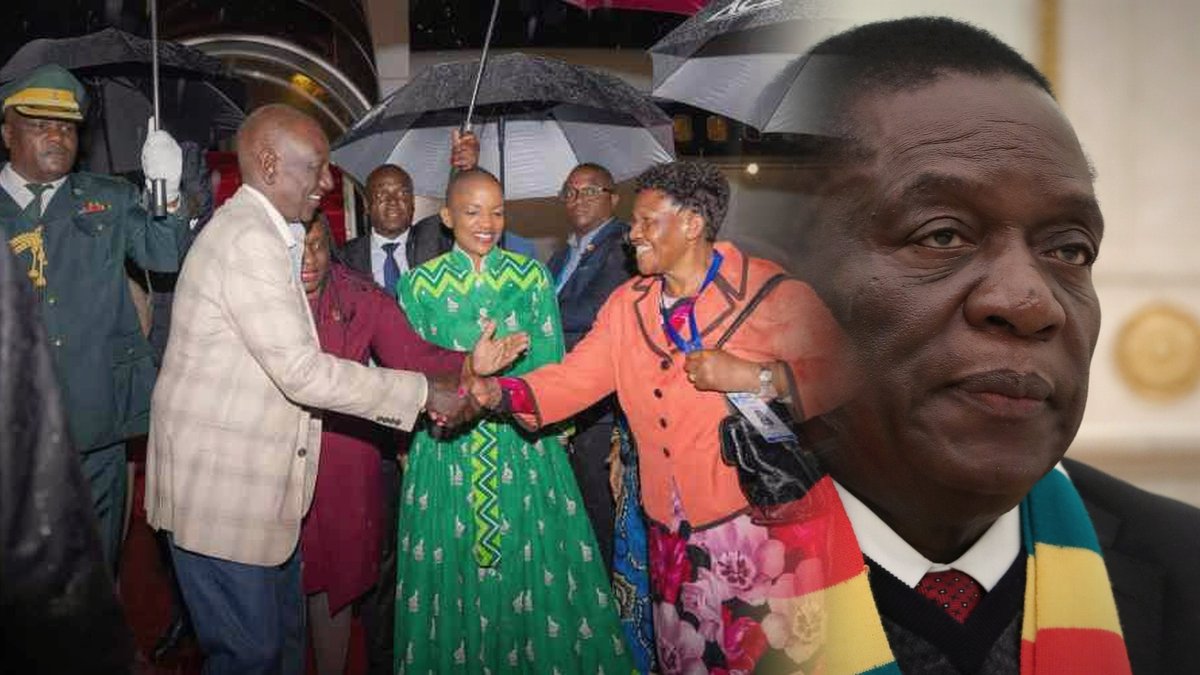
Ruto lands in Harare to hand over COMESA chairmanship to Mnangagwa at 25th summit
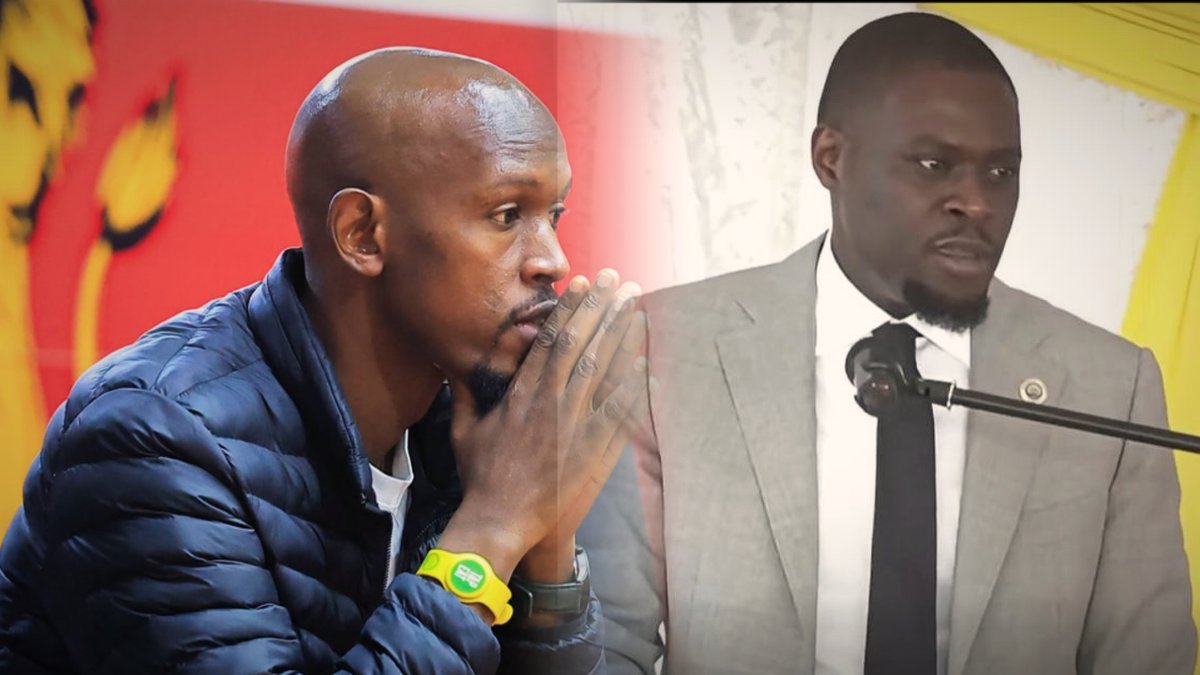
"My only mistake was to outshine my master": Mosiria fires back at Sakaja after sacking
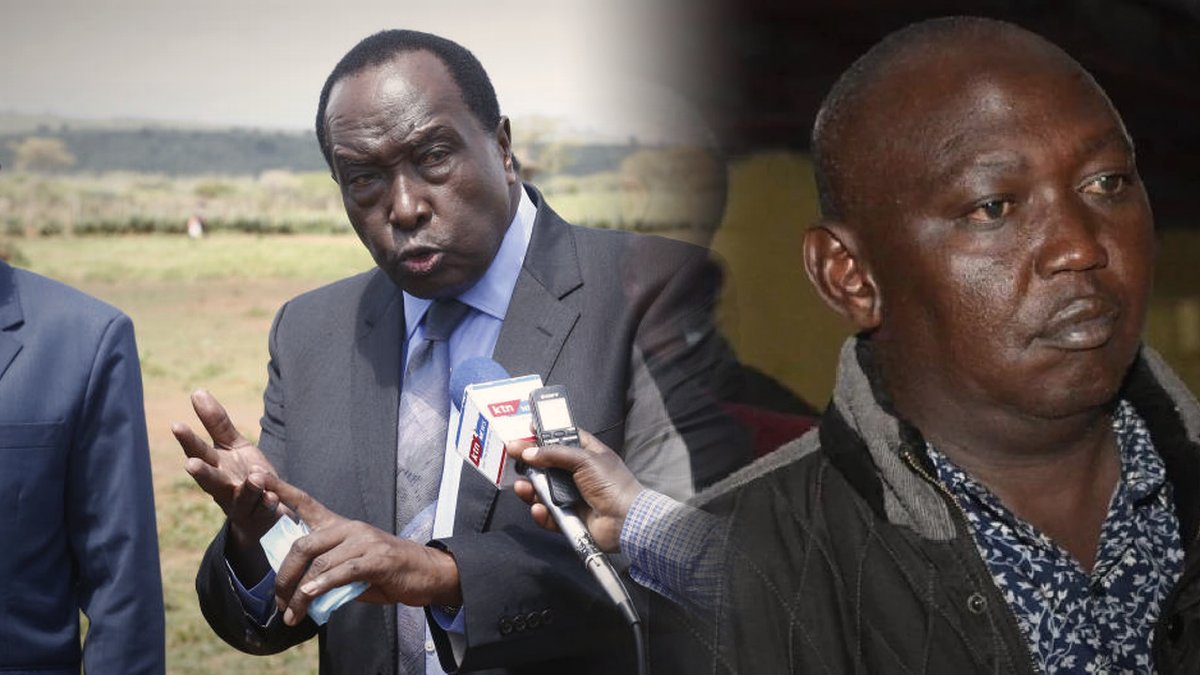
Moi and Komen dynasties line up to take back Rongai seat from UDA's Chebor
Karua, Nyoro and Matiang'i dismiss Ruto's PAYE relief pledge as 2027 campaign bait
Gachagua and Sifuna to take alliance to the ground with first joint rally in Nyahururu
Global Community Remarks
0