
Kenya Gears Up for AFCON 2027: Dreams, Challenges, and Home-Ground Pride
.jpeg)
Kenya is stepping onto the continental stage with high hopes and bold ambitions. As co-host of the 2027 Africa Cup of Nations (AFCON) alongside Uganda and Tanzania, the nation is racing against time to ensure that when the tournament kicks off, the world sees not just football, but a showcase of Kenyan ambition, resilience, and hospitality.
Securing the Dream: The Financial Commitment
In late March 2026, Kenya made a crucial move to cement its role as a co-host. The government, under Sports Cabinet Secretary Salim Mvurya, confirmed that the country had paid the $30 million (about KSh 3.9 billion) hosting fee to the Confederation of African Football (CAF), meeting the critical March 30 deadline.
With Uganda and Tanzania already financially committed, the trio of East African nations now shares a historic partnership — one that promises to elevate football in the region and bring unprecedented attention to East Africa. The formation of a multi-agency Local Organising Committee (LOC) marks a decisive step toward coordinated planning, covering infrastructure, logistics, security, and accommodation.
Stadiums: Ambitions Meet Reality
CAF’s February 2026 inspection was blunt: none of Kenya’s proposed venues fully met Category 4 standards. Pitch quality, floodlights, VIP facilities, and operational systems all needed attention. While this sounded alarming in headlines, officials are confident that the next few months will be transformative.
Key stadiums in focus:
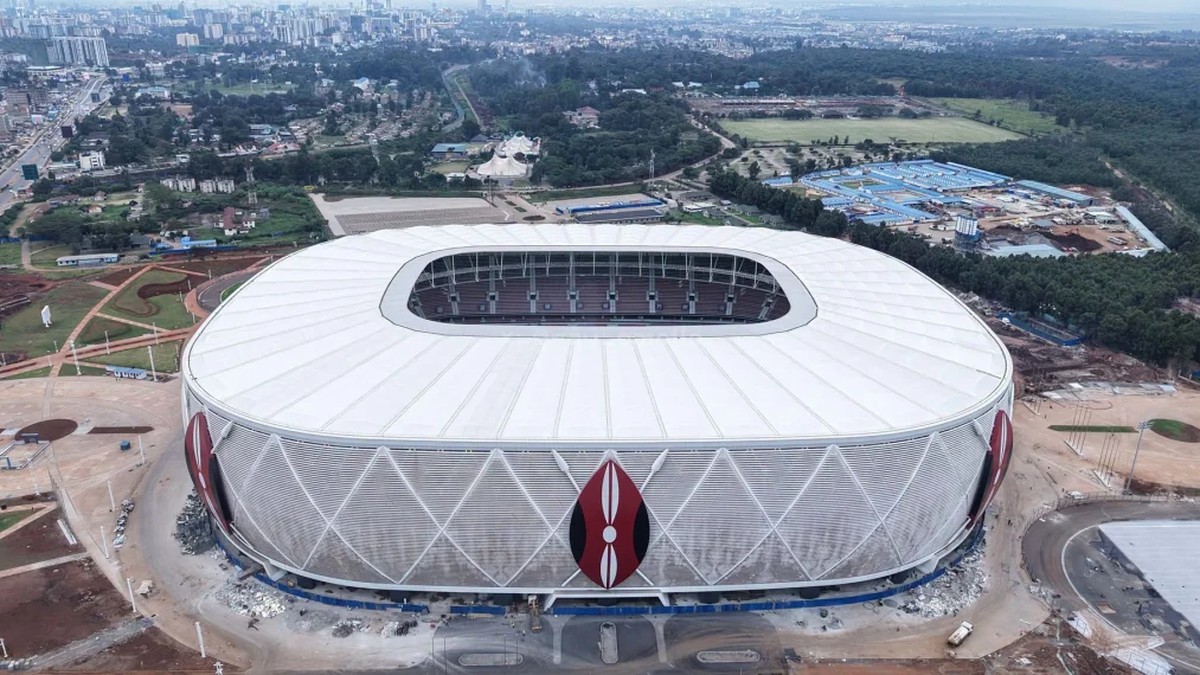
- Talanta Sports City (Raila Odinga International Stadium), Nairobi: The jewel in Kenya’s hosting crown, this 60,000-seater stadium is reportedly 87% complete. Though not in the original bid, it has emerged as the centerpiece. With a KSh 44.7 billion price tag, it promises to be a modern marvel, though final touches on design and operational systems remain.
- Moi International Sports Centre, Kasarani: Renovations are ongoing, addressing past concerns about the pitch, floodlights, and security. Contractor payment delays slowed progress, but the government is actively moving things forward.
- Nyayo National Stadium: Often earmarked for training or secondary matches, it has faced funding challenges. Efforts are now underway to fast-track upgrades.
- Moi Stadium, Kisumu: Completely demolished and being rebuilt into a 10,000+ seater modern facility, this KSh 800 million investment is part of a broader regional infrastructure push.
Other venues like Kipchoge Keino Stadium are under review, with the Ministry of Defence providing oversight. CAF has made it clear that tangible progress by August 2026 is non-negotiable — a checkpoint that could decide Kenya’s readiness.
Harambee Stars: Building a Team for the Home Crowd
For Kenya’s national football team, the Harambee Stars, AFCON 2027 is more than a tournament — it’s a chance to shine at home. Head coach Benni McCarthy, now over a year in charge, has been methodical, blending home-grown talent with players of Kenyan descent from European leagues such as Wrexham, Grimsby Town, and Tranmere Rovers.
Recent outings, including the FIFA Series in Rwanda, offered glimpses of promise. Kenya finished third, highlighted by a dominant 3-0 victory over Grenada. McCarthy emphasizes that time is critical: training camps must be longer, and squad integration deeper, to make the team truly “unplayable” on home soil.
Local stars from Gor Mahia, Kenya Police, and Tusker are being merged with diaspora recruits to create a squad that balances experience, flair, and depth — a recipe designed for both continental glory and national pride.
Beyond the Pitch: Infrastructure and Logistics
The AFCON experience isn’t just about football. Kenya is investing in hotels, roads, airports, and security systems, aiming to deliver a seamless experience for fans, teams, and media. Test events, such as domestic matches and international friendlies, are helping to iron out operational wrinkles.
Every upgrade, every logistical plan, and every test match is a rehearsal for a moment when the world’s eyes will turn to Nairobi, Kisumu, and other host cities.
Challenges on the Road Ahead
While optimism is high, hurdles remain. Renovation delays and past contractor payment issues have drawn criticism. Budget constraints, compounded by a parliament hesitant to increase AFCON allocations, pose a challenge, though supplementary funds are now being released.
Public sentiment is a mix of excitement and cautious scrutiny. Social media debates often intertwine football readiness with politics, but the overarching feeling is clear: Kenya is determined to deliver.
The Timeline to Glory
- Now – August 2026: Stadium upgrades, CAF inspections, and final planning for logistics.
- January 2027: Targeted full operational readiness of all venues.
- Mid-2027: The tournament proper — exact dates pending CAF confirmation.
A Historic Opportunity
AFCON 2027 is more than a football tournament for Kenya. It’s a chance to:
- Boost sporting infrastructure across the country.
- Promote tourism and hospitality in host cities.
- Inspire national pride and regional collaboration in East Africa.
With the hosting fee paid and the LOC in place, Kenya has cleared the first major hurdle. The coming months will test the nation’s ability to translate ambition into reality. For millions of Kenyans, it’s a moment to rally behind the Harambee Stars — and to show the continent that East Africa is ready to shine.

Tell your story on screen.
Commercials, documentaries, interviews and social video, from script to final cut.





More in Sports
See all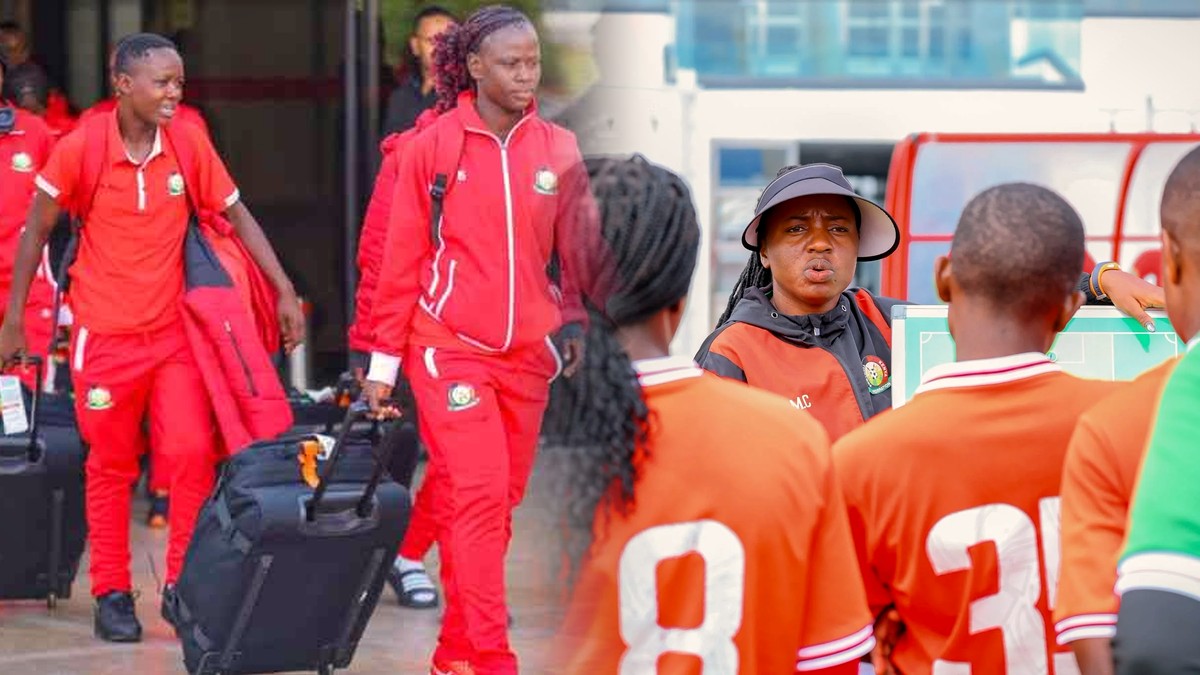
Junior Starlets open World Cup campaign against China as Kenya chases first knockout berth

Ngetich and Mutiso smash course records as Kenyans rule Tokyo Legacy Half Marathon
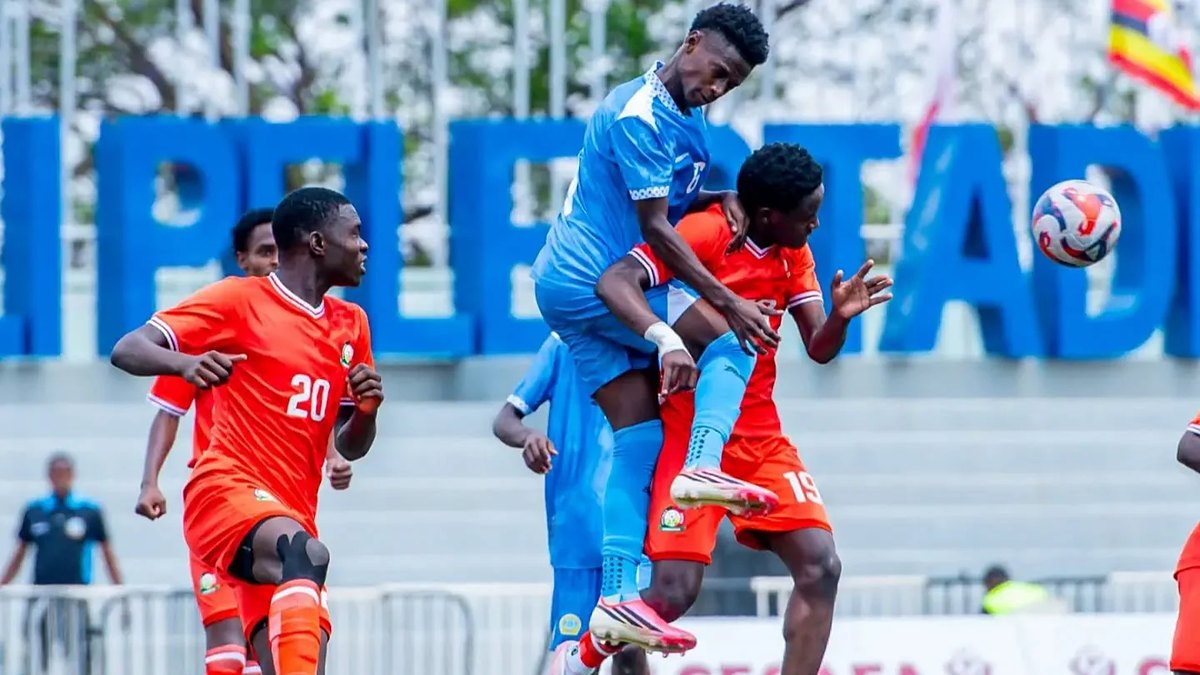
Somalia dump Junior Stars out of CECAFA U17 qualifiers with 2-0 win
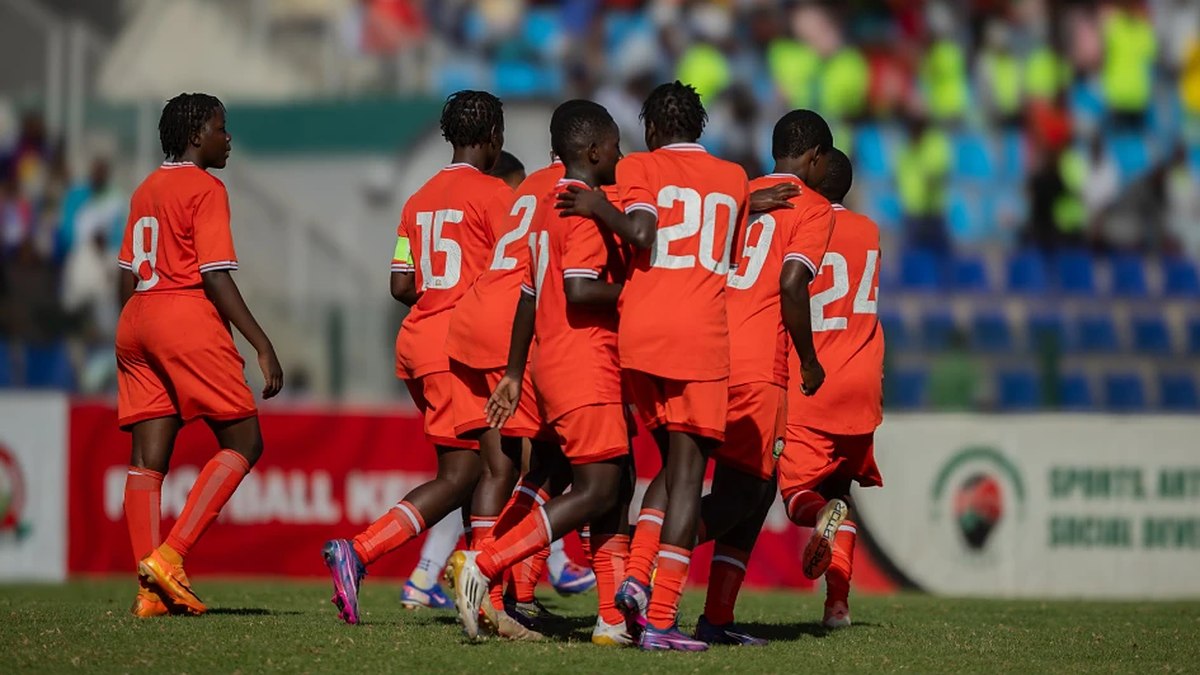
Cheche names 21-player Junior Starlets squad for U17 Women's World Cup
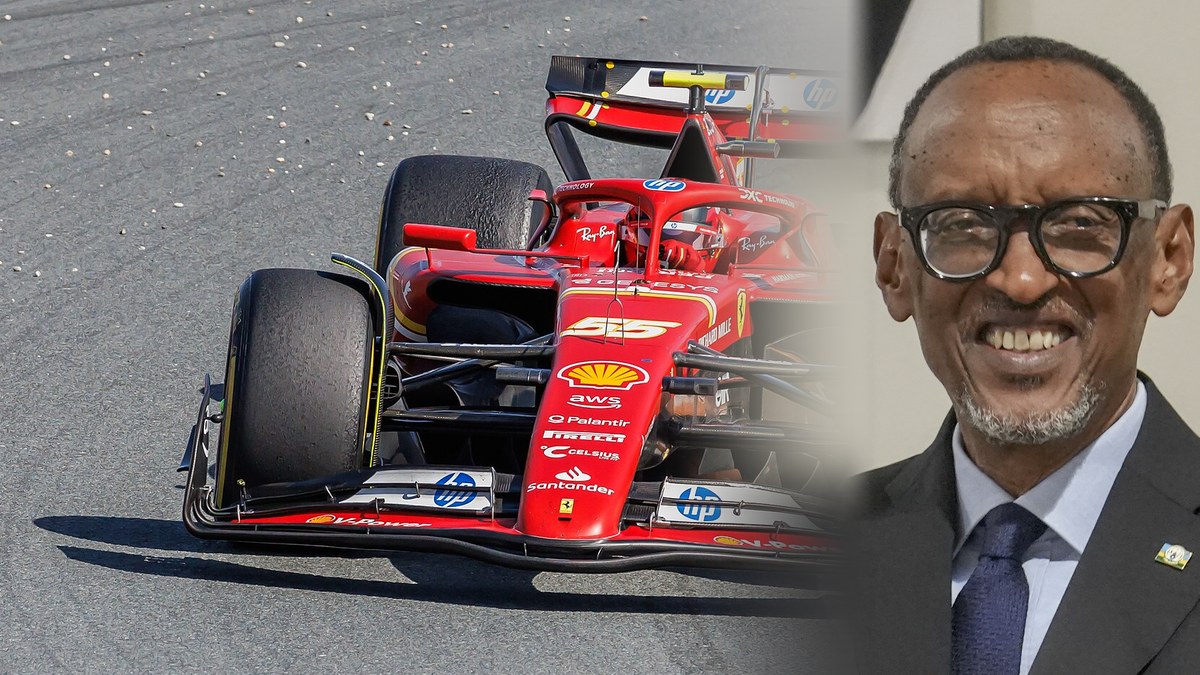
Rwanda signs 10-year deal to bring Formula 1 back to Africa
Global Community Remarks
0