
Nigeria's reserves rebound to US$46 billion: lessons for Kenya

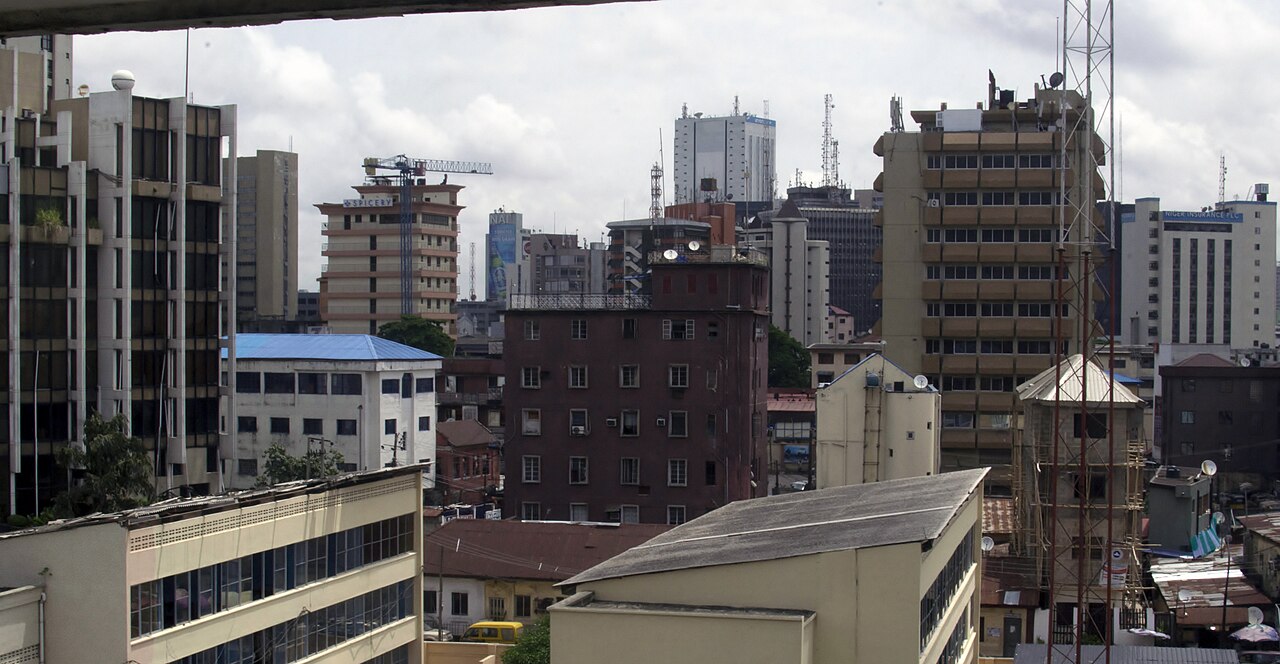
Nigeria has rebuilt its net foreign reserves to about US$46 billion, from below US$1 billion at their lowest point, according to Central Bank of Nigeria Governor Olayemi Cardoso. Analysts say Africa's largest economy offers lessons for Kenya and other countries trying to regain investor confidence.
What Nigeria did
Speaking at the Nigeria-Asia Financial Connectivity Dialogue in Singapore, Cardoso said: "The gains reflect reforms aimed at restoring stability after years of foreign exchange shortages."
The reforms included:
- tighter monetary policy to bring inflation down
- changes to the foreign exchange market so the currency could trade more freely
- a recapitalisation of commercial banks, about 72% of which was funded from local sources
- an agreement between the central bank and the finance ministry to coordinate policy better
Inflation, which was above 30% in 2023, has fallen to about 15%.
On digital finance, Cardoso said Nigeria aims to protect consumers without killing innovation: "We don't go too far as to stifle innovation."
Lessons for Kenya
Kenya has had its own currency and debt pressures in recent years. Writing in The Star, Victor Amadala draws several lessons:
- Credibility pays: strong reserves, believable reforms and predictable policy rebuild investor trust.
- Working currency markets help everyone: when businesses can get dollars at a fair price, they can plan and invest.
- Use local savings: deeper local capital markets reduce reliance on expensive foreign borrowing.
- Balance in fintech rules: protect users without stifling innovation.
- Regional scale matters: East Africa needs reliable institutions and cheaper cross-border trade to compete for investment.
The key point, the analysis argues, is not to copy Nigeria's reforms wholesale, but to build strong institutions and buffers, and to keep policy consistent.
A word of caution
Nigeria's reforms came with real pain, including a sharp fall in the naira and a cost-of-living crisis. Any lessons for Kenya must weigh how to protect ordinary households while repairing the economy.



Know what people say about you.
Media monitoring, audience insights and strategic communication for your brand.


More in Business
See all
Kirima's widow warns Kenyans against buying plots on disputed 1,000-acre Njiru land

Kenya woos foreign building materials makers to set up factories and boost affordable housing
Bankers push for PAYE cut for all workers as Ruto targets low earners
Second shipment of heavy machinery for Dangote refinery docks at Lamu port

UK government arm takes Sh1.94bn stake in Quickmart IPO
Six oil tankers among 51 ships expected at Mombasa and Lamu ports by end of October
Global Community Remarks
0