
Oil above US$100: what rising crude prices mean for Kenya's pump prices

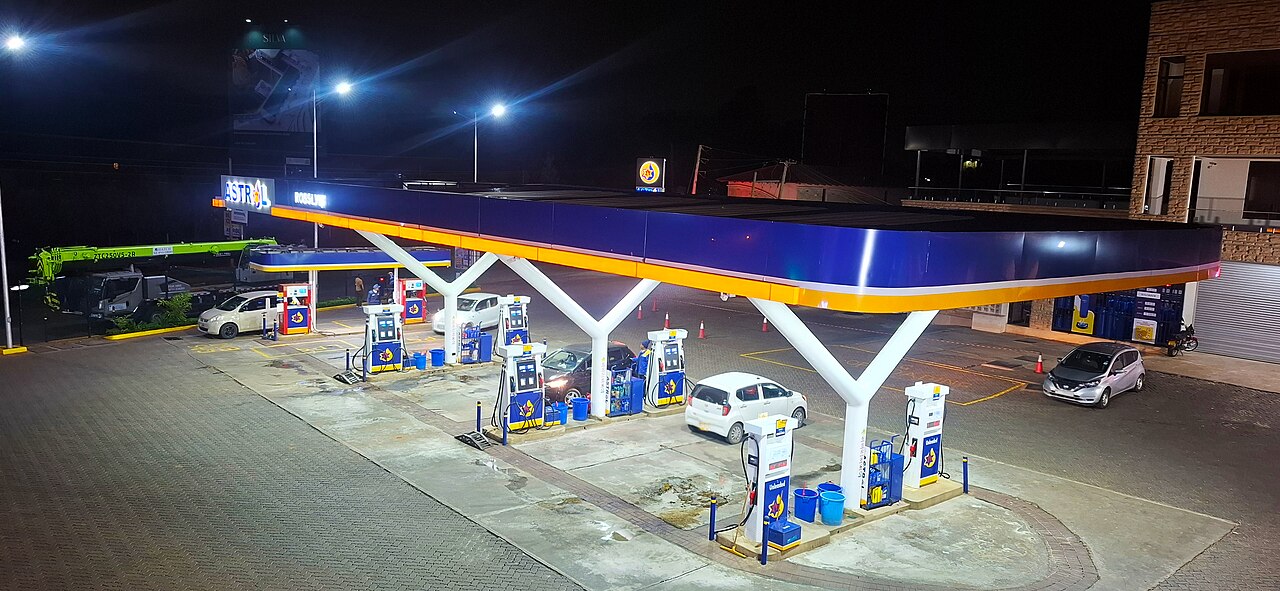
Global oil prices are back above US$100 a barrel, raising fears of higher fuel costs in Kenya when the energy regulator announces its next monthly prices this week.
Where prices are
Brent crude, the international benchmark, traded at US$103.41 a barrel on Friday, October 9, according to data platform Databoks. That is up from US$98.26 on October 1. The BBC notes that Brent was around US$73 before the war involving Iran began in February, a conflict that has disrupted oil shipping and driven up energy costs worldwide.
Kenya's current pump prices
The Energy and Petroleum Regulatory Authority (EPRA) kept prices unchanged for the cycle running from September 15 to October 14. In Nairobi:
- Super petrol: KES 214.03 per litre
- Diesel: KES 217.86 per litre
- Kerosene: KES 191.38 per litre
Mombasa prices are slightly lower. EPRA's next review is due by October 14.
Why it affects you
Kenya imports all of its refined fuel, so global prices feed straight into local costs. EPRA bases each month's prices on what importers paid for cargoes in the previous weeks, plus taxes, levies and the exchange rate. When crude and refined product prices rise, the government either passes the cost on or uses stabilisation tools to cushion consumers, which costs public money.
Higher fuel prices then spread through the economy:
- matatu and transport fares go up
- farmers pay more to move produce, pushing food prices higher
- manufacturers and businesses face higher costs
- overall inflation rises, putting pressure on interest rates
What could change the picture
Two developments this weekend could ease the pressure: US President Donald Trump's announced energy ceasefire between Russia and Ukraine, and a US deal to release Russian diesel onto world markets. Analysts warn that the diesel volumes are small and that the Middle East conflict remains the main driver of prices.
All eyes are now on EPRA's announcement on October 14.

Tell your story on screen.
Commercials, documentaries, interviews and social video, from script to final cut.





More in Business
See all
Kirima's widow warns Kenyans against buying plots on disputed 1,000-acre Njiru land

Kenya woos foreign building materials makers to set up factories and boost affordable housing

Bankers push for PAYE cut for all workers as Ruto targets low earners
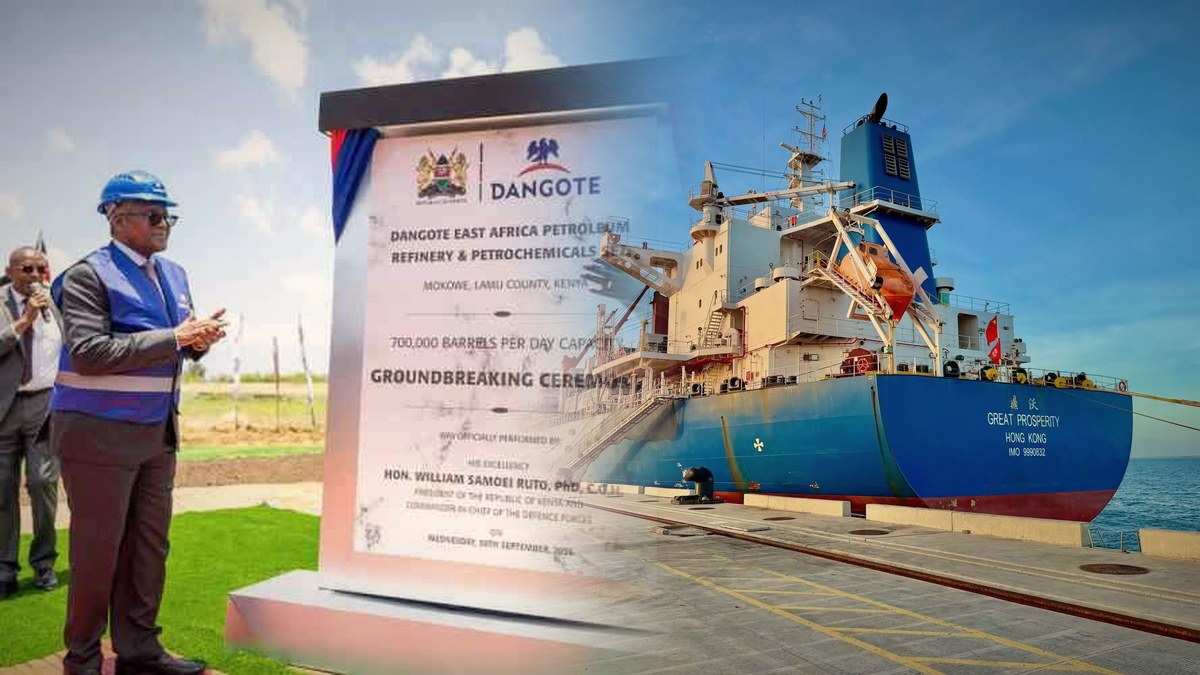
Second shipment of heavy machinery for Dangote refinery docks at Lamu port

UK government arm takes Sh1.94bn stake in Quickmart IPO
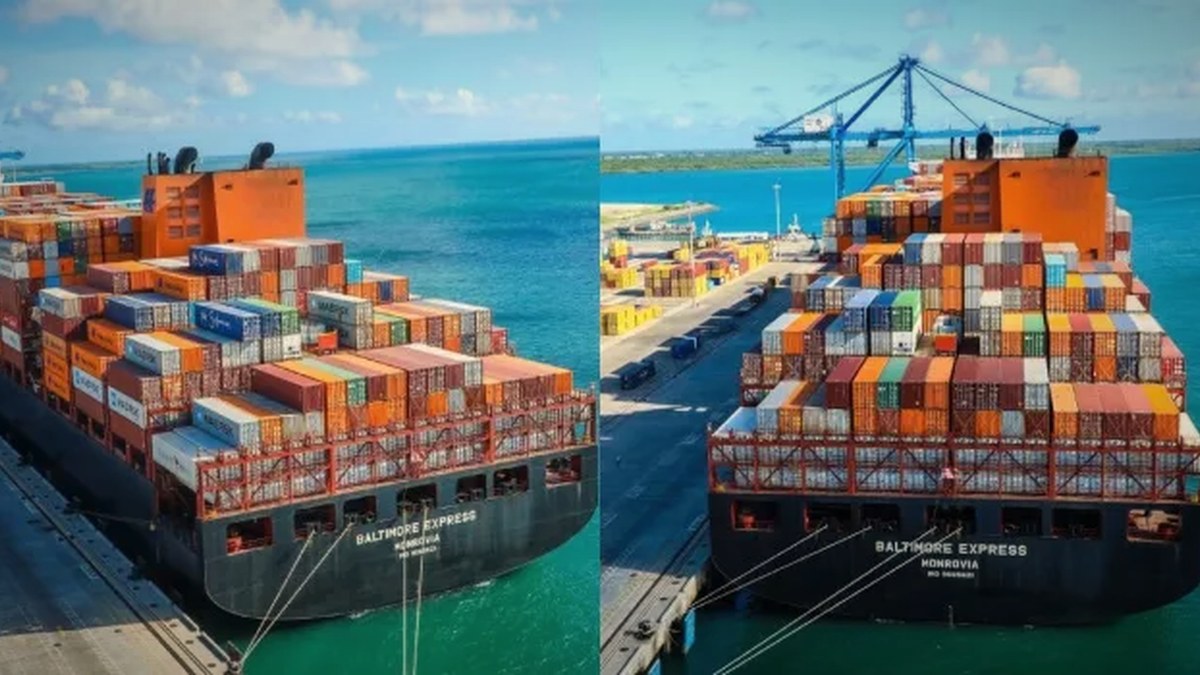
Six oil tankers among 51 ships expected at Mombasa and Lamu ports by end of October
Global Community Remarks
0